 Jack Russell
 training for a small dog with a big plan.
Fun, reward-based training for a fearless little terrier who was bred to dig, chase and never give up.
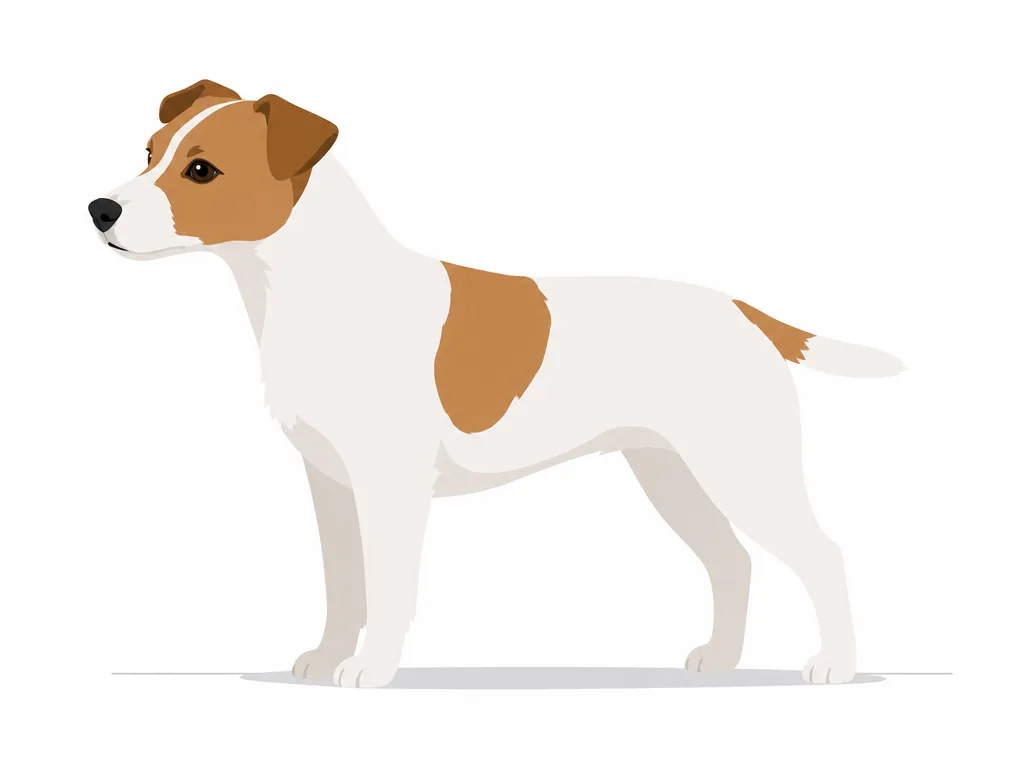
How a Jack Russell thinks
We write for Jack Russell owners who love their fearless little dog. Every guide uses rewards and games that suit a clever, determined terrier.
 FearlessTeach calm before chaos.
 Chase driveGive the chase a safe outlet.
 Big voiceReward quiet on purpose.
 Clever and stubbornMake training a game.
11 Jack Russell training topics
The problems Jack Russell owners ask about most, each with first steps you can try today.
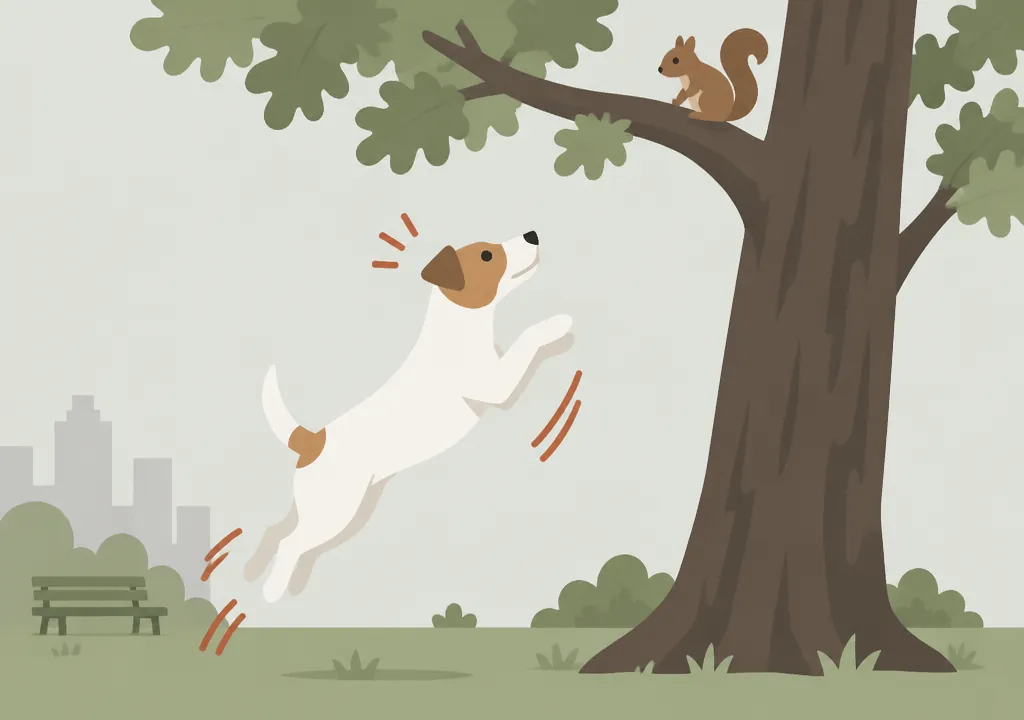 Chasing squirrels
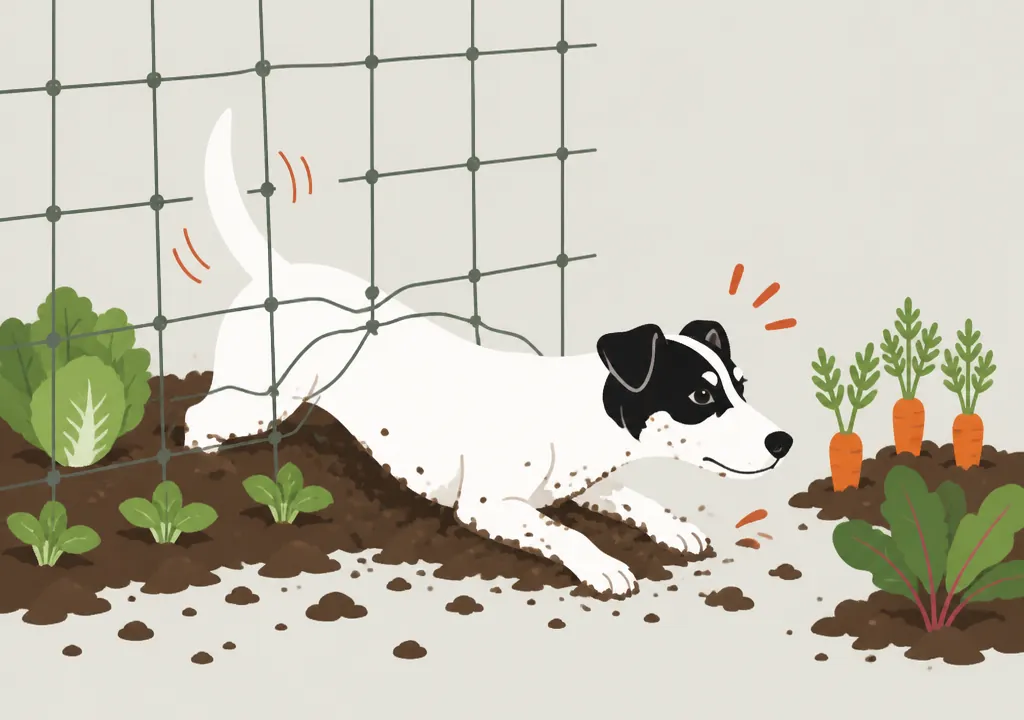 Digging and escaping
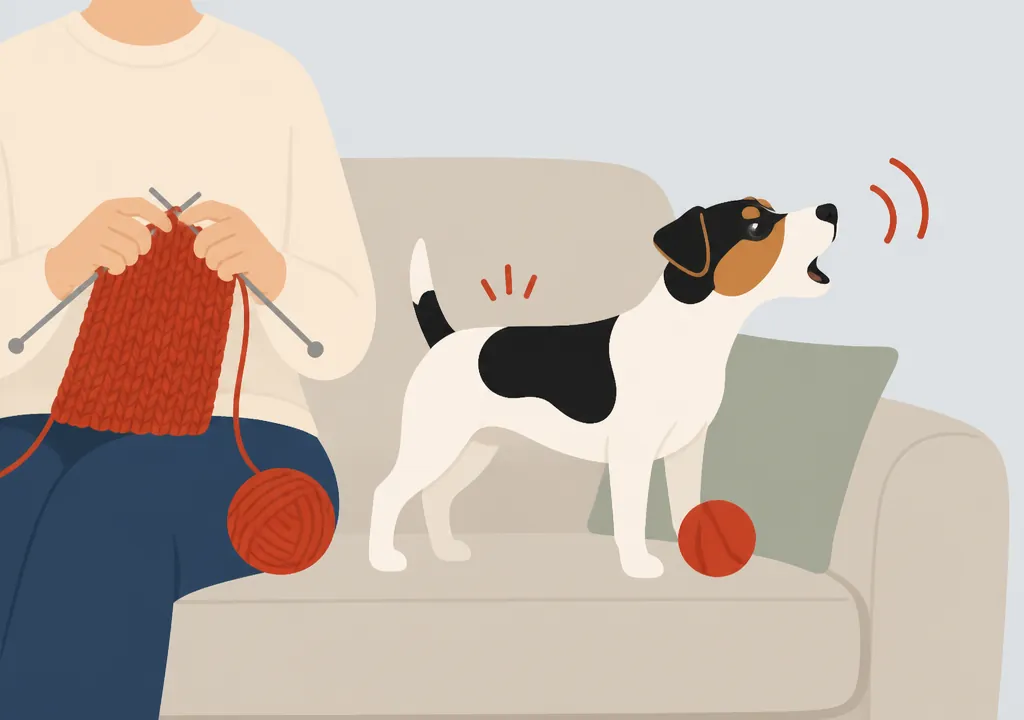 Barking for attention
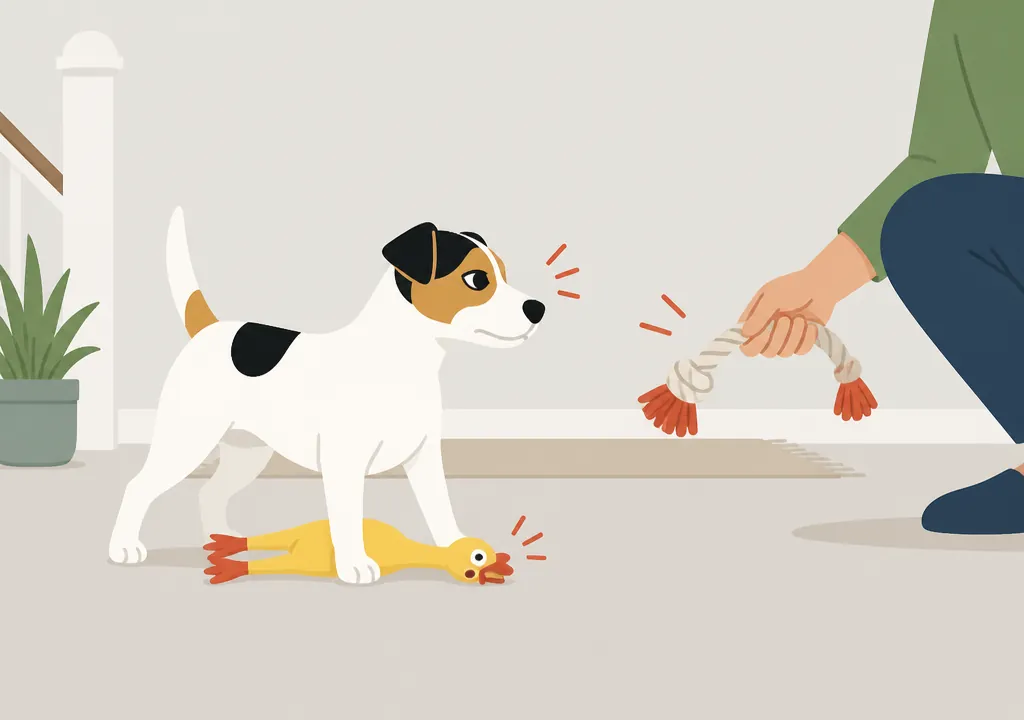 Guarding toys
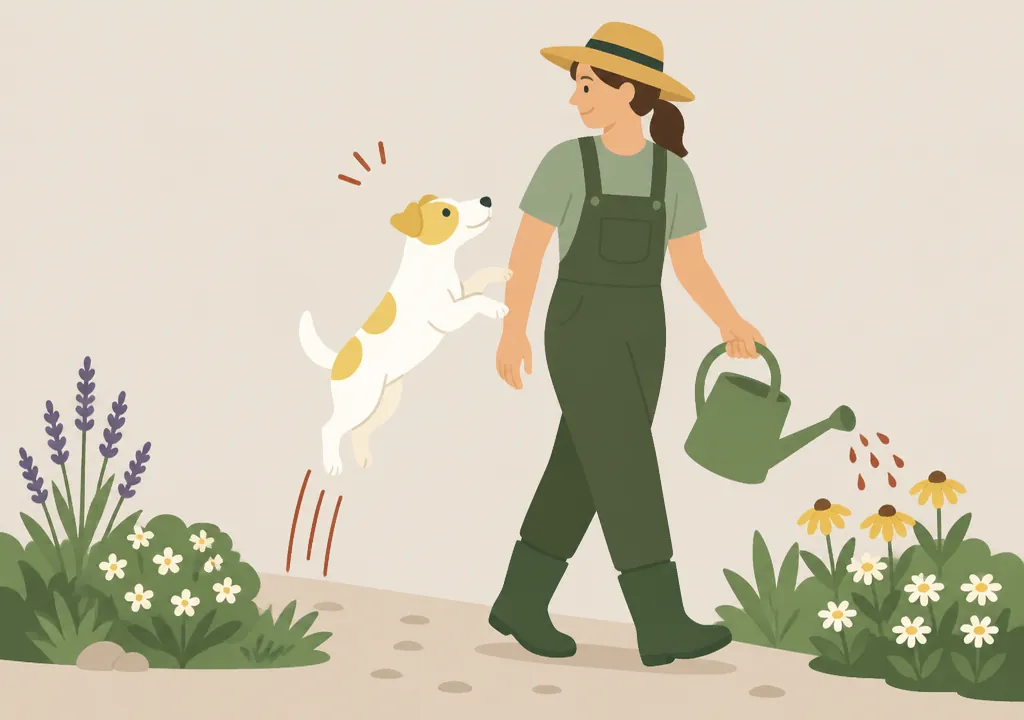 Jumping up
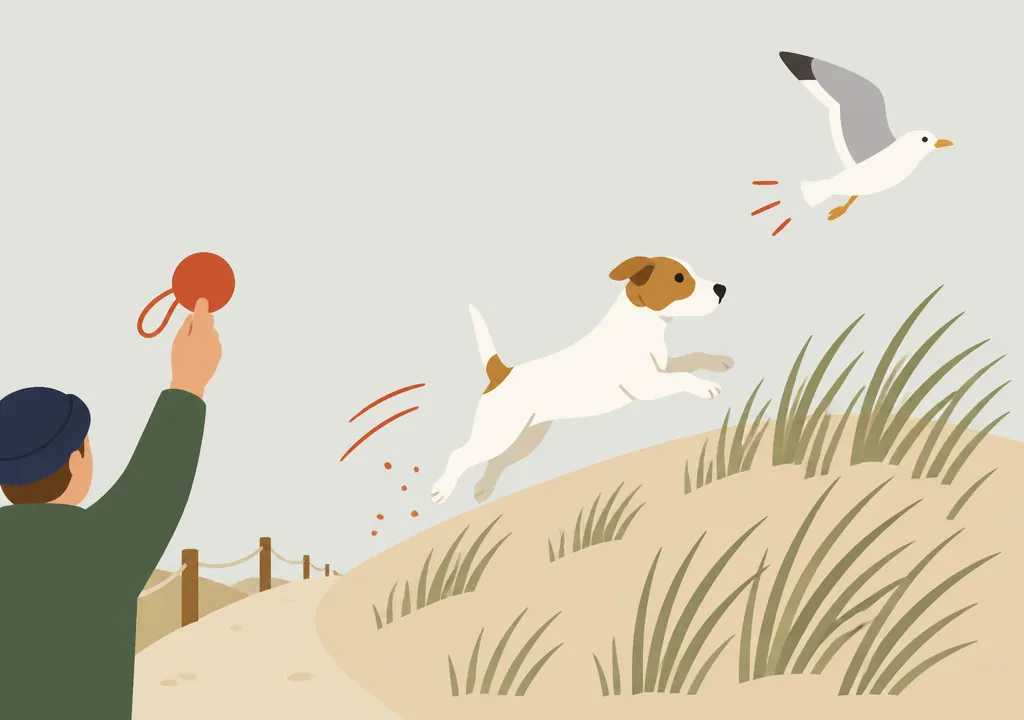 Running off
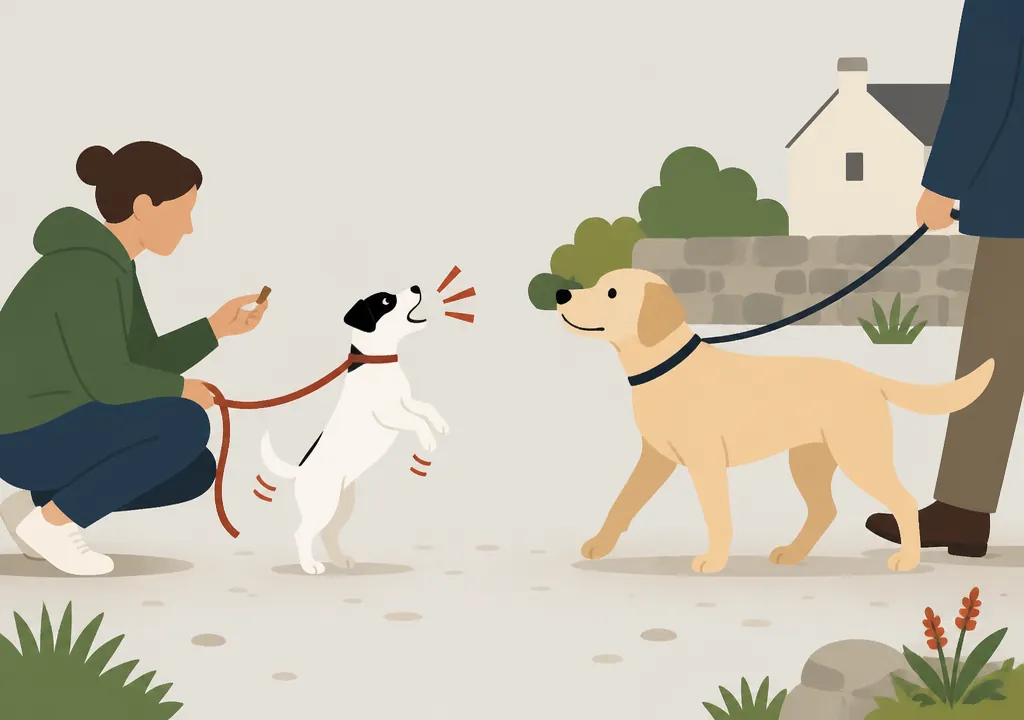 Bossy with other dogs
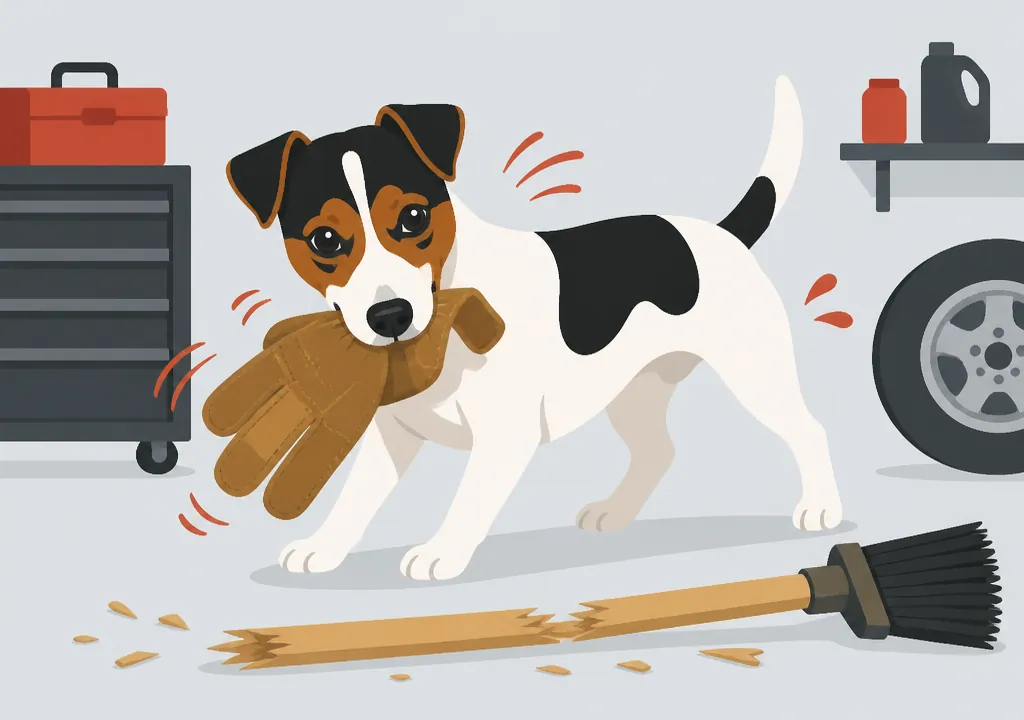 Destructive chewing
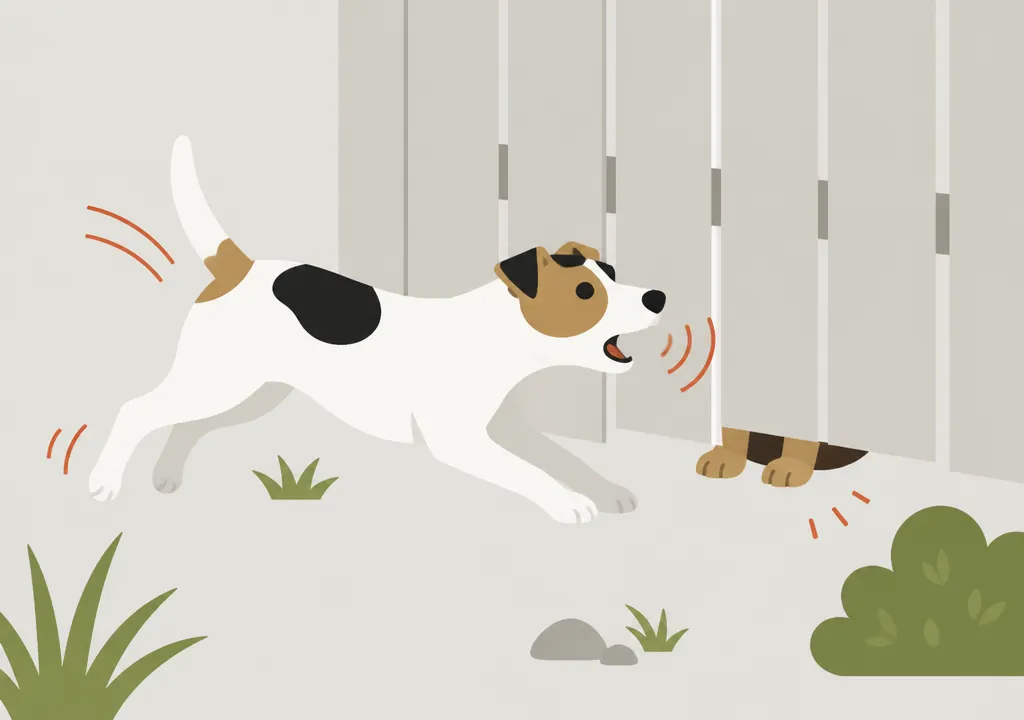 Barking at the fence
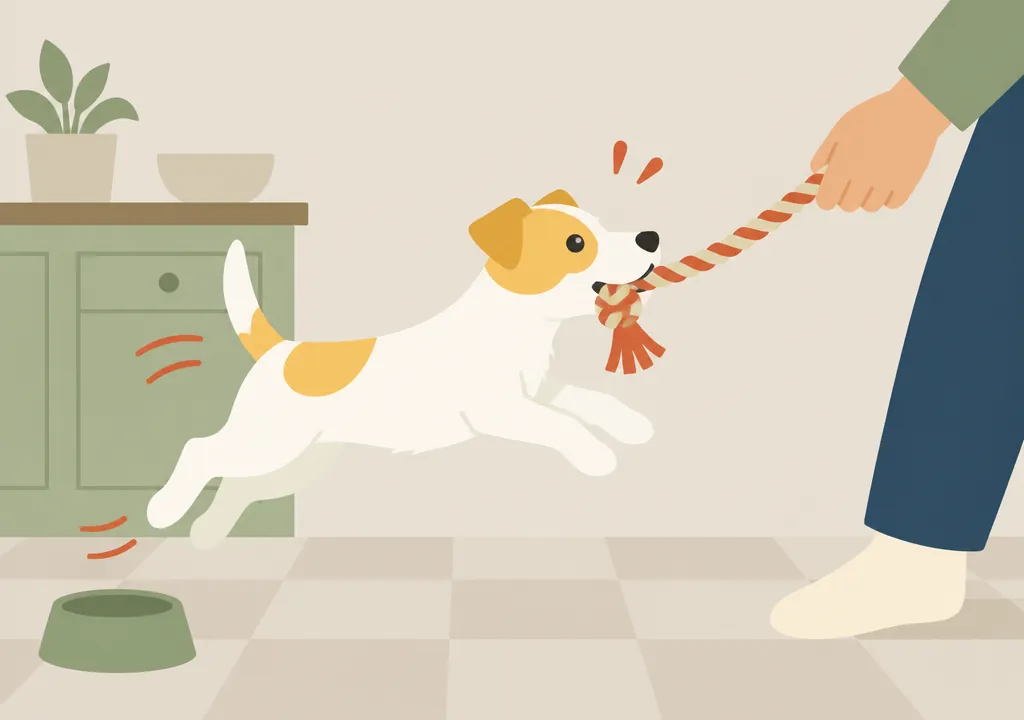 Puppy biting
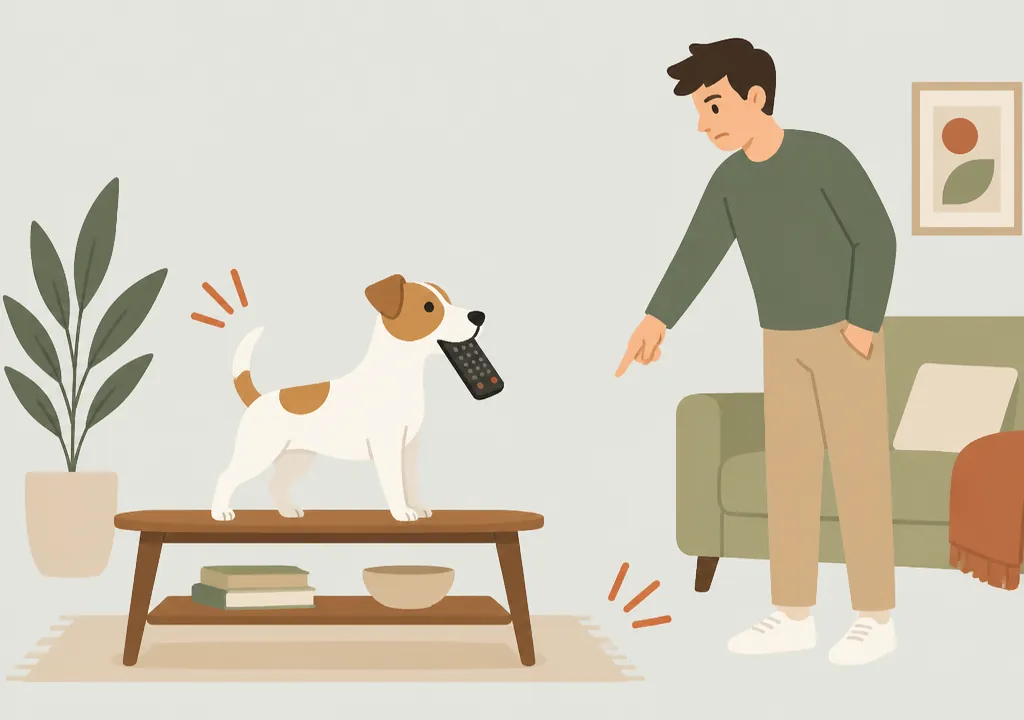 The teenage months
Jack Russell Terrier training guide
A terrier built to decide for themselves, so training has to be more fun than the alternative.
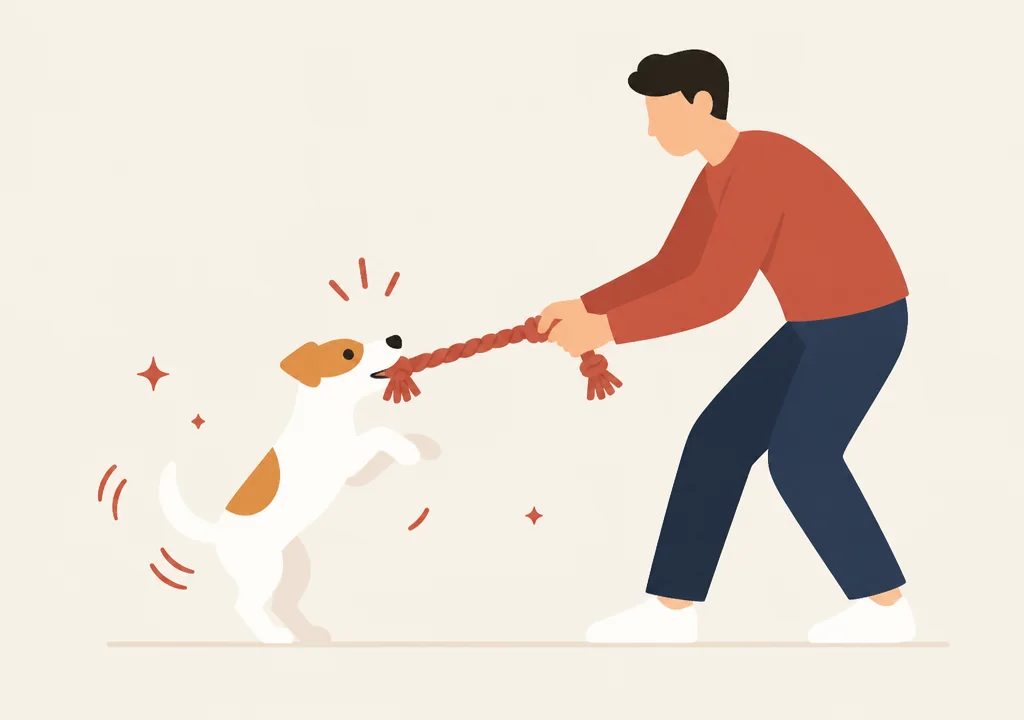
Make it a game
A Jack Russell was bred to work alone and decide fast, so repetition reads as pointless. Short, lively sessions with a game at the end hold attention. Five minutes of fun teach more than twenty of drills.
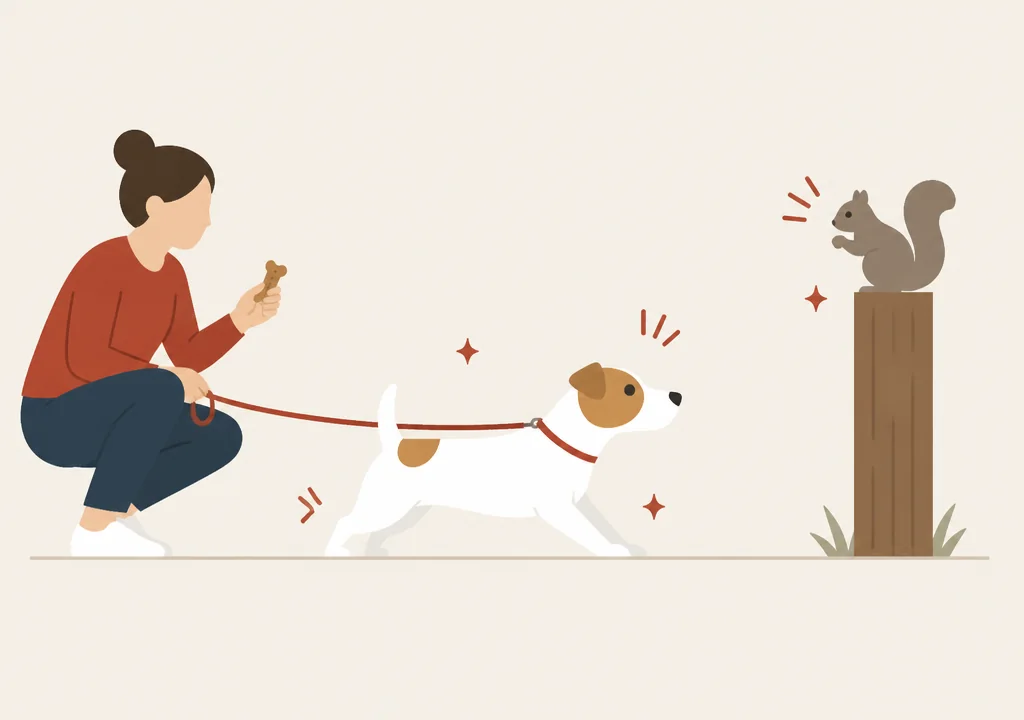
Chase comes first
Squirrels, cats and the gap under the fence compete with every cue you give. Recall and leave it are taught indoors first and paid generously, because outside the chase is its own reward.
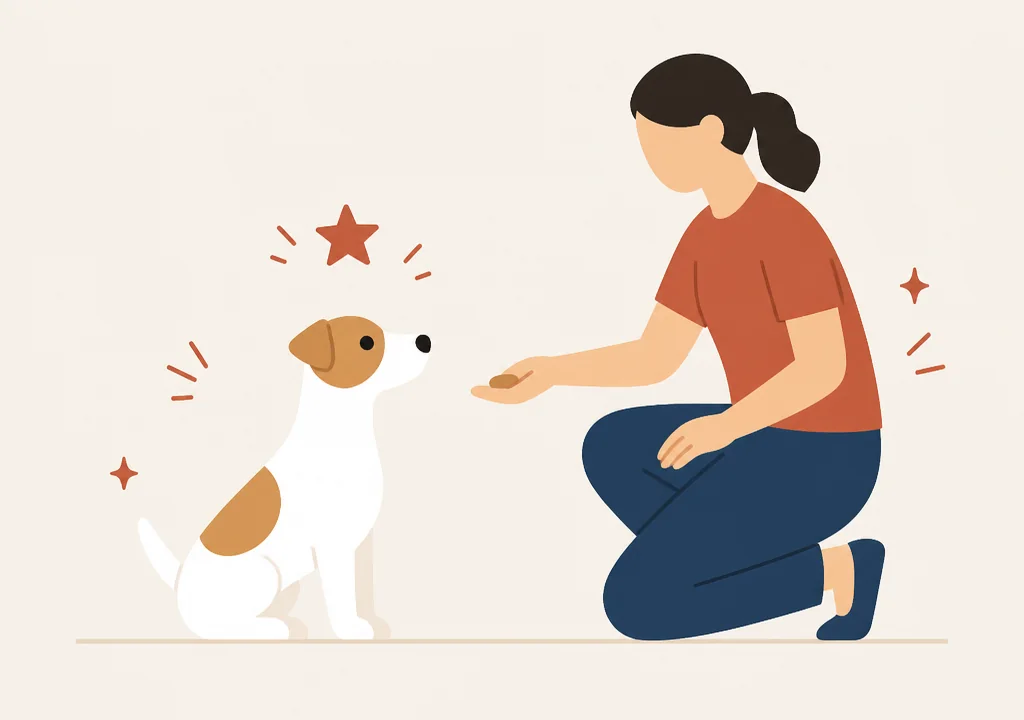
Fearless, not obedient
Fearless is not the same as obedient. A confident terrier needs clear rules from the first week, taught with rewards rather than force, since pressure turns boldness into defiance.
Everyday goals
Where many young Jack Russells start, and where steady practice gets you.
Before
- Digs up the garden
- Chases every squirrel
- Barks at the fence
- Guards its toys
After
- Digs in its own spot
- Comes back mid chase
- Barks once, then plays
- Trades toys happily
Advice for every age
Most of what we teach works at any age. If you want extra help, pick a stage to see what often comes up then.
Puppy foundations
Gentle mouths, name games and a safe yard.
Terrier instinct
Digging, chasing and barking all switch on.
The teenage months
Selective hearing and big opinions.
The grown terrier
A busy, happy adult with good manners.
Small dog, big wins.
Pick one small win this week and stack the next one on top.