 Jack Russell
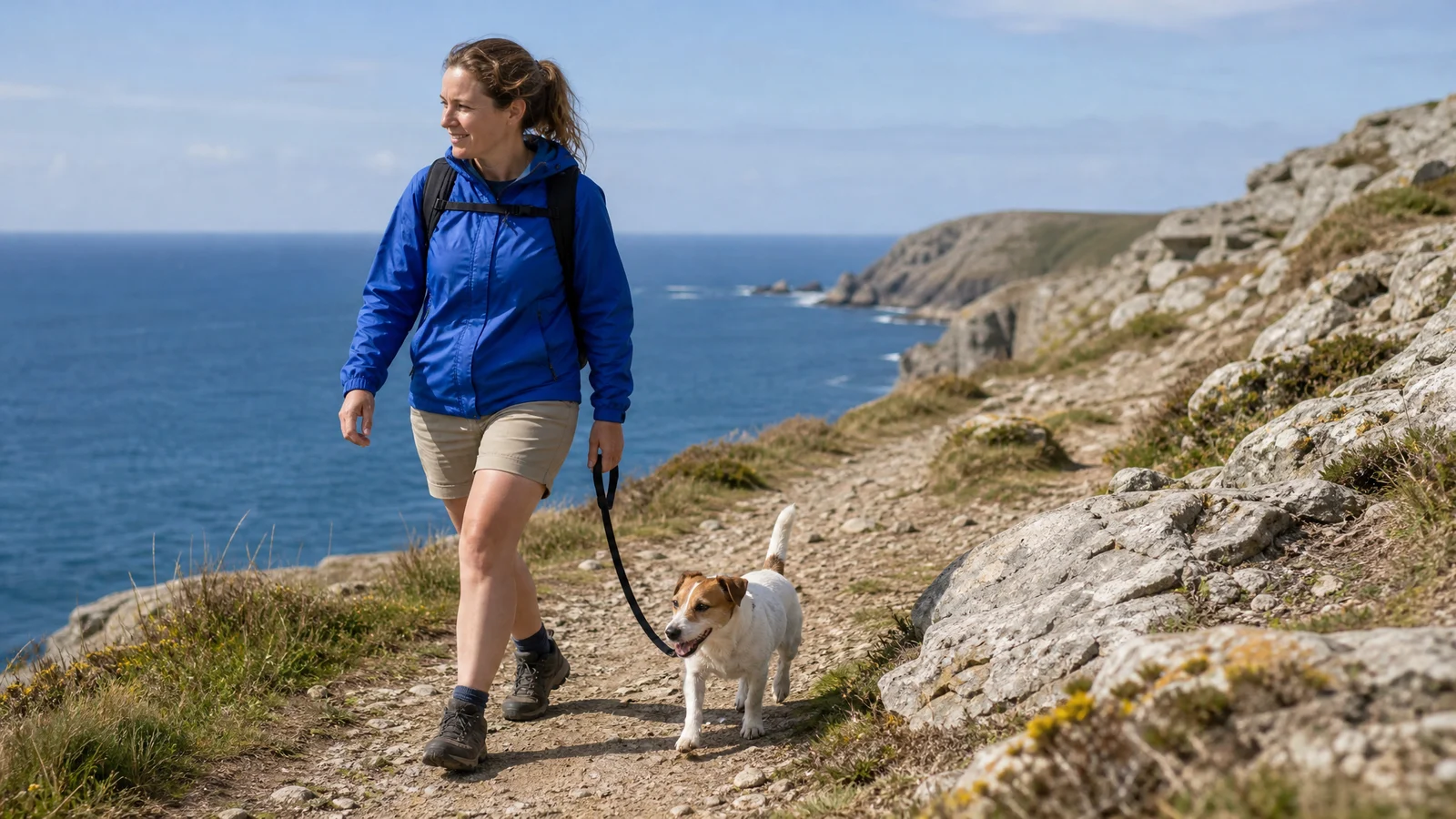
Physical eagerness can appear long before a Jack Russell Terrier is ready for a trail. Hiking also asks the dog to pass people, respond around movement, handle changing surfaces and return attention through an entire out-and-back route. Enthusiasm answers only one part of that readiness question.
Use checkpoints instead of treating the trail as one continuous test. At each stop, read connection, comfort and recovery before deciding what comes next. This guide begins with home rehearsals, equipment and the trailhead, then covers recall practice and the return. A successful hike keeps thoughtful choices available. We recommend preparing them on ordinary routes before asking for them in a new trail setting.
Hiking Readiness and Recall at Home
Before choosing a destination, confirm that the dog can perform a few useful behaviors in familiar places. Name response, a hand target, a comfortable U-turn and recall on a long line give you ways to communicate. Practice them where success is likely before adding trail distractions.
The related Parson Russell Terrier standard describes a tireless, ground-covering trot on the PRTAA breed page. That physical context can explain eagerness for sustained movement, but it does not prove one dog is ready. Training, health and recovery still decide the plan.
Readiness also includes handling. The dog should be comfortable with you checking paws, adjusting equipment and offering water. Pair each touch with food and stop if the dog pulls away. Cooperative handling makes an ordinary trail check understandable instead of turning it into a struggle.
Build the Recall Reflex in Easy Places
Best Friends recall guidance treats “come” as an important safety cue that deserves deliberate practice. Begin a few steps away in a quiet room. Say the cue once, move away invitingly and reward the dog close to your body when they arrive.
Release the dog after many repetitions so recall does not always end access to enjoyable activity. Move to a secure outdoor area only when the indoor response is easy. A long line can provide safety while distance and distraction increase gradually.
Test a Practice Loop Near Home
Use a familiar short route as a complete rehearsal. Include the car or doorway routine, several check-ins, water, a pause and the return home. The point is to observe transitions, not to prove how far the dog can go.
Notice whether the Jack Russell Terrier can settle after the loop. A dog who remains frantic, cannot take food or shows discomfort needs an easier rehearsal. Adjust the route, pace or environment before planning a more complex outing.
Equipment and Recall Rules for Hiking
Choose well-fitted walking equipment that the dog already wears comfortably. Check for rubbing before leaving and again during the outing. Keep identification current, carry water for the dog and person, and bring rewards the dog values in a distracting place.
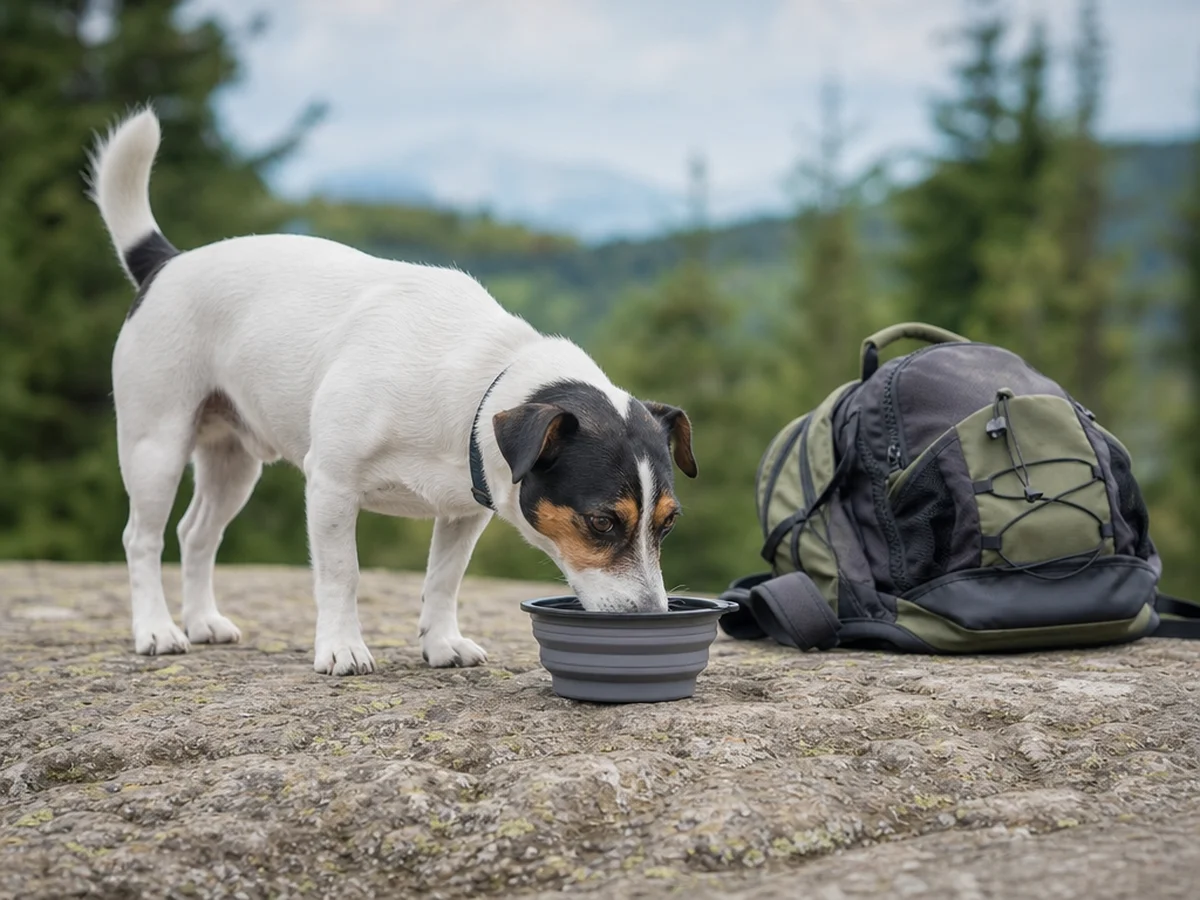
Read the destination's current dog rules before traveling. Leash requirements, closures and access can change, so follow the current instructions at the trail. Secure leash use protects the dog and gives other visitors a predictable amount of space.
- Pack water and a practical way for the dog to drink.
- Bring high-value recall rewards in an easy-to-reach pouch.
- Carry cleanup supplies and remove waste as the location requires.
- Include basic first-aid supplies appropriate to the planned outing.
- Use a charged phone and share the route when conditions warrant it.
Equipment supports training but does not replace it. A secure line prevents a mistake from becoming an emergency, while rewarded cues teach the dog how to move with you. Use comfortable equipment that lets rewards and clear movement cues do the teaching.
Rehearse every item before the trip. Let the dog wear the equipment on familiar walks, drink from the travel container and pause while you inspect a paw. A trail should not be the first place any of those sensations or handling steps appear.
Check the fit after the dog has moved, because straps can shift. Keep the line organized so it does not wrap around legs or catch on obstacles. Stop in a roomy place to make adjustments instead of trying to fix equipment while both of you continue walking.
Jack Russell Terrier Recall at the Trailhead
The trailhead often combines doors, vehicles, people and exciting smells. Pause before unloading and watch the surroundings. If the area is crowded, wait for space or choose another starting point rather than asking the dog to squeeze through a difficult scene.
Begin with the leash secured before the dog exits. Reward four paws on the ground, then walk a small loop away from the main entrance. Let the dog sniff and orient before asking for a familiar cue.
| Trailhead signal | Your response | Next decision |
|---|---|---|
| Takes food and checks in | Reward and allow sniffing | Begin the easy route |
| Pulls but can turn back | Add distance and reset | Start only after recovery |
| Fixates and ignores food | Leave the busy area | Choose a quieter plan |
| Shows discomfort | Stop and inspect calmly | Return or seek guidance |
Do not use the first stretch to wear the dog down. Early rushing can make the rest of the route harder. A thoughtful start lets you see whether today's environment matches the dog's current skills.
When people approach, move to a suitable side and reward the dog beside you. Give other visitors room and avoid greetings in narrow areas. Passing calmly is a complete trail skill, even when the Jack Russell Terrier is social.
If a moving distraction captures attention, make an early change of direction and pay the dog for coming with you before tension develops. Begin again only after they can take food and notice you. Distance protects the recall cue from being used at a difficulty it cannot yet handle.
For days when the trailhead is too demanding, choose an easier form of Jack Russell Terrier exercise. Changing the plan is useful handling, not a failed hike. The goal is practice that the dog can absorb.
Jack Russell Terrier Recall on the Trail
Keep the dog secured according to trail rules and practice recall as a training exercise, not as a test of freedom. Wait for a moment when the dog is interested but still able to think. Give the cue once, move away and reward close to you.
Battersea recall advice recommends a reward the dog strongly values and does not receive all the time. Reserve an excellent option for recall practice. Payment should make returning worthwhile even when the surroundings are interesting.
After rewarding, release the dog to sniff again when it is safe. That sequence teaches that coming back does not automatically erase the environment. It also lets exploration reinforce the choice to reconnect.
When the first cue gets no response, resist repeating it more loudly. Shorten the distance, move away from the distraction and use an easier check-in. Rebuild the response where the dog can succeed, then decide whether the route remains suitable.
| Recall result | Ledger note | Adjustment |
|---|---|---|
| Immediate turn and return | Easy at this distance | Reward and release |
| Looks, then returns slowly | Environment is competing | Raise reward value |
| Cannot turn away | Difficulty is too high | Create distance now |
| Returns but rushes away | Close position needs value | Feed several rewards near you |
Recall is only one trail manner. Reward yielding space, pausing at narrow sections and turning with you. These small skills reduce the number of moments when the safety cue has to solve everything.
Use the line to preserve safety, not to pull the dog into position. Shorten it smoothly when space narrows and restore comfortable slack when the path opens. Rewarding the dog near you makes that temporary change easier to understand.
Practice recall only when the surroundings allow a clean repetition. Skip it during a difficult pass or when footing demands your attention. Protecting cue quality is more useful than meeting an arbitrary number of repetitions.
Recall Decisions Before Turning Around
The halfway point on a map may not be the right turnaround point for the dog. Weather, surface, traffic and excitement can increase the work of returning. Make the decision while the Jack Russell Terrier still moves comfortably and responds to familiar cues.
Check the dog's gait, paws, willingness to drink and ability to take a reward. Also check your remaining water, daylight and route conditions. A concern in any category is a reason to shorten the outing rather than wait for several concerns to collect.
On the return, do not assume the dog has finished learning. Fatigue can change leash behavior and responsiveness. Offer more space, choose easier cues and reward calm movement through the same areas that were exciting on the way out.
Pause before the final busy area and assess attention again. A few easy rewards and a drink can prepare the dog for the trailhead transition. Load into the vehicle or reenter the neighborhood only after the leash and surroundings are organized.
Stop the outing for uneven movement, persistent refusal, visible discomfort or an unusual inability to recover. Seek veterinary advice when signs are sudden or concerning. Regular vet visits also provide a place to discuss whether a planned activity fits the individual dog's health.
Record the Jack Russell Terrier Recall Recovery
The useful record begins after the route ends. Note whether the dog drank, settled, moved comfortably later and returned to ordinary household behavior. Recovery can reveal that an outing asked more than the distance alone suggested.
Keep the ledger descriptive. “Pulled near every passing dog, then rested normally” is more useful than rating the hike as good or bad. The next plan can preserve the comfortable distance while changing the social difficulty.
For the next outing, modify one feature. Choose a quieter start, repeat the same route, shorten the loop or improve recall rewards. Changing several things at once makes it harder to know which adjustment helped.
Use the Jack Russell apartment training routine to make the return home predictable when space is limited. Water, a simple indoor job and quiet recovery can close the outing. The hike should hand the dog back to normal life rather than ending at the front door.
Today, practice one recall on a secure line in the easiest outdoor place available. Reward generously, release the dog to sniff and end while the response is clean. That single rehearsal builds the connection a trail will later demand, without asking the Jack Russell Terrier to solve the whole hike at once.
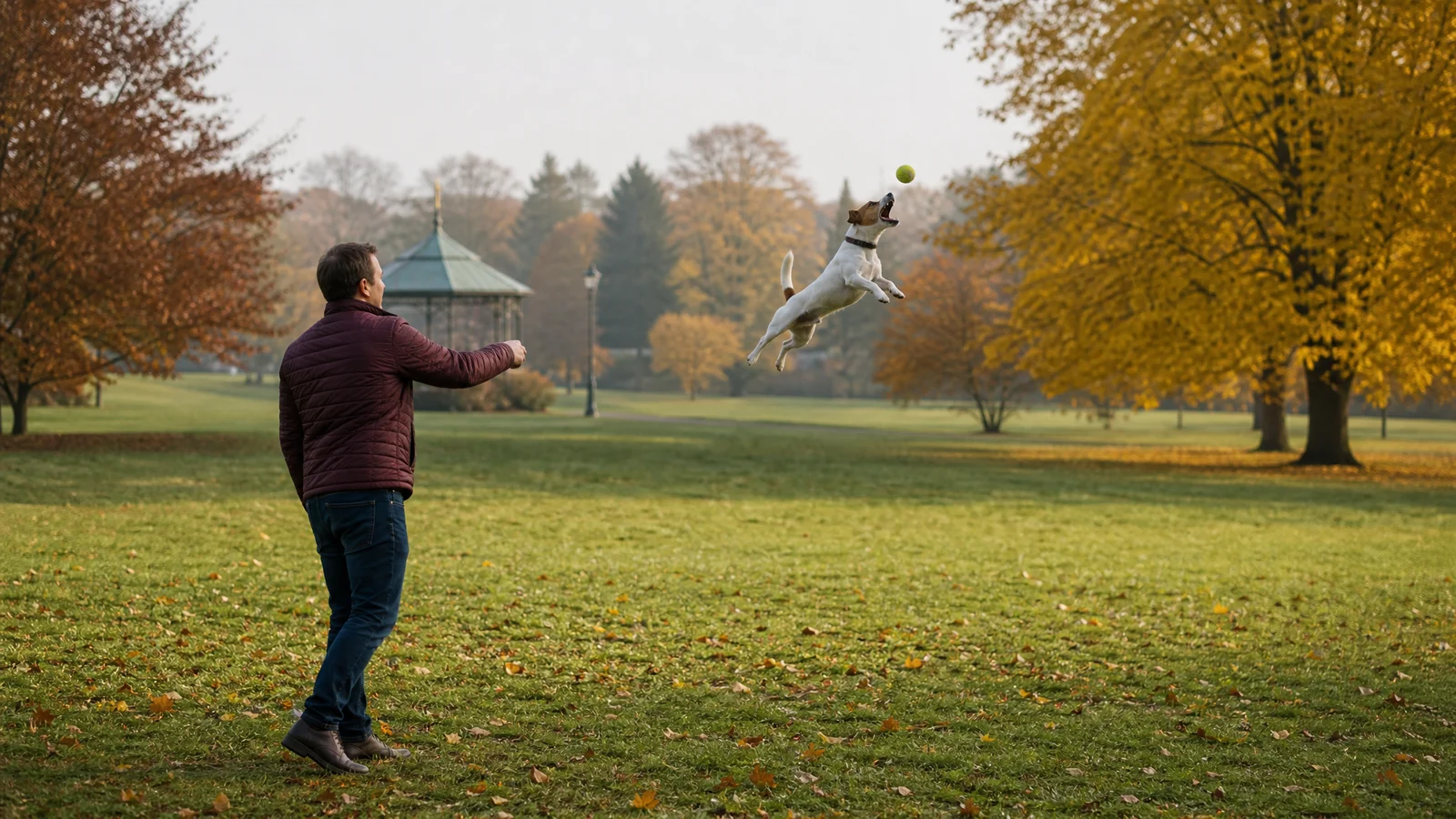 Exercise and jobsExercise and Brain Games for a Tireless Jack Russell Terrier
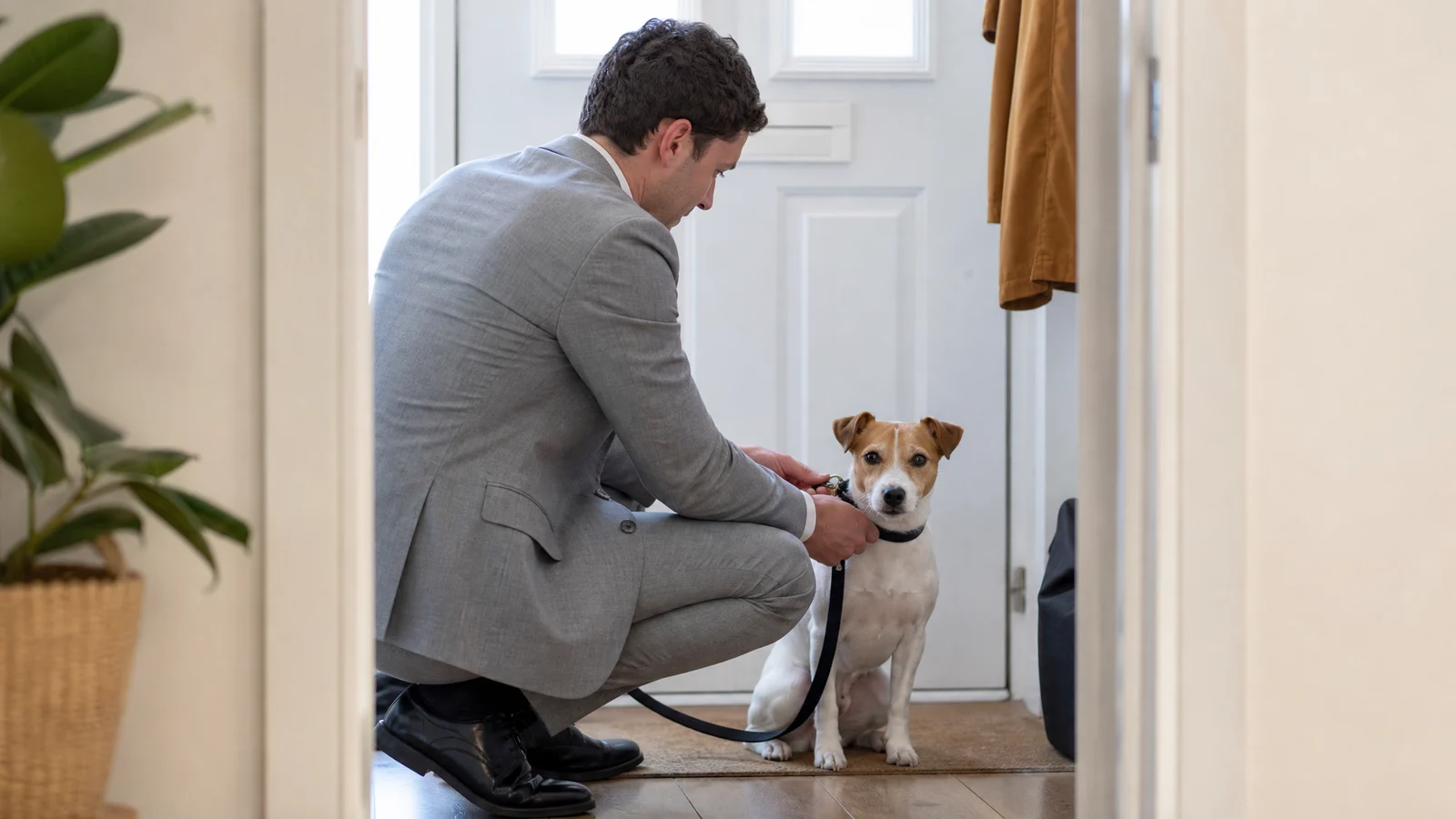 Exercise and jobsApartment Living With a Jack Russell Terrier: A Daily Routine
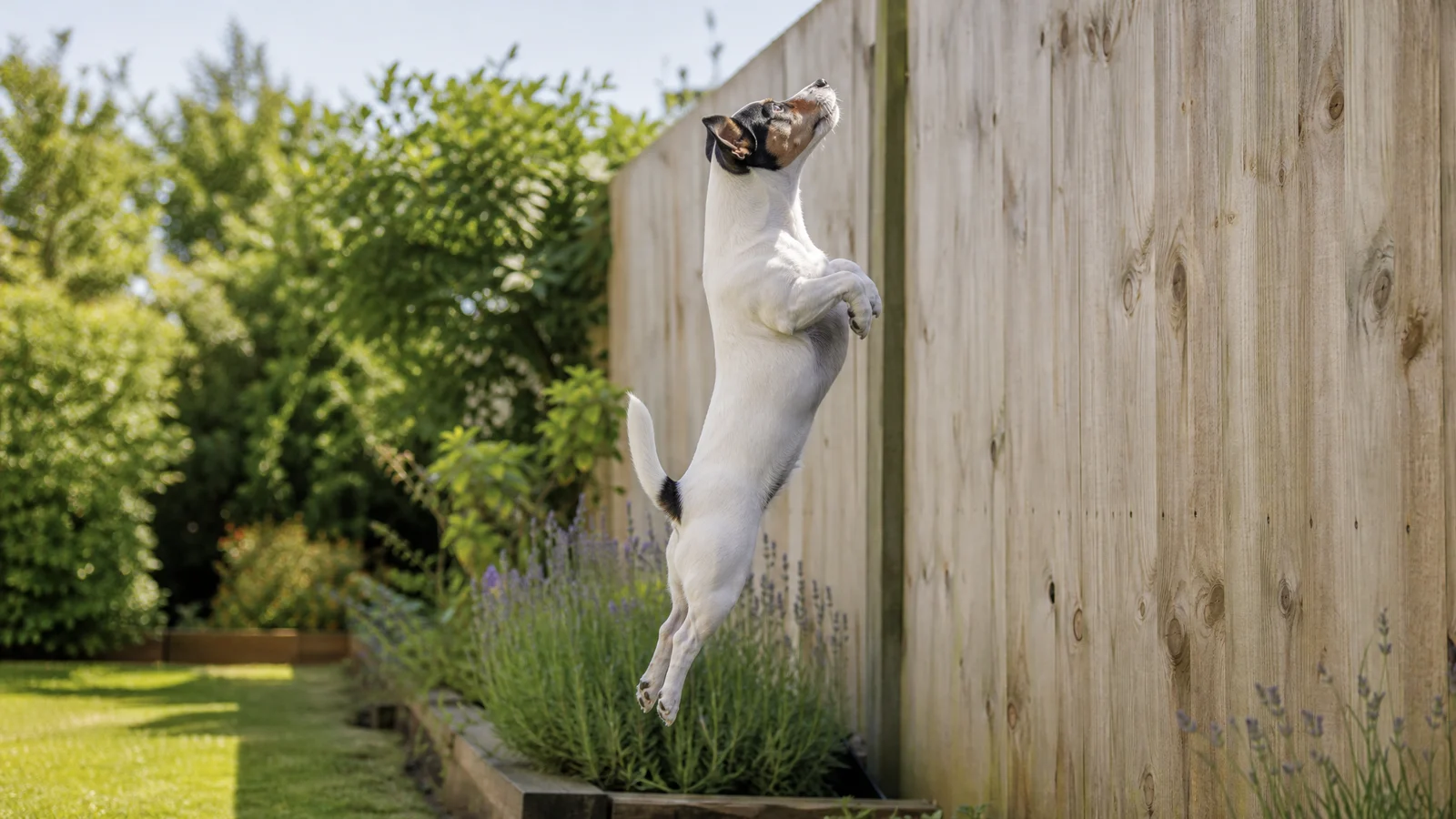 BehaviorJack Russell Terrier Jumping High: Fences and Counters