 Jack Russell
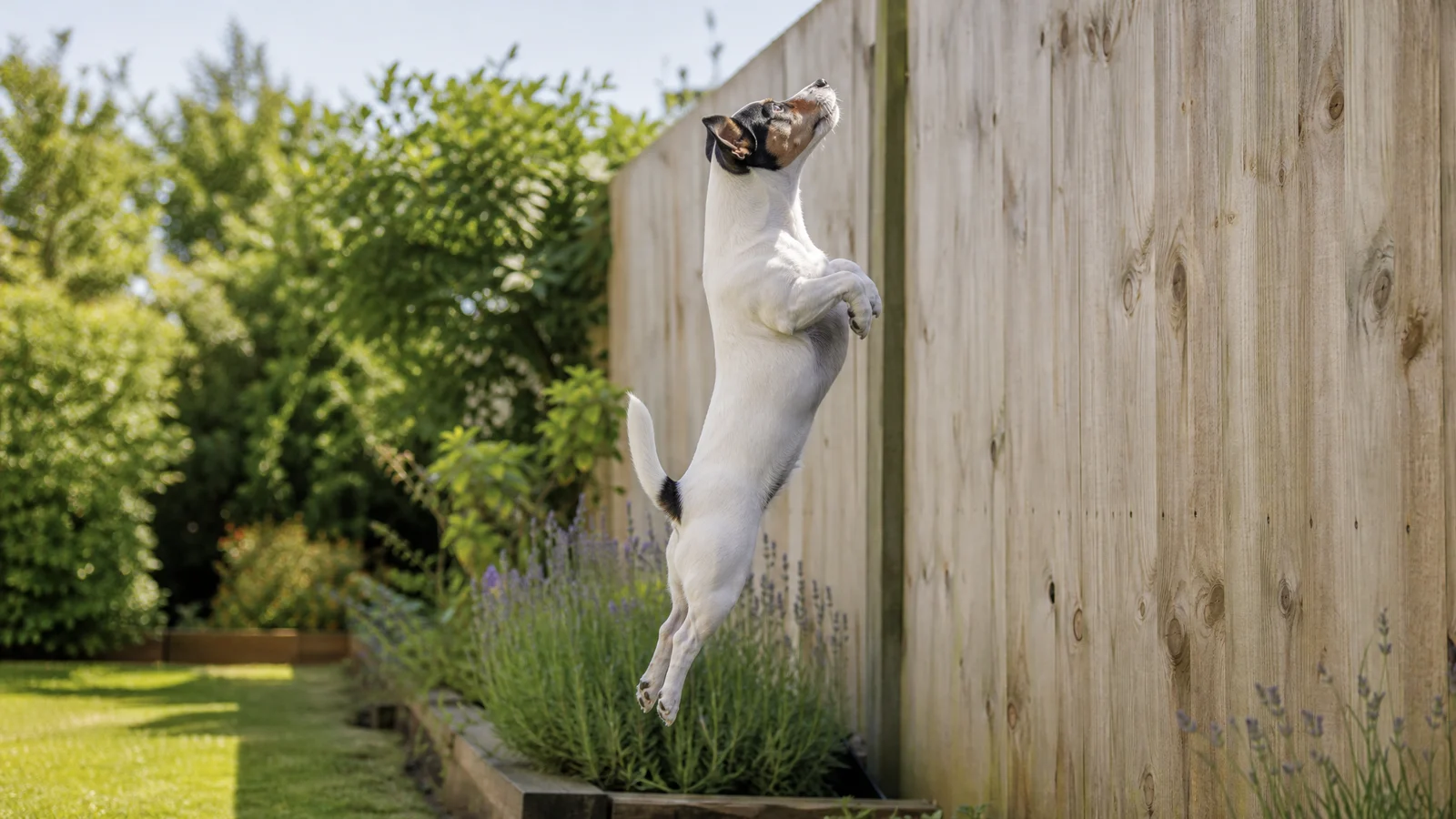
A Jack Russell Terrier springs toward a visitor, puts paws on the counter, launches at the door and studies the yard boundary. These moments look different, but they can share one lesson: getting higher or closer makes attention, food or access appear. Household manners improve when those outcomes move to the floor.
This guide maps each location separately, then connects them with one reward-based rule. Four paws down, a mat, a hand target and a calm turn away become safe alternatives. The aim is not to improve height or jumping performance. It is to prevent access, reward useful choices and give the dog clear ways to participate without climbing, launching or colliding.
Map the Jack Russell Terrier Jumping Behavior
Start by recording where the behavior occurs and what follows it. A visitor may touch the dog, a counter may offer food and a door may open. The consequence explains which management change matters before training begins.
The JRTCA breed overview describes varied performance abilities within its standard. That context helps explain why purposeful activity may appeal, but it is not a reason to rehearse household height. We recommend building manners around safe, grounded work.
Separate the Household Locations
List greetings, food areas, furniture, doors and outdoor boundaries as different stations. Do not assume a dog who keeps four paws down in the living room understands the same rule beside dinner. Each station has its own distractions and payoff.
Practice only one station at first. Put food away before kitchen work, ask a helper to wait during greetings or close an interior gate before opening the door. Prevention creates repetitions you can reward instead of leaving the dog to discover that jumping still works.
Choose the Replacement at Each Station
Use four paws down for brief greetings, a mat near food preparation and a hand target for moving away from doors. The replacement should be easy in that location. A complicated cue sequence will lose against an immediate household reward.
Mark the behavior at floor level and deliver the reward low. Food held high can pull the dog upward even when the intended lesson is calm. Placement makes the rule visible to the dog.
Greeting Behavior Problems With Four Paws Down
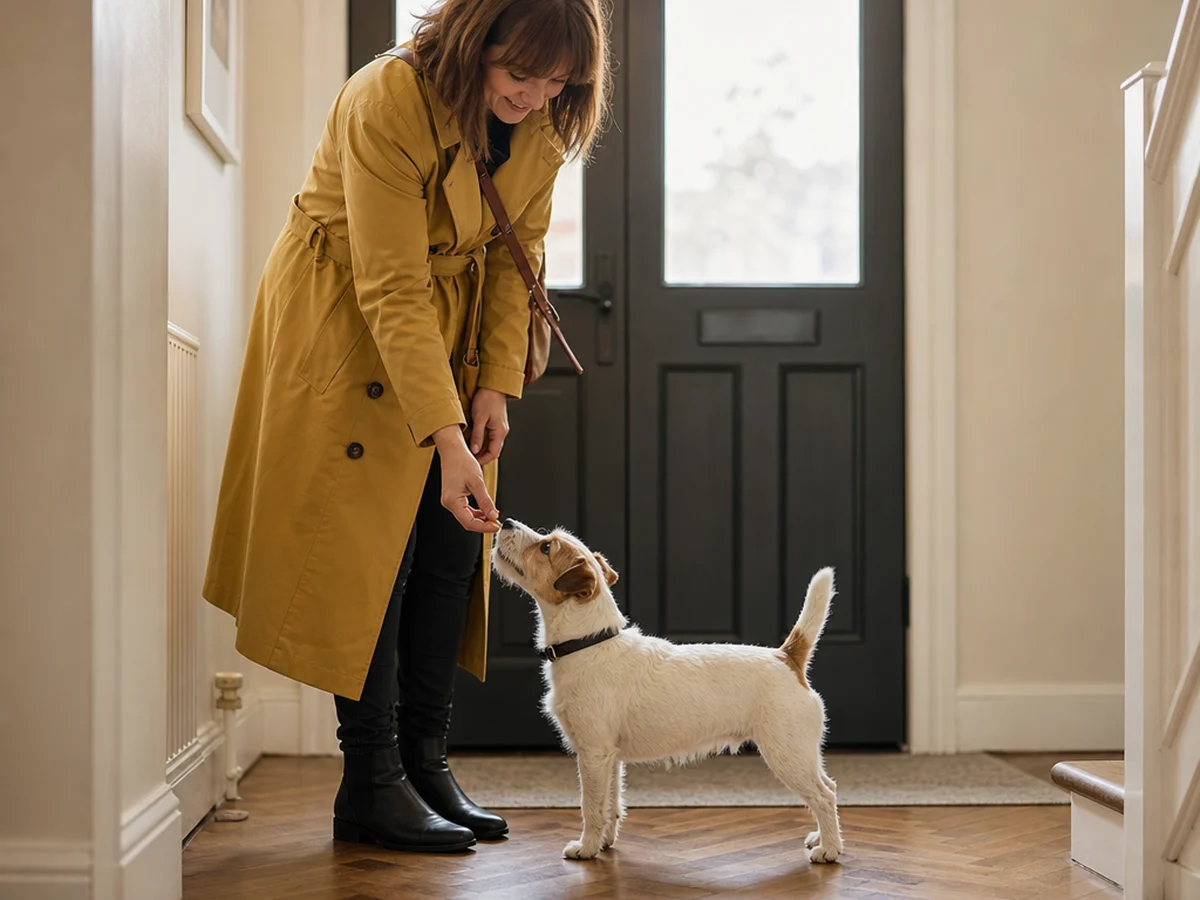
Greeting practice needs a person who can pause and follow the plan. The helper approaches only while the dog remains on the floor. If paws lift, the helper stops or steps away, then tries again after the dog resets.
Pay the First Grounded Choice
Begin before the person reaches touching distance. Mark a glance, a still moment or a turn back toward you, then reward low. Early payment prevents the dog from needing to jump before discovering what earns attention.
Best Friends guidance recommends food for polite greetings while the behavior is being learned, with praise sometimes replacing food later. Keep food frequent enough to maintain the skill. The visitor's attention can join the reward only while paws remain down.
Give Visitors One Simple Job
Ask visitors to keep hands still and wait for your release. They should not push the dog down, raise a knee or scold. Those reactions add contact and conflict without teaching where the paws belong.
End the greeting after a brief success and call the dog to a mat for another reward. A clean finish prevents excitement from rebuilding immediately. Several short greetings teach more than one long interaction that eventually falls apart.
- Start with one calm helper in a room the dog knows well.
- Reward before the helper reaches the dog's most exciting distance.
- Pause attention the moment paws leave the floor.
- Resume only after a grounded choice returns.
- Finish with a mat or hand target away from the visitor.
Counter Jumping and Kitchen Behavior Problems
Kitchen training begins by removing the reward from the counter edge. Store food, clear used dishes and block access when nobody can supervise. A dog who finds food occasionally receives a powerful reason to keep checking.
Decide where the dog should wait before preparation begins. Set the mat, rewards and barrier in place while the kitchen is quiet. This advance setup keeps training focused on the replacement behavior instead of reacting after food is already exposed.
Build a Useful Kitchen Mat
Place the mat outside the food preparation path. Mark an offered glance toward it, then pay for stepping onto it and settling down. Deliver several rewards between the dog's paws, then release before they decide to leave.
Gradually add quiet kitchen movements such as opening an empty cabinet or placing a plate on the counter. If the dog leaves the mat, make the scene easier. Do not wait for paws to reach the counter before responding.
Handle a Surprise Without Conflict
If the dog approaches food, calmly move the item and cue a familiar hand target away from the counter. Reward at floor level, then guide the dog to the mat. The reset teaches the available route without turning the kitchen into a confrontation.
When you cannot train, use a gate or closed door. Management is part of teaching because it prevents the unwanted behavior from being paid. Give the dog a familiar activity in another safe area rather than expecting them to watch food preparation without support.
Furniture and Doorway Behavior Problems
Furniture rules should be consistent enough for the dog to understand. If access is allowed by invitation, teach an up cue and a separate off cue with rewards. If access is not allowed, provide an appealing bed and prevent unsupervised rehearsal.
Teach Off as Movement Toward a Reward
Say the cue once, toss a reward onto a safe floor area and mark when the dog steps down. Follow with another reward on the bed or mat. Never drag the dog by the collar or turn the cue into a threat.
Practice when nothing valuable is on the furniture. Once the movement is easy, add ordinary distractions gradually. If the dog guards a resting place or object, pause the exercise and consult a reward-based professional instead of forcing removal.
Create Distance at the Door
Use an interior barrier while teaching so an open exterior door is never the only safety plan. Reward the dog several feet back, touch the handle and step away. Progress to opening the door a small amount only while the dog can remain connected.
Teach a cheerful turn-away cue for unexpected activity. Battersea behavior guidance describes a “this way” cue for moving away from a trigger. Practice the turn in quiet rooms, then use it to leave a busy doorway before jumping begins.
Jack Russell Terrier Fence Behavior Problems
Outdoor boundaries require prevention first because one successful escape can have serious consequences. Inspect the area, supervise access and keep the dog secured where local rules and safety require it. Do not rely on verbal recall as the only barrier.
Move Rewards Away From the Edge
Create a mat or check-in station well inside the safe area. Reward the dog for turning toward you, following to the station and engaging in a grounded activity. Distance from the boundary is part of the behavior you are paying.
If activity beyond the edge causes repeated launching, bring the dog indoors or add visual management. Waiting for exhaustion allows the same pattern to continue. A quieter setup gives training a chance to work.
Do Not Turn Height Into a Game
Avoid encouraging the dog to clear household objects, scale barriers or rehearse vertical catches. Those activities blur the rule and can create unsafe landings. Choose alternatives that keep movement controlled and paws close to secure footing.
For organized activity outside the home, consult the guide to Jack Russell sports. Household boundary training has a different purpose. It protects doors, food, people and outdoor edges rather than developing athletic performance.
Prepare the same inward-turn skill for walks and use the Jack Russell Terrier recall guide to develop it around outdoor distractions. The yard rule remains simple. Moving back toward the household earns access to safe activity and rewards.
- Supervise outdoor access and interrupt the setup before launching begins.
- Use secure physical management instead of punishment at the boundary.
- Reward turning inward and moving to a known station.
- End access when activity outside makes thoughtful behavior impossible.
Grounded Alternatives to Jumping Behavior
Safe alternatives should satisfy the need to move, investigate and work without practicing height. A food search across a clear floor asks the dog to use their nose. A hand-target route between rooms adds controlled movement and attention.
Build a Floor-Level Search
Scatter several pieces of food where the dog can see them, then release to search. Add easy hiding places behind sturdy objects after the pattern is calm. Keep food away from counters and furniture so the game reinforces investigation at floor level.
Finish by placing the final reward on a mat. The dog learns that searching has an endpoint instead of escalating into checking every surface. Clear the area before ordinary access returns.
Use Targets for Direction
Teach the dog to touch your open palm with their nose. Mark contact and reward beside your leg. Move the hand a short distance so the target becomes a way to guide the dog around a visitor, away from the kitchen or back from a doorway.
Targets work because they tell the dog what to do next. They should not become a method for luring the dog into a difficult scene. If the dog cannot respond, create distance and lower the challenge.
Offer Calm Object Jobs
Ask for a nose touch to a sturdy object, a toy carry to a mat or a simple trade. Keep the object low and the path clear. Reward thoughtful movement rather than speed.
Choose activities that fit the dog's health and footing, and stop for discomfort or reluctance. Regular veterinary visits provide a place to discuss changes in movement. The alternative should be safer and easier to understand than the behavior it replaces.
Maintain Polite Jack Russell Terrier Behavior
Long-term manners come from keeping household rewards aligned with the rule. Visitors wait for grounded paws, food stays inaccessible, doors open after a pause and outdoor access remains supervised. Occasional management lapses can revive behavior that still pays.
Expect the skill to weaken in a new room, with a more exciting visitor or after a routine change. Return to an easier distance and pay frequently. The dog is learning that the same rule applies across locations, not demonstrating a character flaw.
Over time, the household should need fewer prompts because the useful alternatives become familiar. Continue rewarding good choices unpredictably and protect the hardest situations with management. Success is not a higher jump redirected elsewhere. It is a Jack Russell Terrier who can greet, wait, move away and engage safely with all four paws on secure ground.
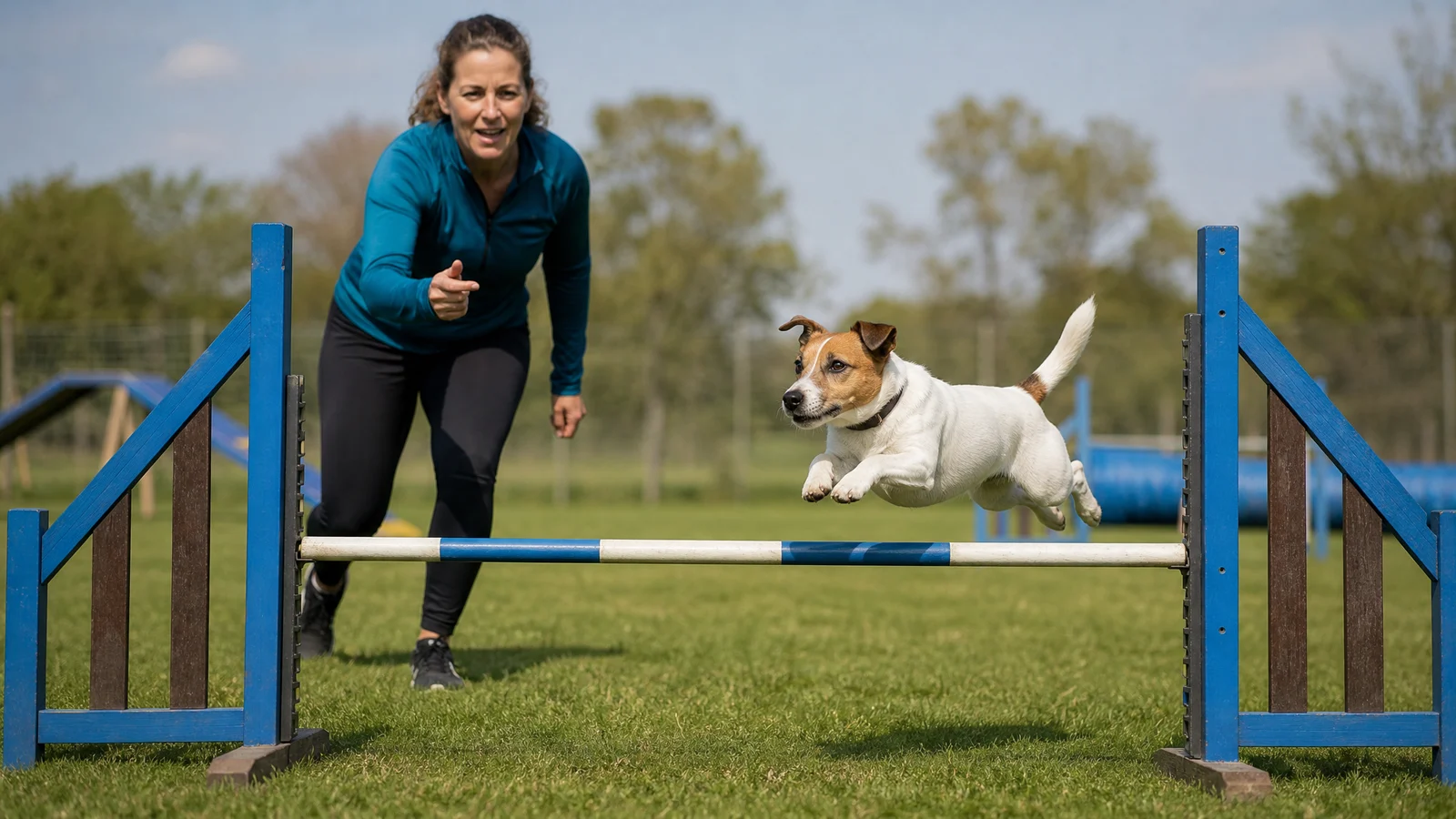 Exercise and jobsPutting a Jack Russell Terrier's Jumping to Work in Agility
 BehaviorWhat to Do When Your Jack Russell Terrier Digs Up the Yard
 BehaviorJack Russell Terrier and Cats: What Training Can and Can't Do