 Jack Russell
7 guides
Jack Russell behavior guides
Some Jack Russell Terriers clear mice and rats from along the shed with obvious relish and leave a lawn that looks like it lost a fight with a backhoe. Others never touch the grass. Same breed, very different dirt, and the gap is rarely about discipline. These guides deal with prey drive and the behavior it produces, from digging and fence patrol to life with a cat, which the JRTCA warns plainly against because small animals read as prey. They are honest about what training can and cannot change, and they put the setup to work, with a dig spot, a secure yard and four paws on the floor instead of on the counter, the door and your visitors.
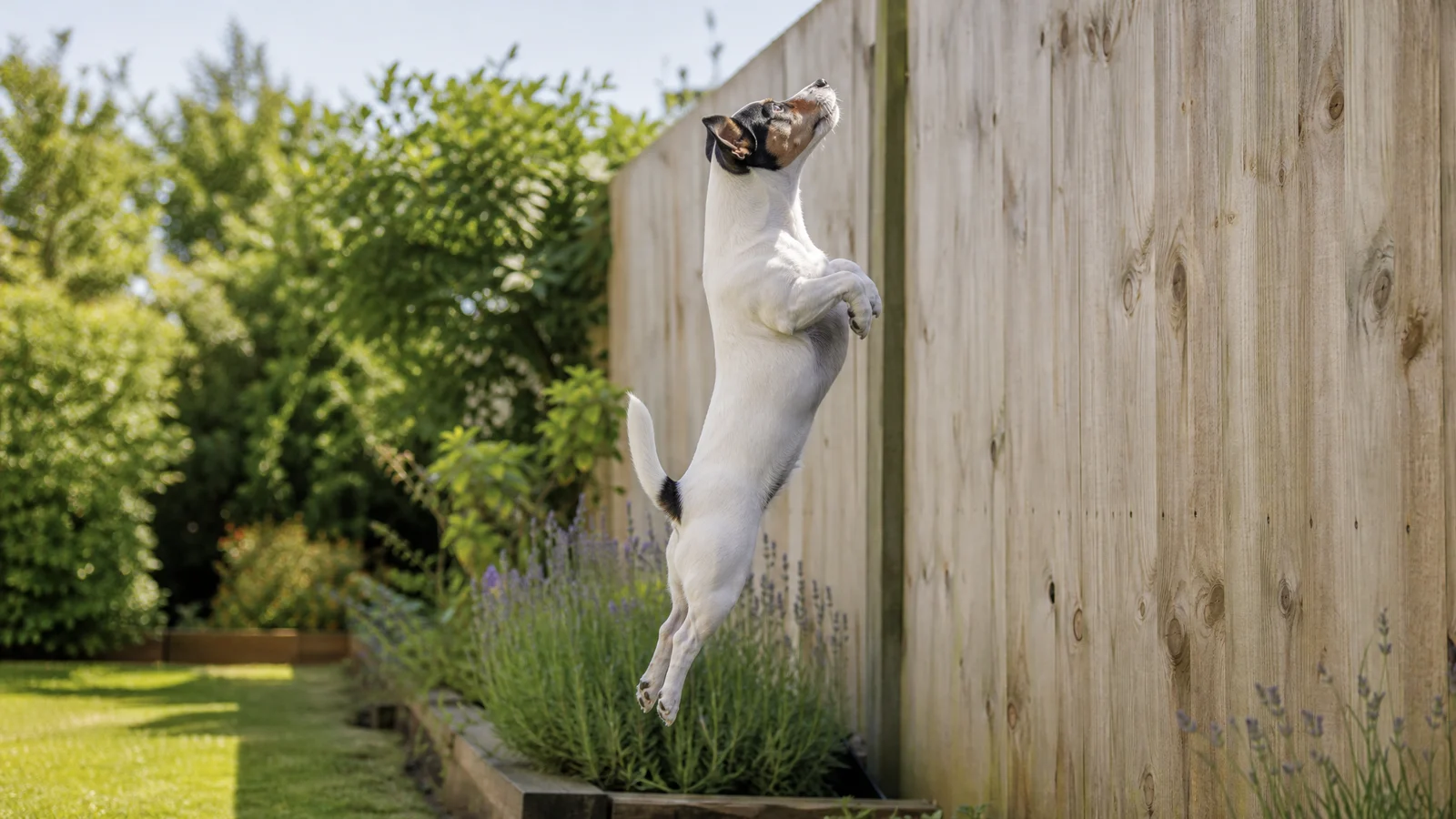 BehaviorJack Russell Terrier Jumping High: Fences and CountersA Jack Russell Terrier springs toward a visitor, puts paws on the counter, launches at the door and studies the yard boundary.
 BehaviorWhat to Do When Your Jack Russell Terrier Digs Up the YardSome Jack Russell Terrier owners have a yard where the dog clears mice and rats from along the shed with obvious relish, and the lawn looks like it lost a…
 BehaviorJack Russell Terrier and Cats: What Training Can and Can't DoThe breed standard calls the Jack Russell Terrier a bold, friendly, active and alert hunting terrier, and the JRTCA adds a blunt warning: cats and other small…
 BehaviorJack Russell Terriers Who Slip Under and Over the FenceOne loose board can defeat an otherwise secure yard. A Jack Russell Terrier does not need to test every foot of fence equally.
 BehaviorWhen a Jack Russell Terrier Freezes Over a Toy: Trade GamesStillness over a toy is not an invitation to a staring contest. In a Jack Russell Terrier, the pause, lowered head or fixed eyes may be the first visible sign…
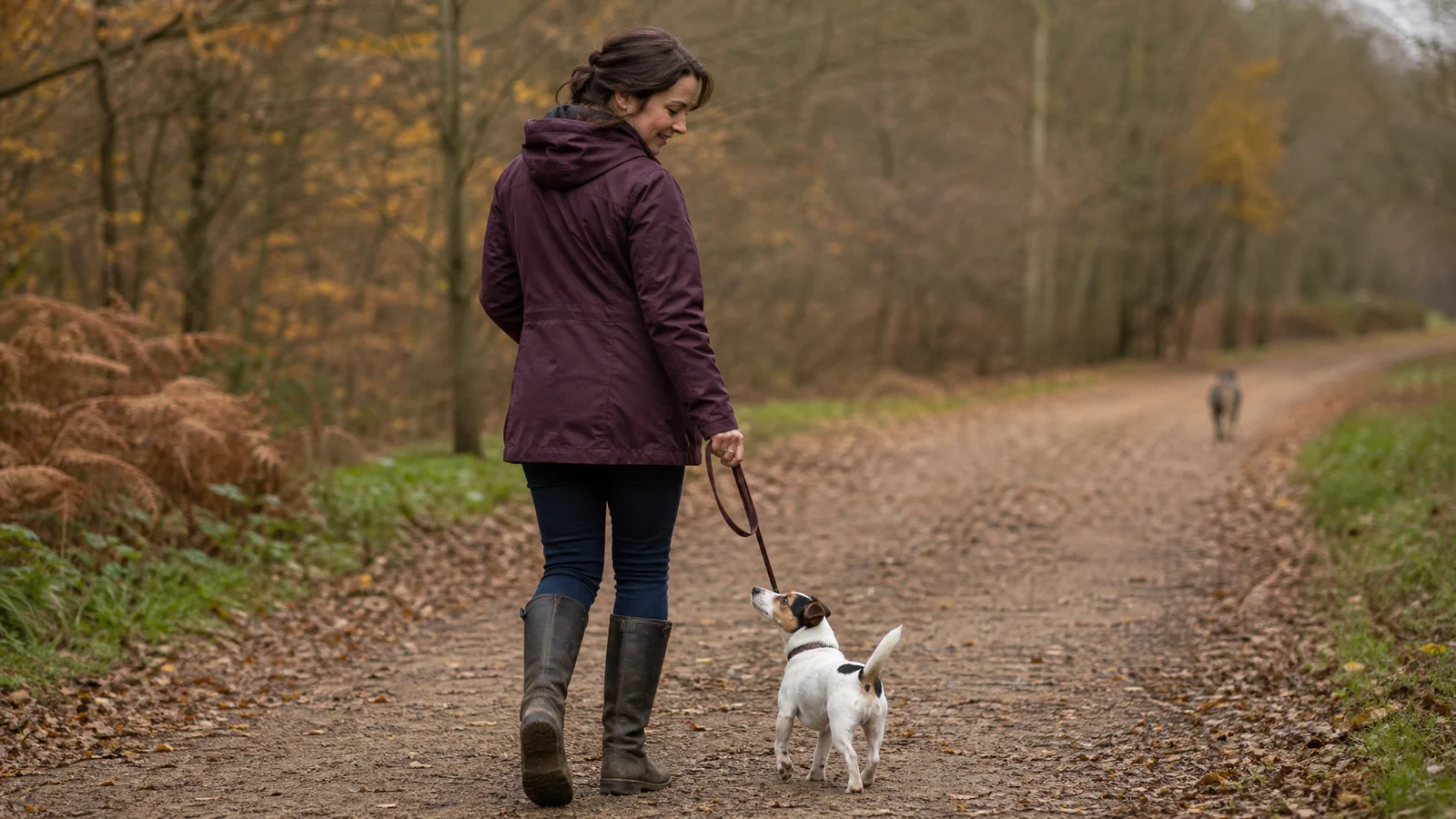 BehaviorWhen a Jack Russell Terrier Picks Fights: Teaching CalmOne Jack Russell Terrier barks when a dog appears but can turn away across the street. Another becomes still, stares and lunges when the gap closes.
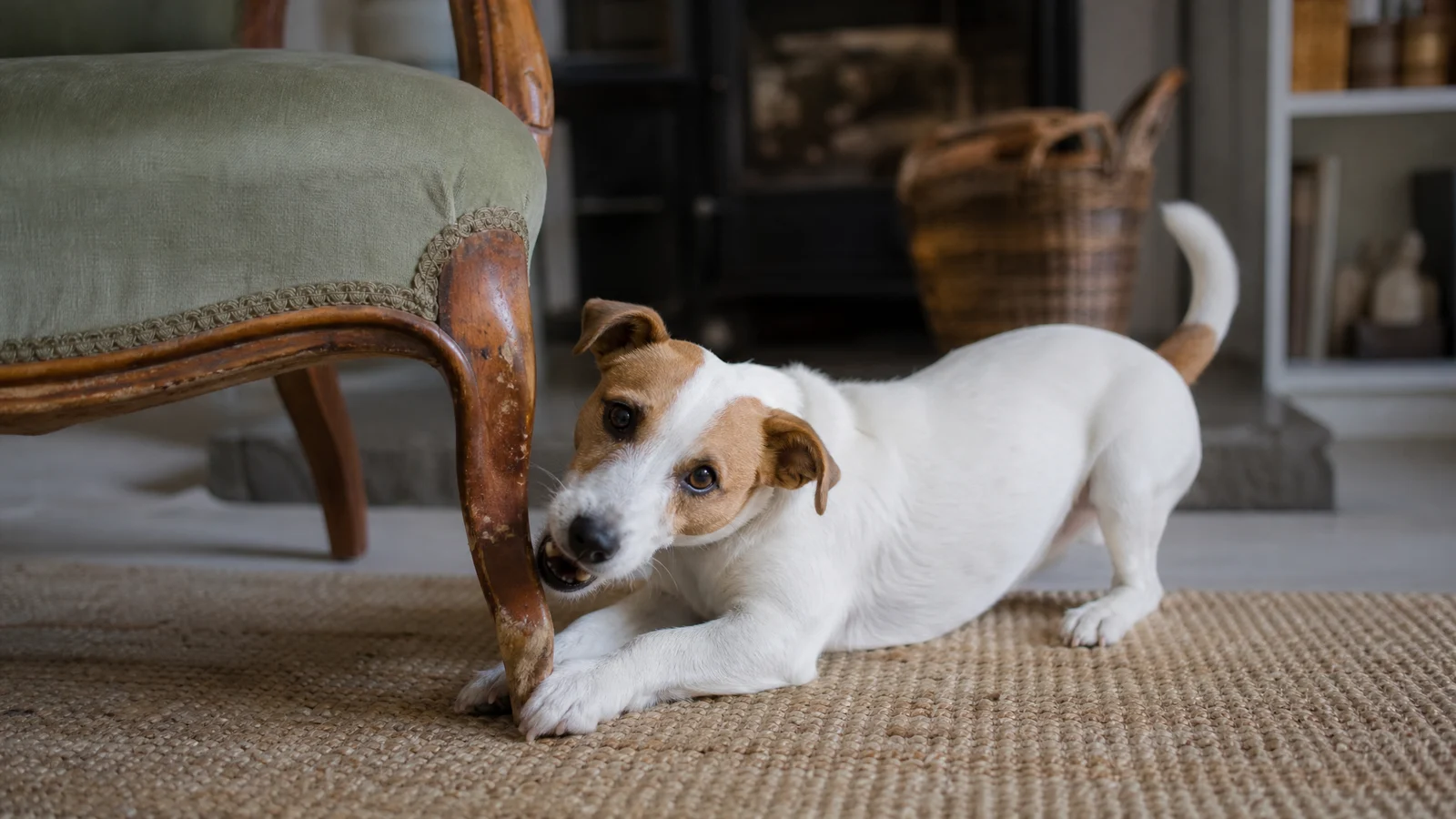 BehaviorA Bored Jack Russell Terrier Invents Jobs, So Offer ChewsA torn cushion, a scored table leg and a chewed door frame look like one behavior problem from across the room. The evidence may tell three different stories.