 Jack Russell
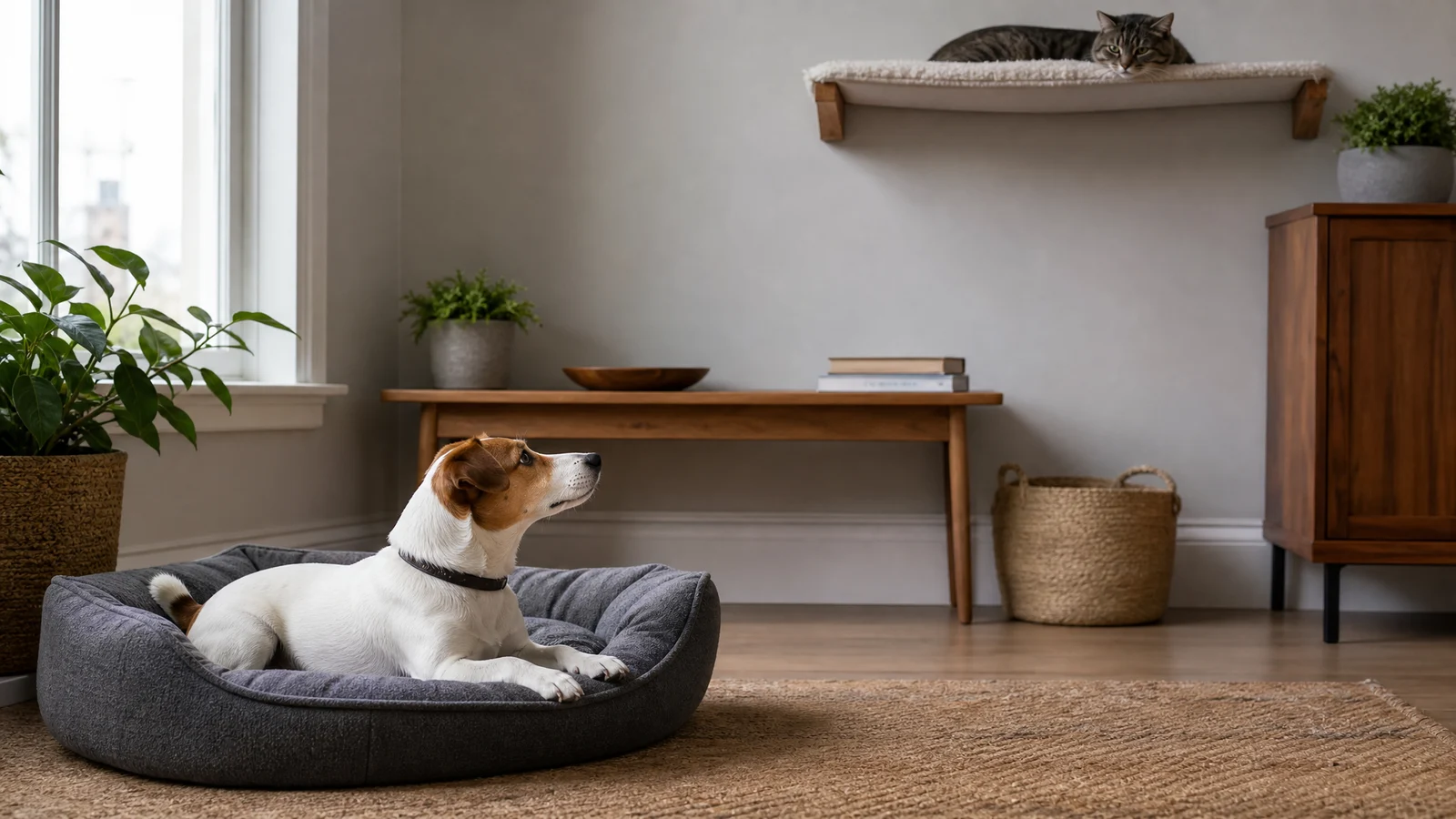
The breed standard calls the Jack Russell Terrier a bold, friendly, active and alert hunting terrier, and the JRTCA adds a blunt warning: cats and other small pets will not work with a Jack Russell, because these dogs see such animals as prey. Many owners hope the right training will soften that rule. What they report is messier, from dogs who clear rats, mice and possums out of the yard to dogs who live calmly beside a cat for years until something flips.
That gap matters. Handled badly, it ends with an injured cat, a stressed dog and a house run on constant tension. Handled well, both animals relax because the setup does the heavy lifting.
Below, you'll find the seven beliefs owners hold most often about Jack Russells and cats, including why early introductions, a quiet dog and a good recall each fall short, and what to do in their place.
Training Cannot Erase Jack Russell Terrier Prey Drive
The belief is that enough training will switch the hunting instinct off. It won't. The breed standard describes a notoriously fearless terrier built to work underground, and the breed's history is following quarry to ground and bolting their quarry so the chase can go on. Instinct that deep is part of the dog, not a bad habit waiting to be undone.
Owners see this drive every day. Many Jacks catch and clear rats, mice and other vermin from yards and neighboring coop areas, often with obvious enthusiasm. Some range wider to rabbits, lizards and possums, and some lock onto a single target, such as a mouse in a gutter pipe, until the job is finished. In that mindset, a cat looks like more of the same.
What training can do is give the instinct somewhere to go. Dogs with no outlet will invent their own jobs, and chasing is a favorite. Build daily work into the week with agility, obedience, nose games and racing-style running, and read our article on the Jack Russell hunting instinct behind common problems for more ideas.
Treat training as a way to lower the risk, never as a way to remove it. A tired, mentally fed Jack makes better choices than a bored one, but the wiring underneath stays the same.
Growing Up With the Cat Won't Finish Jack Russell Terrier Training
Many owners believe a puppy raised alongside a cat will grow into a friend for life. Plenty of households do reach a peaceful routine, and it's worth working toward. But early introduction gives you a head start, not a guarantee, because familiarity doesn't dissolve a prey instinct.
Owners also report the unwelcome surprise. A Jack who lived calmly with a household cat for years can suddenly turn on the cat, going wild at random sightings. Sometimes you can name the trigger, such as a cat bolting past or a change in routine, and sometimes you never do.
The same pattern shows up with other dogs. Some Jacks adore their people and the dog they share a home with, yet lunge at visiting dogs, and unsupervised visits have ended in bitten faces. Owners also report violent fights between two Jacks in one house over toys or food, with very little warning growl and some injuries that needed stitches.
Big changes seem to matter too. Some owners see an adopted adult get much worse with other dogs after a move, so treat any upheaval as a reason to tighten routines rather than relax them. Keep the gates, closed doors and high perches in place in year five exactly as you did in month one.
Is a Calm Jack Russell Terrier Safe Around Cats?
A quiet dog looks like a safe dog, so owners relax when their Jack lies still and watches the cat. Stillness is exactly what a terrier does before acting. Owners describe Jacks watching birds in the yard with serious, focused attention, and that same freeze can aim at a cat. A hard stare, a stiff body and sudden silence are fixation, not calm.
Not every Jack carries the same intensity. Some owners find a dog with far less killer instinct than earlier Jacks, and that's real. Still, plan around the individual dog, and don't treat low drive as permission to leave small pets alone with them. Teach true calm on purpose with these reward-based steps:
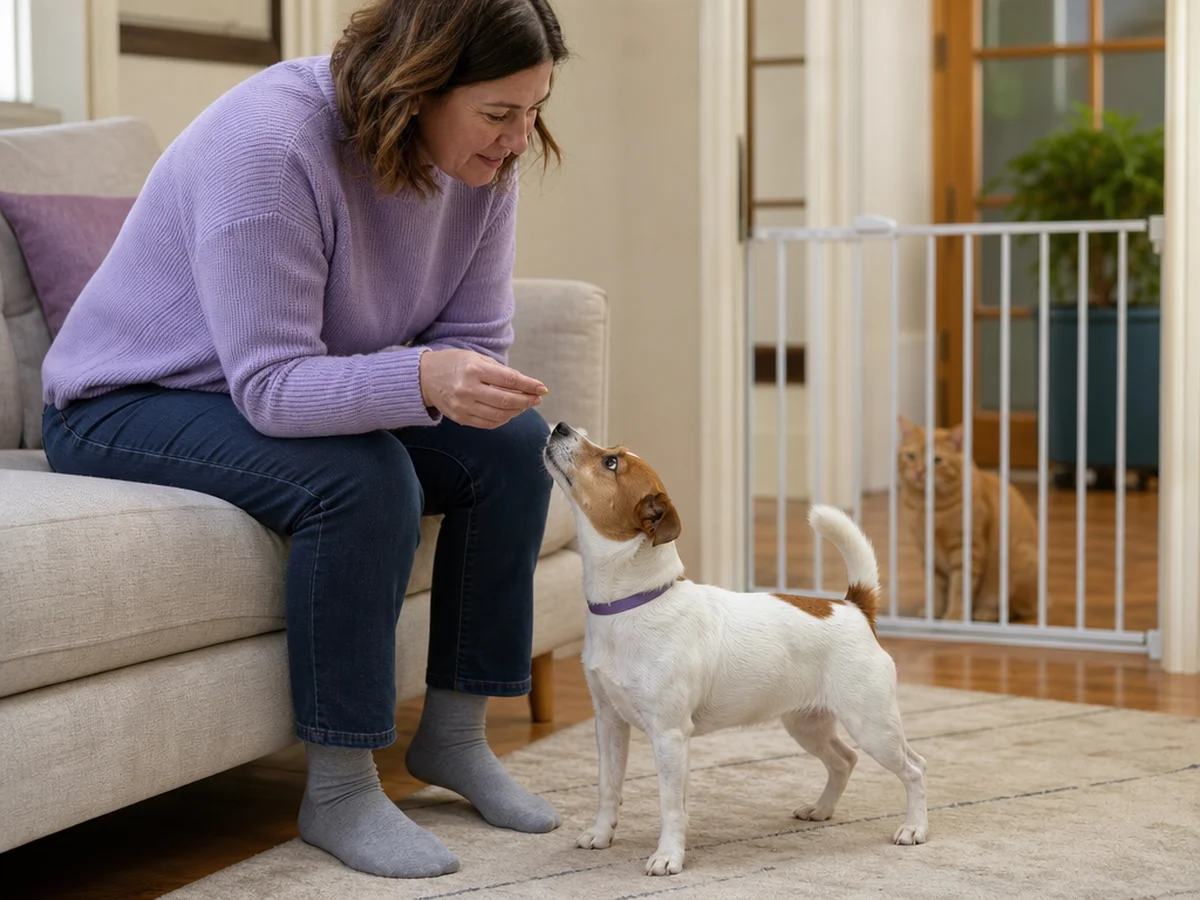
- Start with the cat behind a gate or across a room, far enough back that treats still interest your Jack and they can still think.
- As soon as your dog glances at the cat and then swings their attention back to you, mark that moment with your chosen word and give a treat.
- Teach a "look at me" cue away from the cat first, rewarding eye contact until your dog offers it quickly, then use it with the cat in view.
- Reward your Jack for lying on a mat while the cat moves around behind the barrier.
- Shrink the gap in small steps, and only when your dog stays loose. If you see a freeze, end the session early.
If you spot that freeze, interrupt calmly, move your dog away and reward the disengagement. You are teaching them to check in with you when the cat appears, not to hide their interest.
Gates and Supervision Are Not Training Failure
Some owners feel that needing gates and separate rooms means they've failed. Flip that view. Barriers are the normal setup for a hunting terrier, and they make your training possible, because every rehearsal of a chase strengthens the habit. Your dog can't practice calm while they keep practicing the chase.
Set up a protected zone for the cat, with a gate your Jack can't clear, a door that latches and high places to retreat to. When a new dog is joining a cat, Battersea advises keeping them completely separate for weeks, a minimum of two to three weeks, ahead of any careful introductions. With a Jack, take the longer end of that range and go slowly.
When you do introduce them, keep these rules:
- Hold your dog on a leash or keep them behind a gate for every early meeting, and have a second person ready to help.
- Make sure the cat has a high escape route at all times, and never corner them or force contact.
- Reward calm looks and relaxed body language, and stop the session while it's still going well.
- Separate the pair whenever you can't watch both animals, even after many good sessions.
Supervision means eyes on both animals, not being somewhere in the house. If you can't give that attention, use the gate. Other small pets such as hamsters, rabbits and birds need the same protection, with latched cages in a room your Jack can't enter.
Can Recall Training Stop a Chase?
Many owners count on a rock-solid recall or "leave it" as their safety net. Both cues are worth teaching, and both work best while your dog is still thinking. At the peak of a chase, a terrier locked onto a moving target often can't process your voice, which is why cues should never replace barriers.
The same ceiling applies with other dogs. Consistent, treat-rewarded "leave it" practice can bring real progress, yet it may not hold when an off-leash dog charges. Expect the same with a cat that darts: the closer and faster the target, the less any cue can do.
Where Cues Do Help
Use your cues in the moments before the peak. Reward recall generously with high-value treats and play, and practice "leave it" with food, since some owners find their Jack grabs or seeks scraps on walks. Then use the same cue when you spot a cat early and still have your dog's attention.
Where Management Takes Over
Keep your Jack on a leash or secured whenever a chase is possible. Some Jacks must investigate every upright object on a walk, so build in extra time and keep the leash short near hedges, fences and gutters. The cue is your backup, and the barrier is your plan.
Reward-Based Training for Jack Russell Terrier Cat Chasing
Pay your Jack for every calm choice around the cat, whether that's glancing at the cat and then back at you, turning away, or settling on a mat. Treats, praise or a quick game all work. Our approach follows the fact that only reward-based methods are recommended for all dog training, including behavior problems. Over time, your dog learns that the cat's appearance predicts something good for staying calm.
Reward the behavior you want, such as looking away from the cat or settling, and calmly end the situation when your dog can't manage it. A short time-out in another room, or stopping play when excitement spikes, works with your dog's brain rather than against it. Ignoring the small stuff and paying well for good choices is also the approach the breed club suggests.
Jacks are extremely intelligent and keep testing their limits throughout life, so consistency matters more than force. Everyone in your house should use the same rules, the same cues and the same gates. If you wonder whether you're facing a stubborn dog or a bored one, our article on stubborn or under-challenged will help you tell the difference.
Long-Term Training and Life With a Jack Russell Terrier and Cats
Expect management to last for the dog's whole life. Training will make your days smoother, but it won't turn a hunting terrier into a bystander. Progress looks like calm routines: your dog looks at you when the cat walks in, settles on their mat, and accepts the gate without fuss.
Keep the habits that got you there. Reward calm often, even when it's boring, and refresh your cues every few months. Schedule regular vet visits too, because pain or illness can shift a dog's tolerance and mood. If your Jack also reacts to other dogs, start early, and our guide to socializing a friendly Jack Russell covers it.
Be honest with yourself about fit. If you can't keep the animals reliably apart, if the cat is living in fear, or if your dog fixates despite weeks of patient work, permanent separation may be the kindest answer. In some homes the right decision is to keep a Jack and cats in different spaces for good, or to think hard about whether the household suits this breed.
Most homes that succeed do so by accepting the instinct instead of fighting it. You give your Jack outlets, you protect the cat, and you measure success in quiet days rather than in a dog who no longer cares.
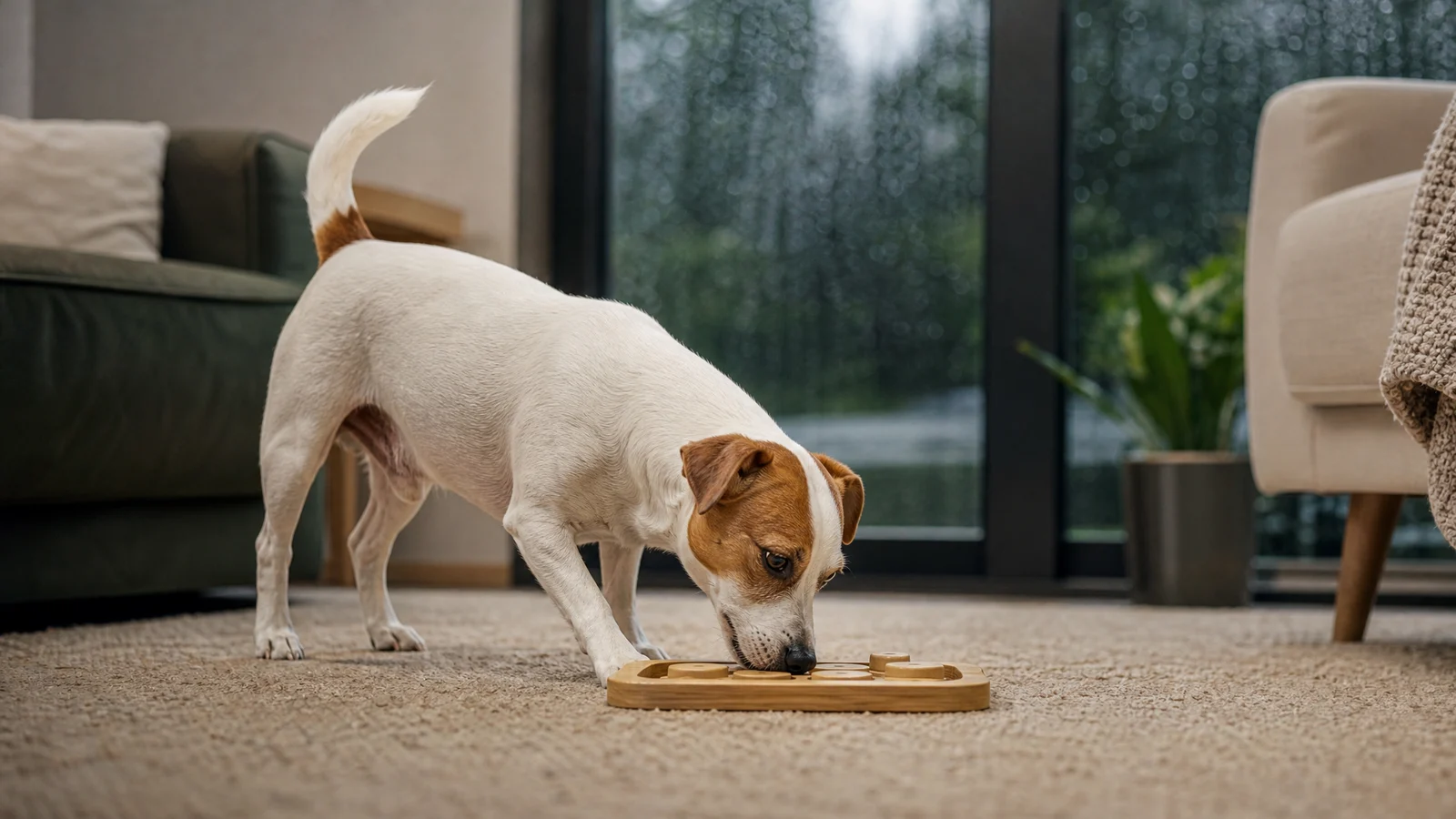 Exercise and jobsRainy Day Jobs for a High-Energy Jack Russell Terrier
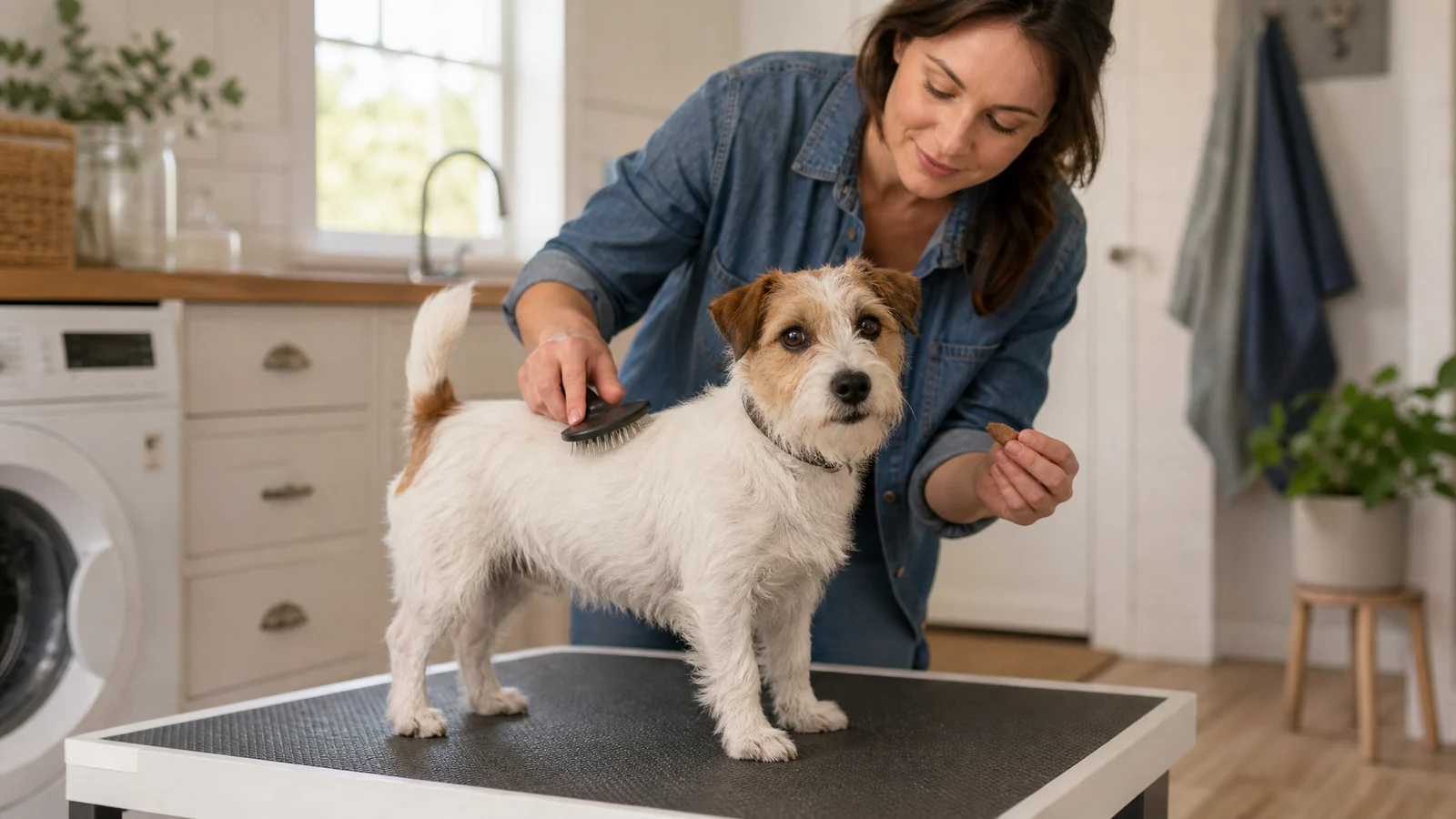 CareGetting a Wirehaired Jack Russell Terrier Used to Grooming
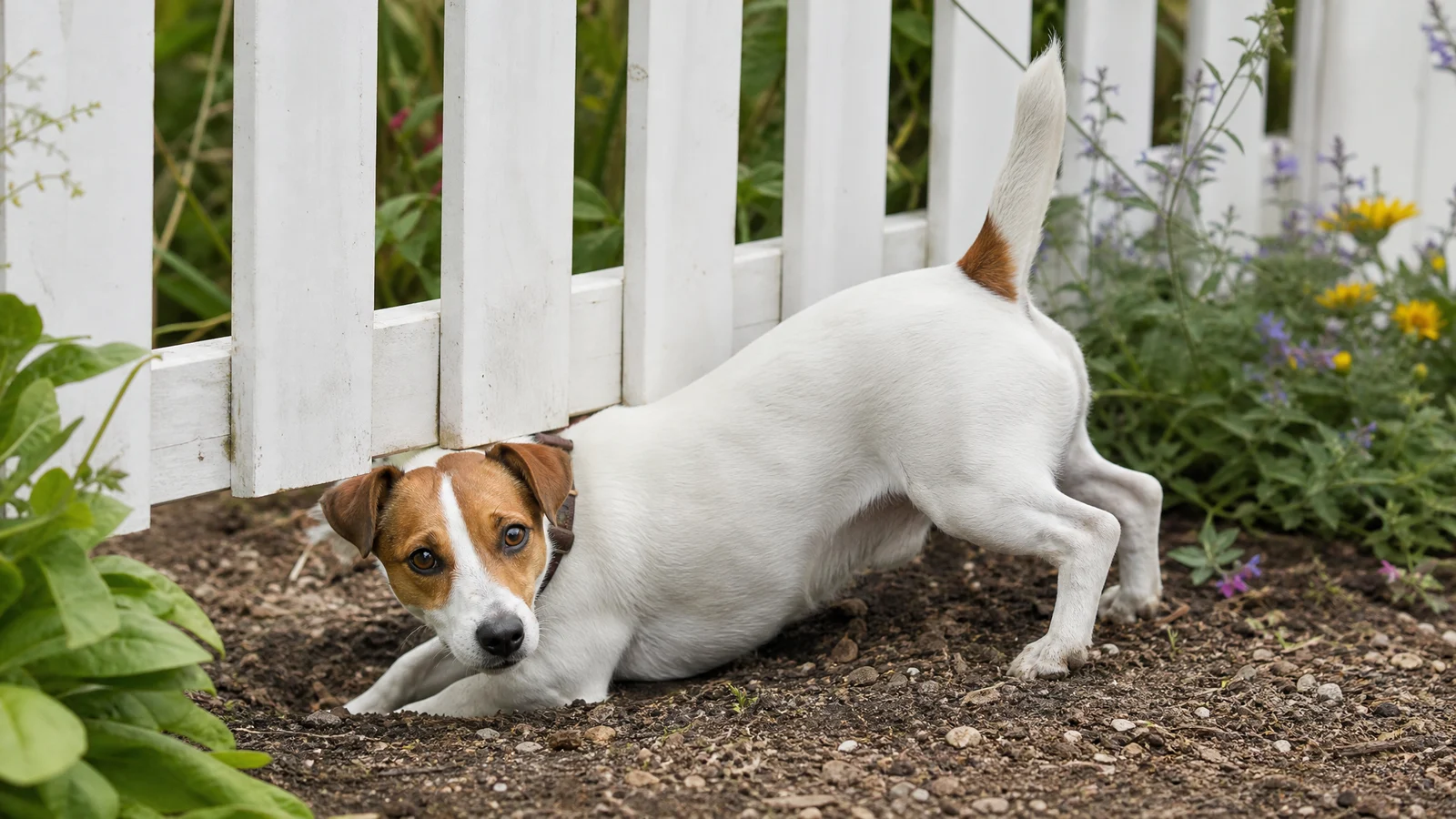 BehaviorJack Russell Terriers Who Slip Under and Over the Fence