 Jack Russell
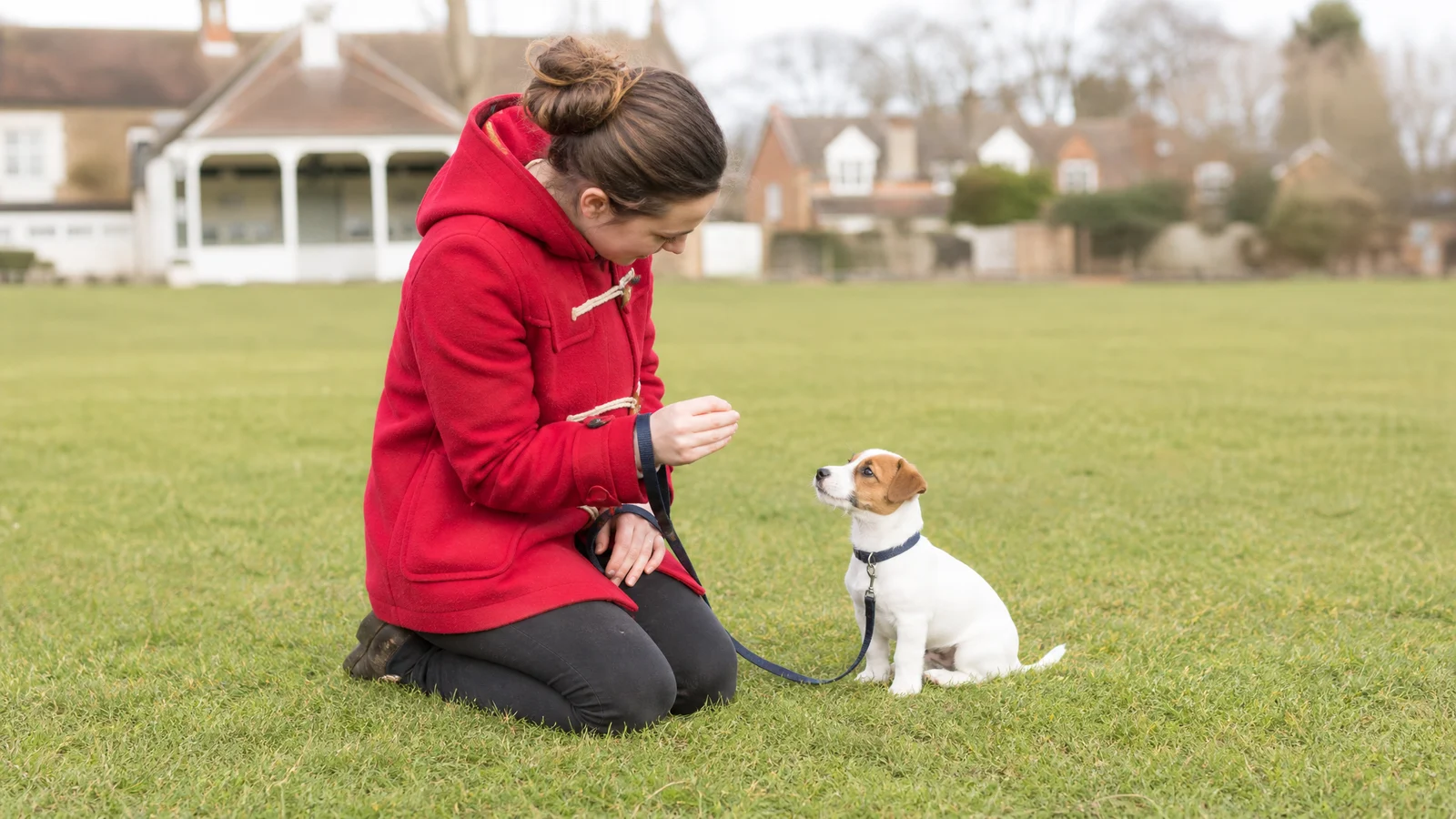
A four-month-old puppy may look taller, move faster and remember exactly where food is stored. That does not automatically make the puppy an adolescent. Cited welfare guidance places the start of canine adolescence between six and twelve months, so four months is better treated as a preparation window than an early declaration of teenage rebellion.
Below, we use a five-stage four-month check rather than a month-by-month training timeline. We set the developmental frame, audit morning and evening, stabilize toilet, chewing and recall systems, coordinate the household handoff and weekly scorecard, then escalate changes that exceed ordinary puppy management. Each stage prepares for the teenage months without pretending they have already arrived.
Frame Jack Russell Terrier Training Before the Teenage Months
The RSPCA's adolescent puppy guidance says adolescence may begin from six to twelve months and continue into the second year. Individual timing varies. At four months, focus on foundations that will remain useful when attention and impulse control fluctuate later.
A puppy who seems to forget a cue may be tired, distracted or working in a harder setting. Avoid framing every miss as rule testing. Ask what changed in the environment, whether the payoff fits the setting and whether this exact picture is familiar.
The UKC describes the Jack Russell Terrier as a bold, active and alert hunting terrier. Quick investigation is expected, but access still belongs to adults. Gates, leashes and closed storage prevent mistakes while training teaches the puppy where useful choices happen.
Keep regular veterinary visits current, including the puppy's recommended preventive care. Ask the veterinarian about exercise, growth, teething, preventive-care status and safe public exposure. Sudden lethargy, pain, digestive changes or a loss of previously stable behavior deserves medical attention.
Audit a 4 Month Old Jack Russell Terrier Day
Write the day as a chain of transitions rather than a list of commands. Waking leads to a toilet trip. Eating leads to another trip and a calm activity. Play leads to recovery and rest. Most household problems occur in the handoff between those blocks.

| System | Evidence of stability | Weak handoff | One repair |
|---|---|---|---|
| Sleep | Puppy settles in a familiar area | Wild contact after long activity | Schedule rest before the busy period |
| Toilet | Adult anticipates likely times | Freedom immediately after a missed trip | Supervise and try again soon |
| Chewing | Safe item is easy to find | Room opens before hazards are stored | Close storage before access |
| Training | Brief practice ends successfully | Repetitions continue after attention fades | Stop earlier and record the setting |
Morning Audit Before the Teenage Months
Prepare leash, rewards and clothing before opening the puppy's sleep area. Go directly to the toilet location, wait calmly and reward outside. Breakfast can become a short search or a few easy training repetitions, followed by another chance to eliminate.
Notice whether the household rush creates jumping, grabbing or indoor accidents. Move preparation earlier instead of asking the puppy to wait through adult confusion. A smooth morning is built the night before.
Count the number of adult prompts needed between waking and settling after breakfast. If the chain requires constant reminders, simplify the route. Put shoes by the door, measure breakfast ahead and close tempting rooms before the puppy wakes.
Evening Audit Before the Teenage Months
Many puppies become more intense when tired. Place active play earlier, then shift to sniffing, a safe chew and lower household traffic. Keep the final toilet route predictable and avoid introducing a difficult new exercise just before sleep.
Record the time when contact, barking or zooming begins. If the pattern repeats, start the quiet transition fifteen minutes earlier. The calendar can reveal a sleep problem more clearly than another obedience drill.
Include successful evenings. Note the activity that preceded calm, where the puppy rested and which adult handled the final trip. Repeating a working sequence is more useful than redesigning every night around the latest difficult episode.
Stabilize Jack Russell Terrier Systems Before the Teenage Months
Use predictable exit points around sleep, meals, drinking and energetic play, plus another trip before confinement or bedtime. Use the same safe location and supervise. Reward after elimination, then offer a little sniffing so the puppy does not learn that success always ends outdoor time.
Battersea's toilet-training guidance emphasizes routine and frequent opportunities. At four months, longer dry periods may appear, but they do not justify a sudden jump to unsupervised room access.
If nothing happens, return indoors under direct supervision or use a comfortable puppy area for a short interval, then try again. Clean accidents thoroughly with a pet-safe enzymatic product. Clean and reset the routine without involving the puppy.
Track location and timing. An accident beside the exit may mean the adult missed a signal. An accident after exciting play may mean the transition was too slow. Frequent accidents despite a consistent plan, sudden incontinence, straining or increased thirst warrant veterinary advice.
The site's detailed Jack Russell potty training guide covers the full process. This audit asks whether adults are still supporting that process as the puppy becomes faster and more confident.
Protect Chewing and Handling Systems at Four Months
Teething and exploration make access control essential. Put cords, household chemicals, children's objects, laundry and waste behind closed storage. Offer veterinarian-approved chews sized for the puppy and inspect them often. Supervise unfamiliar items.
Practice trades with safe low-value objects. Present food, wait for the puppy to release, mark the release and return the object when appropriate. Trading should predict good outcomes. Chasing a puppy through the house can turn possession into a game.
Handling practice should be tiny and voluntary. Touch a shoulder, feed and stop. Briefly hold a paw, feed and release before struggle. Pair the sight of a brush with food before brushing. Progress is relaxed participation, not how long an adult can restrain the puppy.
Keep a separate basket for care supplies so sessions do not begin with a search. Let the puppy see one item, reward calm investigation and put it away. Familiar equipment reduces surprise when a real grooming or health check is needed.
Use a nonslip mat for body care. The mat tells the puppy where the interaction happens and gives the adult a clear stopping point. If the puppy repeatedly mouths, retreats or freezes, reduce the step and ask the veterinarian about possible discomfort.
The related guide to Jack Russell puppy training uses a traffic-light system for contact. Add that plan when mouthing changes from gentle interaction to fast, painful or difficult-to-interrupt contact.
Rehearse Jack Russell Terrier Recall Before the Teenage Months
Build recall indoors and in secure areas before distraction grows. Say the cue once, move away and reward near the body. Release the puppy back to a safe activity often so returning does not always end fun.
Use a leash or long line outdoors according to the setting and local rules. The line is a safety boundary, not a pulling tool. Do not test recall around traffic, wildlife or unknown dogs.
Practice the same skill in small environmental slices. Move from one room to the yard, then to a quiet outdoor area at a generous distance from movement. Keep the background familiar while introducing one new detail, then simplify the setting after a missed response.
Record the first-cue response and recovery, not just speed. A puppy who turns, eats and can remain near the handler is showing a more complete skill than one who touches a hand and immediately races away.
PDSA's adolescent dog guidance reminds owners that social maturity takes time. Foundation practice at four months cannot guarantee perfect teenage recall, but it gives the household a familiar routine to protect.
Share a Jack Russell Terrier Handoff for the Teenage Months
Each adult should know the puppy's last toilet trip, meal, rest period and training session. Use a whiteboard or shared note rather than memory. Duplicate meals and missed trips often begin when responsibility changes without a handoff.
Add an emergency line for moments when the planned adult becomes unavailable. Name who takes the puppy, which gate remains shut and where the current log is stored. A backup plan prevents a rushed transfer from becoming an open door or missed need.
Write three current rules in concrete language. Examples are gate closed before the exterior door opens, puppy on the mat during food preparation and safe chew available before family television time. Replace broad rules such as behave with actions people can arrange.
Children can help toss rewards or choose a toy while an adult supervises. They should not hold a long line, remove objects from the mouth or manage high-energy episodes. Adults remain responsible for barriers and exits.
Visitors need a short script. Ask them to ignore jumping, keep bags out of reach and allow the adult to manage the first minutes. A planned arrival protects training better than giving instructions after the puppy has grabbed a coat.
Review the Four-Month Weekly Scorecard
Review the week at the same time each week. Use trends rather than one difficult day. The scorecard should include:
- Number and context of indoor toilet accidents.
- Times the puppy settled after activity without repeated prompting.
- Successful trades and any object that created concern.
- Recall settings where the first cue worked.
- Handling steps the puppy accepted with a loose body.
- Transitions that repeatedly produced overexcitement.
Choose one system to repair next week. If mornings are unstable, do not also make recall, handling and visitor greetings harder. Keeping the rest of the routine familiar makes the effect of one change visible.
The site's month-by-month Jack Russell puppy training timeline provides a broader view. The scorecard remains a household instrument for this puppy, in this week and in these rooms.
Get Help Before the Teenage Months Become Harder
Contact the veterinarian for sudden behavior changes, persistent house soiling, pain, digestive concerns, sleep disruption or handling sensitivity. Bring the weekly scorecard. Timing and context can help the veterinary team decide what to examine.
Consult a credentialed reward-based trainer when the household cannot safely manage biting, guarding, escapes, dog conflict or intense distress during brief separations. Early support can repair systems before greater speed and confidence make mistakes harder to contain.
Four months is not a deadline for a finished dog. It is a useful audit point. Today, inspect one transition from waking, eating, playing or resting and make the adult handoff clearer. Those small systems become the support structure the Jack Russell Terrier can rely on when the teenage months truly arrive.
 Training basicsIs Your Jack Russell Terrier Stubborn or Just Too Clever?
 Exercise and jobsHiking With a Jack Russell Terrier: Trail Manners and Recall
 Exercise and jobsExercise and Brain Games for a Tireless Jack Russell Terrier