 Jack Russell
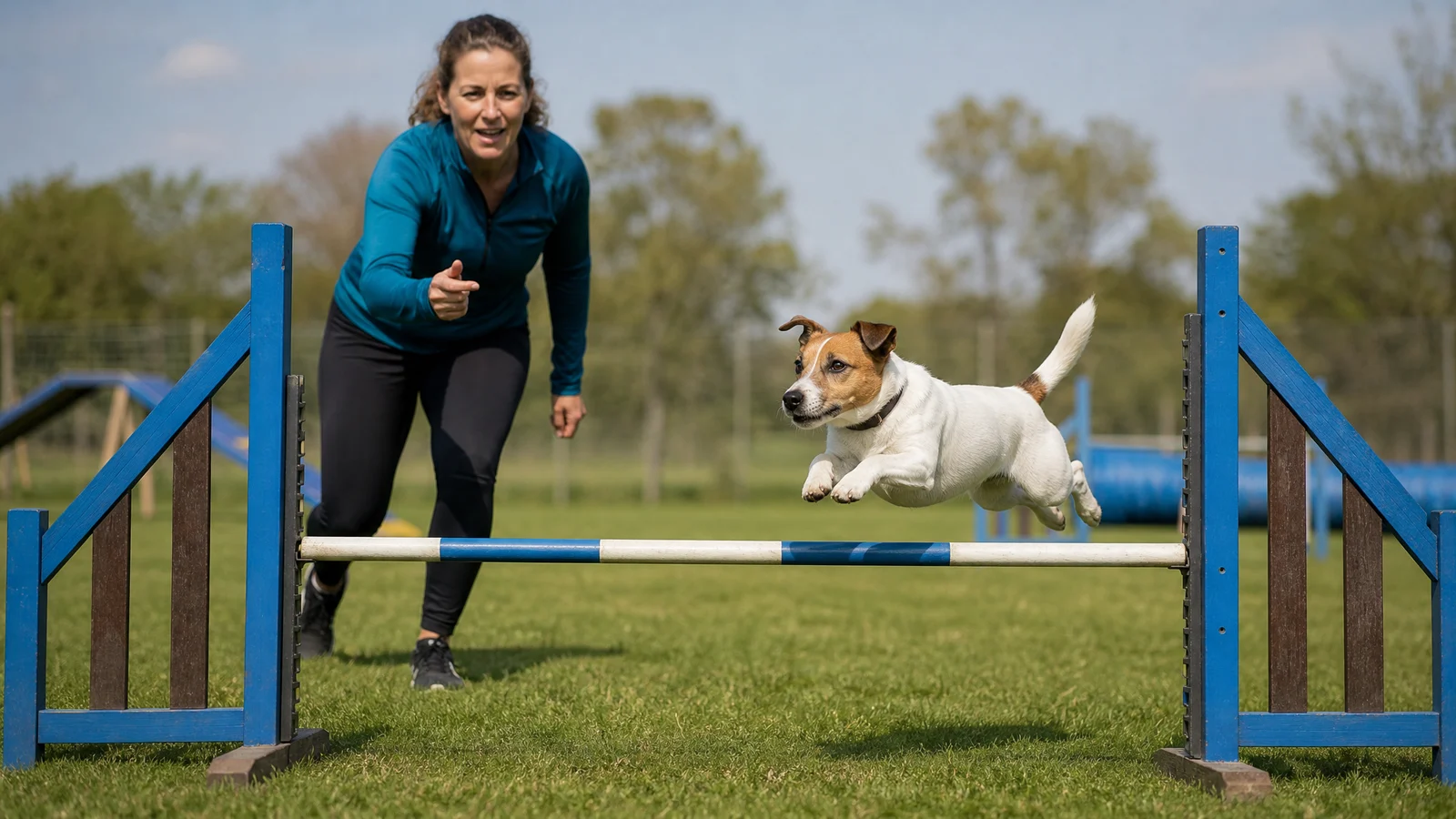
Agility, racing and Search N'Sniff are all good outlets for a Jack Russell Terrier, because the breed's running and jumping needs a target. Breed profiles rate the Russell type 5 of 5 for energy and 5 of 5 for needing a job or activity, so a lap around the block never covers it.
Aimed well, that drive gives you a partner who sprints, leaps and searches on cue, then rests. Aimed badly, it becomes digging, barking and a dog who cannot switch off, and small joints take a beating when hard jumping starts too early.
We'll walk you through what sanctioned trials offer and how to lay puppy foundations, then the limits of the teen months, adult agility, racing and Search N'Sniff, and gentler senior options, closing with two weeks of daily steps you can start now.
Jack Russell Terrier Dog Sports
Sanctioned Jack Russell trials reach well beyond the show ring. They include agility, obedience, Search N'Sniff and racing, and racing is described as a popular event. The breed's standard is deliberately broad, built around a working terrier rather than a narrow cosmetic look, so you can pick the sport that suits your own dog. Anyone living with a Jack already knows they share a home with a working dog.
We focus on how Jacks behave and learn, and what we see again and again is that a Jack with a job is far easier to live with than a Jack with only a schedule. Before any of it, remember that joints, heart and breathing all work harder in agility. Keep regular vet visits and get a go-ahead before you begin.
Exercise Alone Falls Short
This surprises many new owners. Some Jacks stay wound up even after a full day of walks, play and puzzle toys, and owners of puppies often report that trying to tire them out simply did not work. Teaching a dog how to switch off matters as much as burning energy.
Calm works like a dimmer switch fitted to a light that only had two settings, off and blazing. It is a skill you build with rewards, not a trait a dog either has or lacks. Owners who used crate training and short settle routines report dogs with clearly separate active and quiet periods. A predictable exercise time helps too, because many dogs learn to wait quietly until the usual hour arrives. After each sport session, pay your dog for lying on a mat.
Reward Tools and Sport Choices
Everything here runs on treats, toys, praise and a marker. A marker is a single word, such as yes, said at the exact instant your dog does the right thing, so the treat can arrive a moment later and still be understood. Choose the sport by what your dog already enjoys.
Agility asks for jumps, tunnels and quick turns, and it rewards a dog who keeps one eye on you. Racing asks for a fast sprint and a dog who can wait calmly before the release. Search N'Sniff asks for a good nose and persistence, and it puts a Jack's urge to investigate everything to honest use.
A dog with a job also digs less, and our guide to stopping Jack Russell yard digging covers the cases where it continues. For the hours around the sport, see daily Jack Russell exercise and brain games.
Why Dog Sports Suit a Jack Russell Terrier
Before you pick a sport, it helps to understand why a Jack Russell Terrier needs one. Energy and the need for mental work rank as high as they can go for this breed, so running and jumping with no target tends to turn into mischief at home. A sport gives that drive a place to land.
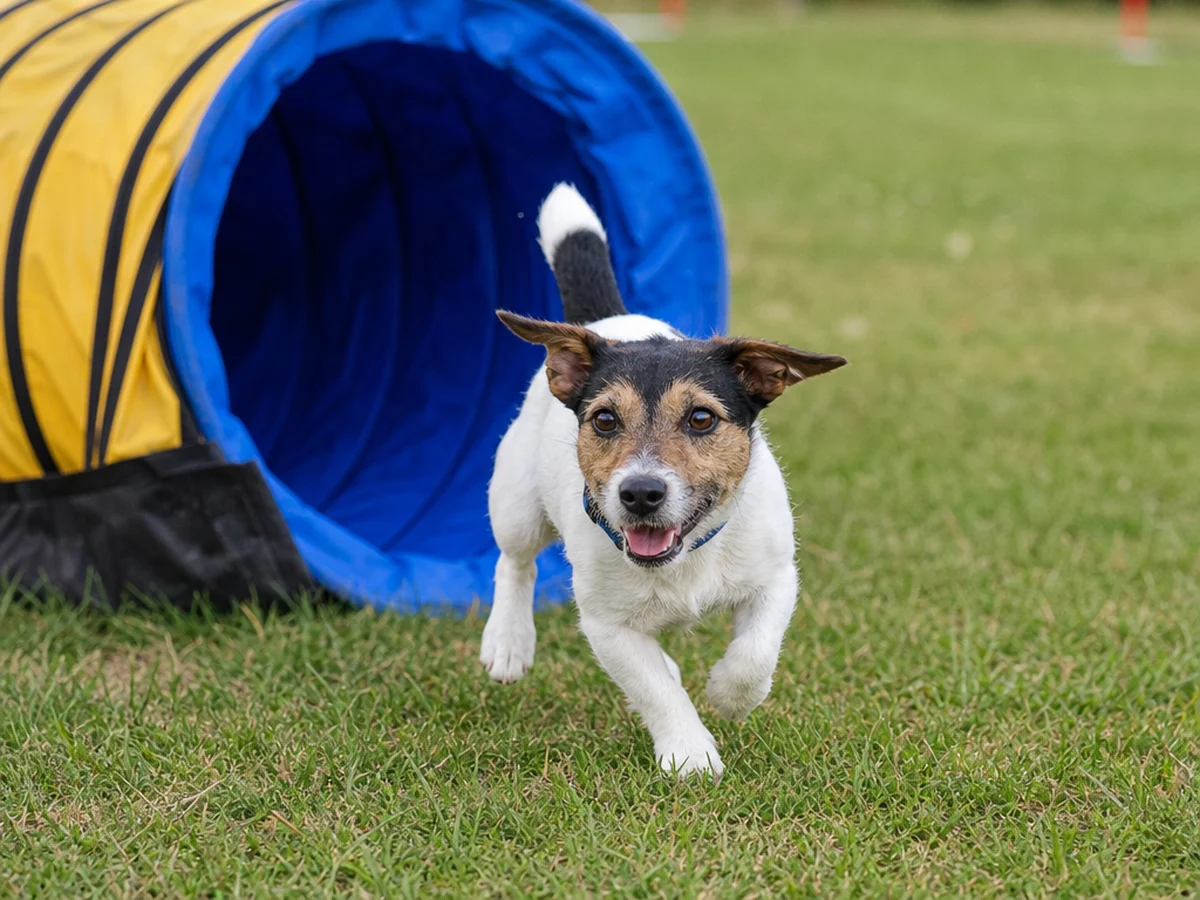
Sanctioned trials for the breed go well beyond conformation. For the activities in this article, the menu includes:
- Agility, where your dog works through jumps, tunnels and other obstacles on a timed course while you guide them.
- Racing, a popular event that rewards speed and a dog who can wait for the start and come back afterward.
- Search N'Sniff, which turns a Jack's habit of investigating everything into a scent job.
- Obedience, which builds the manners and focus every other sport leans on.
The breed standard is deliberately broad. It describes a working terrier rather than a narrow cosmetic look, and that diversity is part of why Jacks can suit so many kinds of performance work. You are free to choose the activity that matches your own dog's body, nerves and enthusiasm.
Whatever you choose, plan on short, cheerful sessions paid in treats, toys and praise. A Jack who finishes a session still wanting more is a Jack who will happily come back tomorrow.
Puppy Foundations for Dog Sports
A puppy's real job is becoming the dog who can do a sport later, so this stage is about confidence, coordination and manners, not courses. Play each game for only a few minutes on a rug or in the yard, with tiny treats and your marker. A Jack puppy's stamina is huge, so you will want to quit long before they do, and that is exactly right.
Confidence Games
Introduce new surfaces and objects one at a time: a baking sheet on the floor, an open cardboard box, a blanket draped over two chairs as a short tunnel. Mark and reward any curiosity, then let the puppy choose to move closer.
This is shaping, which means paying for small steps toward a bigger behavior instead of pushing or luring. A puppy who learns that odd things pay well grows into a dog who tries new obstacles eagerly.
Body Awareness
Body awareness is a dog's sense of where their feet and back end are. Reward all paws on a low, stable platform, slow steps over poles lying flat, and a gentle back-up. A Jack's springy build can hide clumsiness, and these games teach them to place their feet, which pays off on every obstacle later.
Jumping Up Politely
While your puppy is growing, skip jump drills, raised bars and bouncing on and off furniture. Poles on the ground teach the same course skills without the landing impact, and your vet can tell you when impact work is appropriate.
Greetings need a plan too. In greeting practice, ask for a sit as a helper approaches. If your puppy stands up, the helper turns and walks away, then tries again. Calm greetings now become a steady wait at the start line later.
Leash Focus
Many Jacks feel they must investigate every upright object on a walk, so covering ground takes a long time, and some grab or hunt for food on the street. Reward each glance back at you and teach a clear leave it, paying from your other hand.
Keep practicing leave it with treats in short, regular sessions, and manage your distance from loose dogs, because a well-rewarded cue works best when you also give your dog room.
Teen Limits in Dog Sports
Adolescence is the stretch between puppyhood and adulthood, when the body looks finished but the joints are still maturing and the nose pulls toward every smell. Your Jack may seem to forget cues they knew perfectly. That is normal, and it is a reason to keep physical work light and spend your effort on focus.
Focus Work First
Reward eye contact near mild distractions, then add more. When other dogs are involved, find your dog's threshold distance, the distance at which they can stay non-reactive. Inside that bubble they begin to react, so work just outside it, reward calm and close the gap gradually.
Low Jumps Only
Set bars so low your dog barely lifts a paw, and keep poles flat for as long as your instructor and vet suggest. Teach a sit-wait at the start line and a recall to a toy, since those skills carry into every sport. A dog who learns to wait at this age is far easier to run as an adult.
What to Hold Back
Until your vet confirms the joints have matured, save these for later:
- Full-height or repeated jump sequences, because landing impact adds up over a session.
- Tall or steep contact obstacles, where a bad landing can hurt a young body and shake a young dog's confidence.
- Tight, fast weaving drills, which ask for repeated sharp turns from a body still finishing its growth.
- Hard running on back-to-back days, since tired joints need rest days to recover.
Adolescent Jack Russell Terrier Agility Limits
Adolescence is the awkward stretch when your Jack looks like a finished athlete but the joints are still maturing. It is also when the nose and the urge to explore tend to beat your voice. The smart plan is to build the brain now and save the big physical work for later.
Focus and Low Jumps
Start with attention. Reward eye contact near mild distractions, then ask for a little more each week. Pair that with very low jumps, set so your dog barely lifts a paw, and keep any poles flat on the ground for as long as your instructor and vet suggest. Many owners find that a dog who checks in with them early has a much easier time when the equipment gets exciting.
What to Wait On
Until your vet confirms the joints have matured, hold these back.
That means no full-height jumps or repeated landings, because impact adds up on growing joints. Long, fast sequences of obstacles are better introduced one piece at a time, and races against other excited dogs can wait until your Jack can wait, run and come back reliably.
Holding back is not losing ground. Every calm, rewarded session now makes the adult sport faster to learn, and regular vet visits will tell you when your dog is ready for more.
Adult Jack Russell Terrier Dog Sports
In the prime years your dog has the body, the brain and the foundation for real sport. A dog who loves a chase may enjoy racing, a thinker may love agility, and a nosy dog may shine at scent work. Begin with one and add a second once the first feels easy.
Agility
Agility is a timed course of jumps, tunnels and other obstacles. Join a class with an instructor who pays in treats and toys, and let your vet and the instructor set jump heights rather than guessing. Reward after every obstacle or two at first, then lengthen the sequences.
Walk before and after each session and keep rest days in the week, because a Jack's enthusiasm will always outrun their joints.
Racing
Racing is a short, fast sprint, and it puts several excited terriers in one place. Teach a release word such as go, which tells your dog the wait is over. Have a helper hold your dog while you call them to a favorite toy at the finish, then add other dogs only outside the threshold distance you found earlier. A Jack who can wait, run and come back is a joy to race.
Search N'Sniff
Scent work gives a Jack's endless investigating a legitimate job. A close cousin, K9 Nose Work, begins with a well-loved toy or a treat tucked into one box among several, and you mark the moment your dog finds it. Add boxes gradually, move to another room, then go outdoors. It is gentle on joints and tends to leave a dog pleasantly tired rather than wired.
Indoor Backup Days
Sport days are not every day, so have a backup. Some owners use a treadmill on cold mornings or low-motivation days, with tiny treats at the front to keep the dog focused. Introduce it slowly, stay beside your dog and keep runs short. Others find their small Jack keeps pace on hiking trails. Pairing these with sport work gives your dog an outlet that does not depend on the weather.
Dog Sports in the Senior Years
A senior Jack often keeps the will long after the body asks for changes, which makes your job the opposite of the puppy years: you hold them back from what they still want to do. Sport does not have to end. It only has to be adapted to the dog in front of you.
Lower the bars until they sit on the ground or are removed, and shorten the runs with rest between them. Favor straight, easy tunnels over tight turns, and lean on scent games, since a box search asks for a nose and not for a leap. Hikes at your dog's own pace still count as sport and keep the bond strong.
Keep regular vet visits, and go sooner if your dog hesitates before a jump, recovers slowly or seems stiff after a session. Let your vet decide what is safe, and keep rewarding effort over speed.
Two-Week Dog Sports Plan
A short plan beats a perfect one. Both weeks use brief, rewarded sessions that end while your dog still wants more, and both assume your vet has agreed your dog is ready for the activity you pick.
- Set a regular daily exercise time, and after each session reward a calm settle on a mat.
- Practice leave it and reward every look back at you on your walks.
- Play body awareness games, such as paws on a low platform and steps over poles on the ground.
- Book a vet visit and ask whether your dog is ready for impact work.
- Pick one sport and try only its first step: hide a toy in a box for Search N'Sniff, teach a wait and release for racing, or lay ground poles for agility.
- Watch a trial or class from a distance, rewarding calm behavior outside your dog's threshold.
- Note what your dog loved, what tired them in a good way and what worried them, then plan the next step.
A Jack Russell's energy is the gift of the breed. Give it a target, teach them to switch off afterward, and the dog who once tore up the yard becomes the one who loves a job and rests happily when it is done.
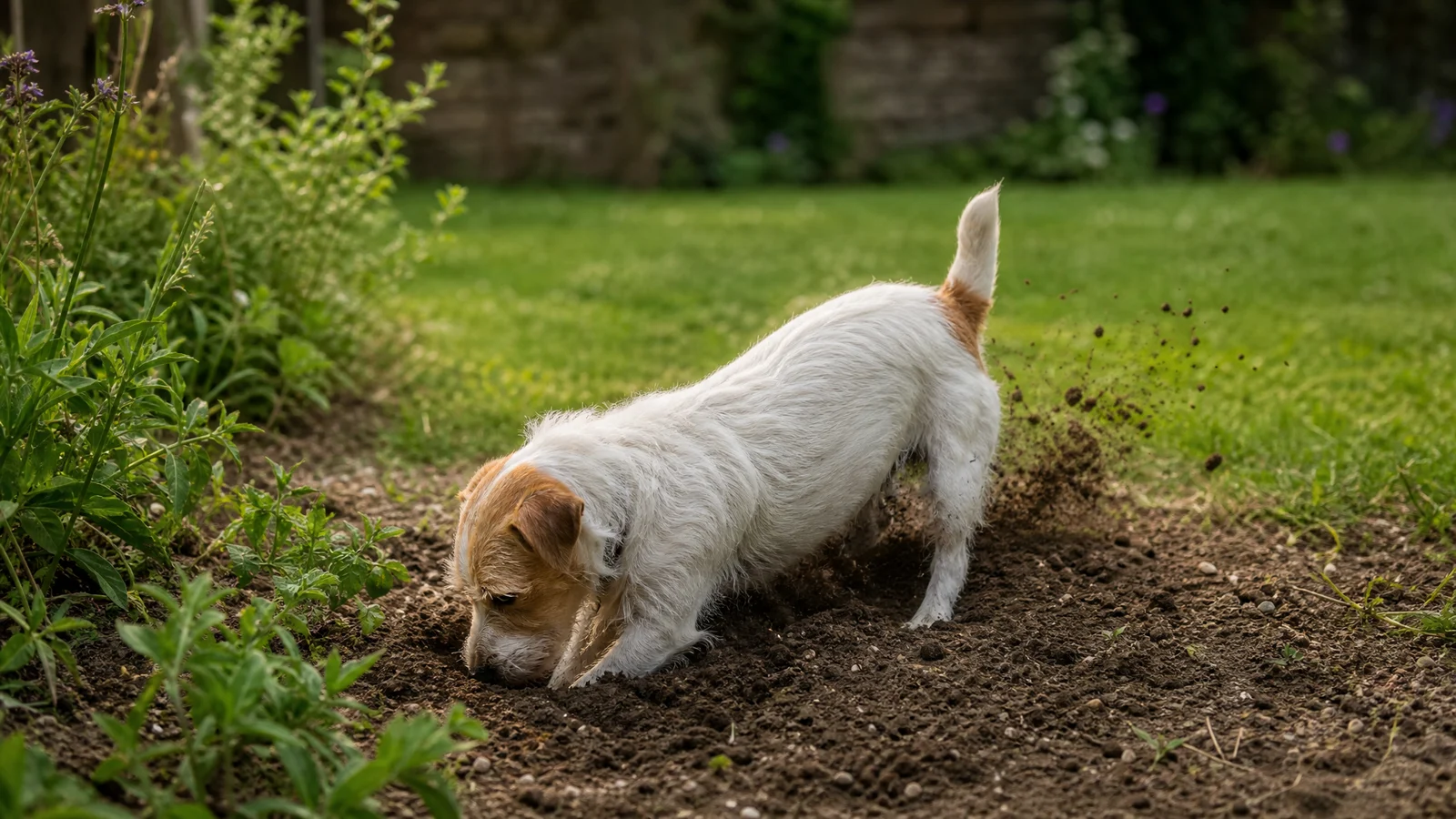 BehaviorWhat to Do When Your Jack Russell Terrier Digs Up the Yard
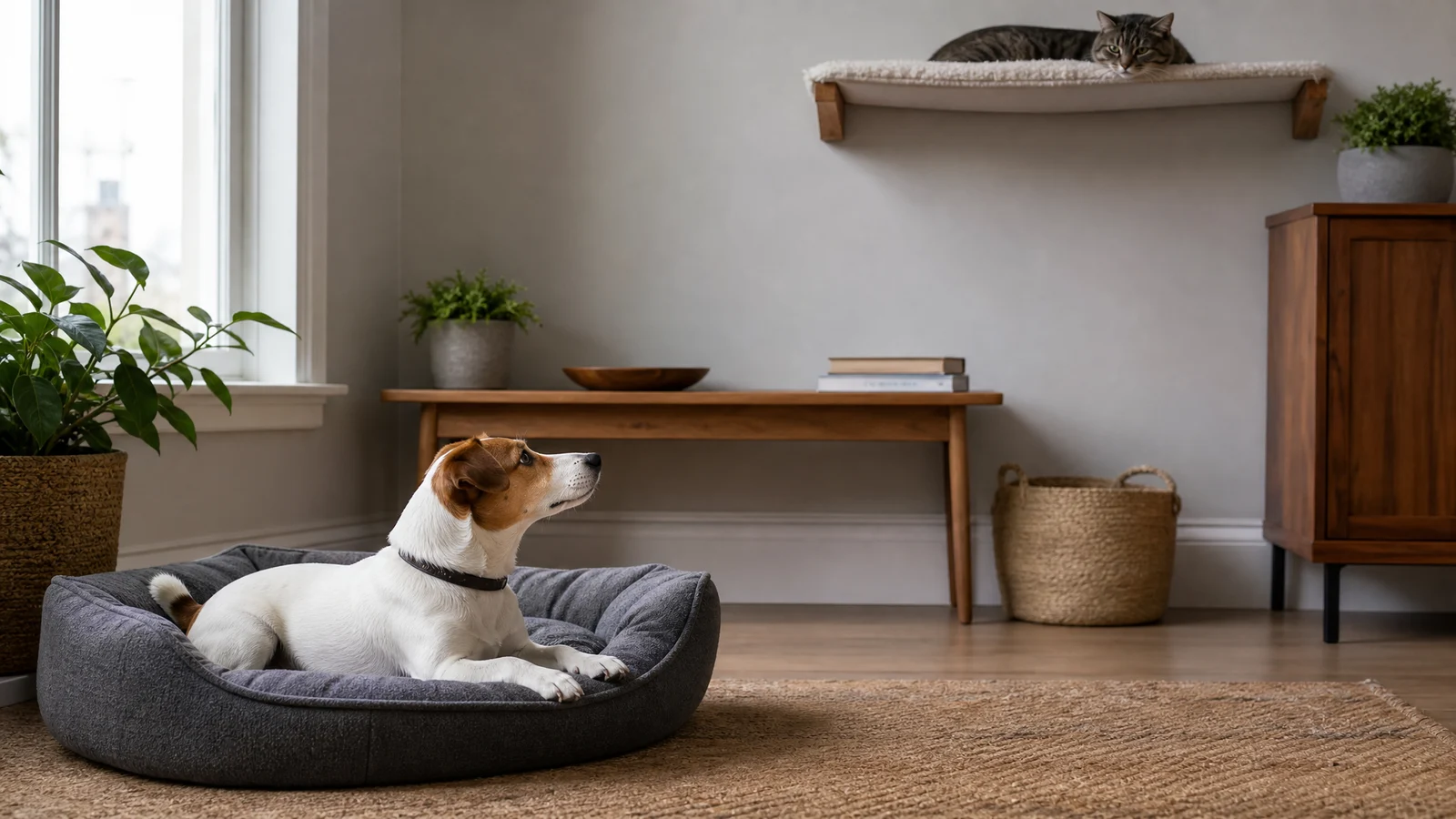 BehaviorJack Russell Terrier and Cats: What Training Can and Can't Do
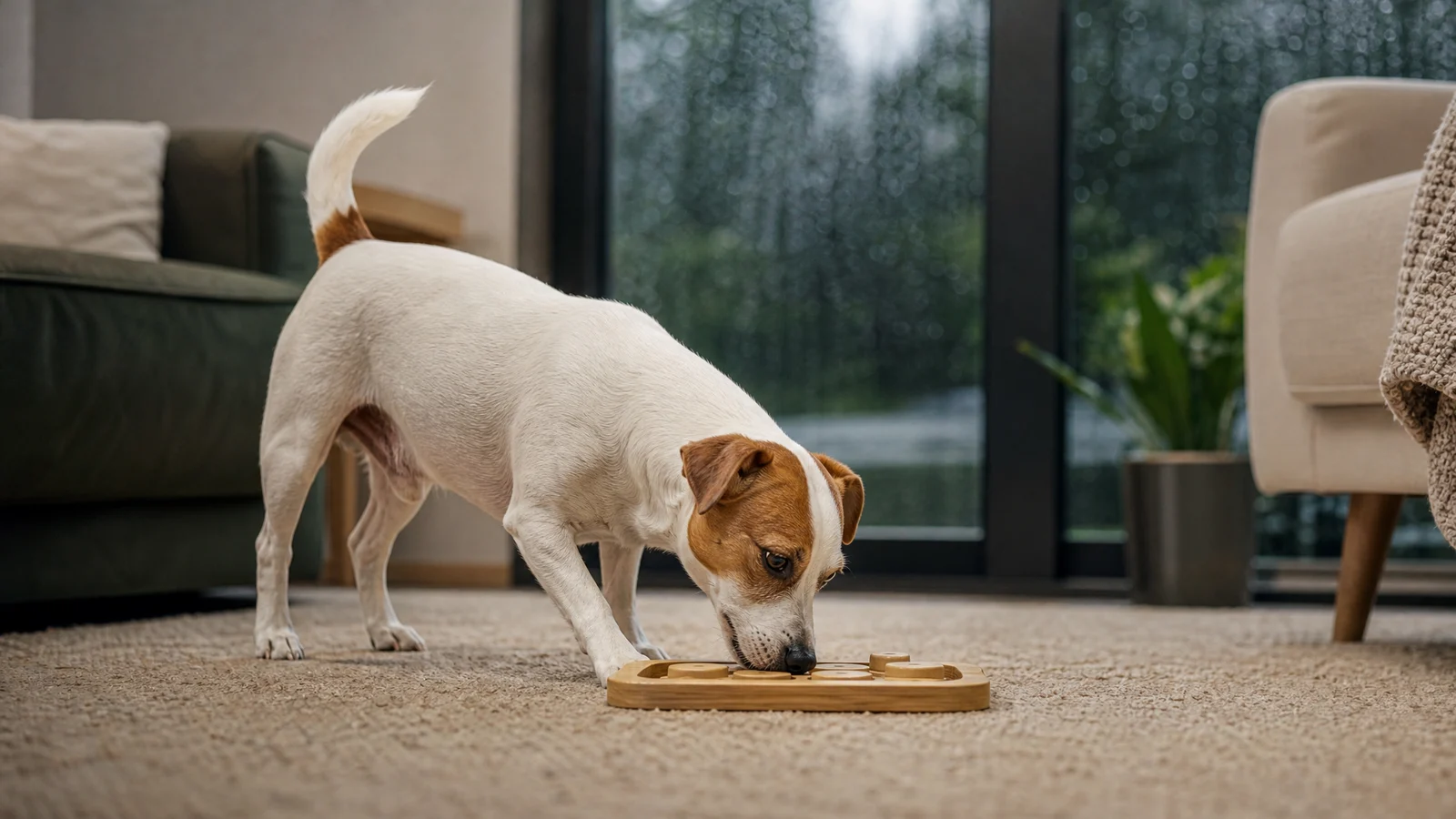 Exercise and jobsRainy Day Jobs for a High-Energy Jack Russell Terrier