 Jack Russell
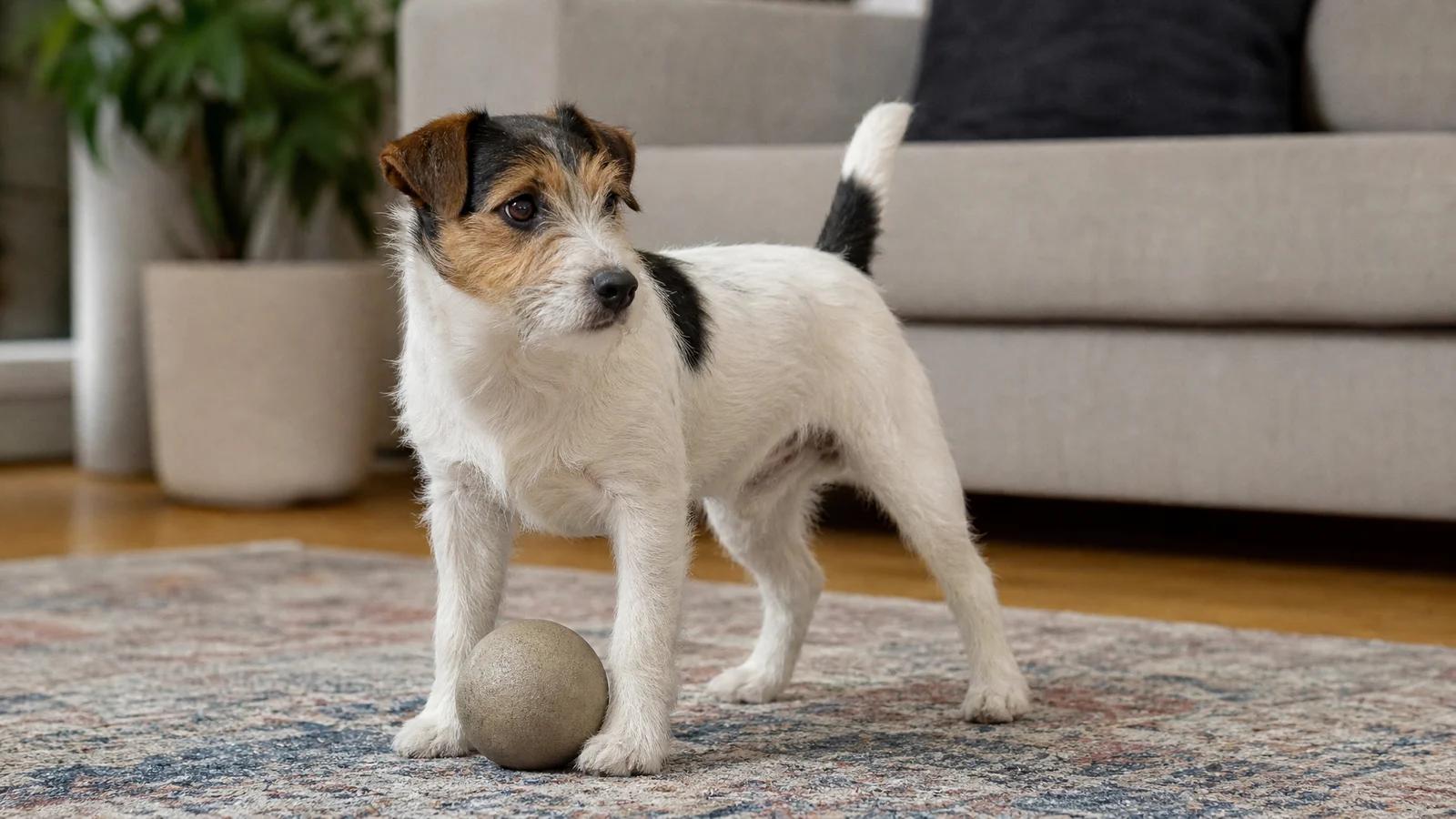
Stillness over a toy is not an invitation to a staring contest. In a Jack Russell Terrier, the pause, lowered head or fixed eyes may be the first visible sign that losing the object feels likely. Reaching closer at that moment can turn quiet concern into a growl, snap or bite.
Below, we use five movements instead of a generic trade ladder. We read the possession temperature, assign safe family roles, build returnable exchanges, change approach and found-object difficulty one variable at a time, and stop home practice when risk exceeds the cool-object lesson. The arrangement keeps family safety distinct from planned training, so a child or visitor never becomes part of a rehearsal.
Read Jack Russell Terrier Toy Guarding
Watch the whole dog before looking at the object. A slower chew, closed mouth, weight over the toy, sideways glance, lowered neck or sudden stillness can appear before vocal warning. The ASPCA's warning guidance notes that dogs rarely bite without some signal, even when the interval is very short.
Distance is the first safety response. Stop approaching, turn the body slightly away and let the dog keep space. Do not ask a child to trade, touch the toy or prove the dog knows a cue.
Growling supplies information. Ending the approach protects that communication and prevents the person from adding pressure. Record the object, room, people present and what happened immediately before the freeze.
Keep regular veterinary visits current. Dental pain, orthopedic discomfort, changes in vision or other health problems can alter how a dog responds around possessions. A new guarding pattern or sudden increase deserves a veterinary conversation.
The Jack Russell Terrier Club describes dogs without suitable outlets as likely to invent their own jobs, including possession guarding. That context supports purposeful routines, but it does not justify taking objects by force.
Map Jack Russell Terrier Guarding Toys by Temperature
Create the map when the dog is elsewhere. List ordinary toys, food-filled objects, found items and anything associated with previous tension. The category describes current concern, not the monetary value of the object.
| Temperature | Dog's current response | Household action |
|---|---|---|
| Cool | Loose body, leaves easily, welcomes approach | Possible practice object with adult supervision |
| Warm | Hovers, carries away, speeds up chewing or watches hands | Manage access and increase distance |
| Hot | Freezes, growls, snaps or has bite history | Do not practice, and contact a qualified professional |
Map locations as well as items. A toy may stay cool in an open room and become warm beneath furniture where the dog feels cornered. A found tissue may matter more when a person rushes across the room.
Update the map after each meaningful event. An object does not move to cool because one exchange worked. Look for repeated loose behavior, easy disengagement and voluntary return over several sessions.
Note what the dog was doing with the object. Resting beside a toy, actively chewing and carrying it through a doorway can produce different responses. The map should preserve those contexts instead of giving one permanent rating to the item.
Include people as a separate column in the household copy. An object may remain cool with one familiar adult and become warm when another person approaches. Nobody should use another handler's success as permission to close distance.
The UKC breed description calls the Jack Russell bold, active and alert. Quick decisions are part of the practical picture, so people need rules they can follow before the dog is worried.
Family Roles Around Guarding Toys. One adult manages all planned practice at first. Another adult can prepare food, move children or open a barrier. Clear roles prevent several people from approaching while each assumes someone else is reading the dog.
Children and Guarding Toys
Children never retrieve objects from the dog's mouth or resting place. Teach them to stop, step away and call an adult. Put toys away before active child play begins if dropped items are likely to create confusion.
Use gates or closed doors to create real separation. Verbal reminders are not enough when children, visitors and a fast terrier share a busy room. Adults control access before the object appears.
Visitors and Guarding Toys
Store warm and hot objects before visitors arrive. Give the dog a quiet area with an appropriate activity only when the dog has used that area comfortably. Tell visitors not to approach, tease or reach toward possessions.
If a visitor drops something, move people away first. An adult can call the dog behind a barrier using a familiar cue and reward, then collect the object after separation. The aim is safe recovery, not a public training demonstration.
Household rules should remain simple and consistent across adults. Post them where a visitor or caregiver can read them before the dog receives a toy:
- Adults manage practice and found objects.
- Children and visitors create distance and call an adult.
- Warm and hot objects are not used for casual tests.
- Barriers are prepared before high-activity periods.
- Everyone records new warning signals without blaming the dog.
Practice Jack Russell Terrier Toy Guarding Exchanges
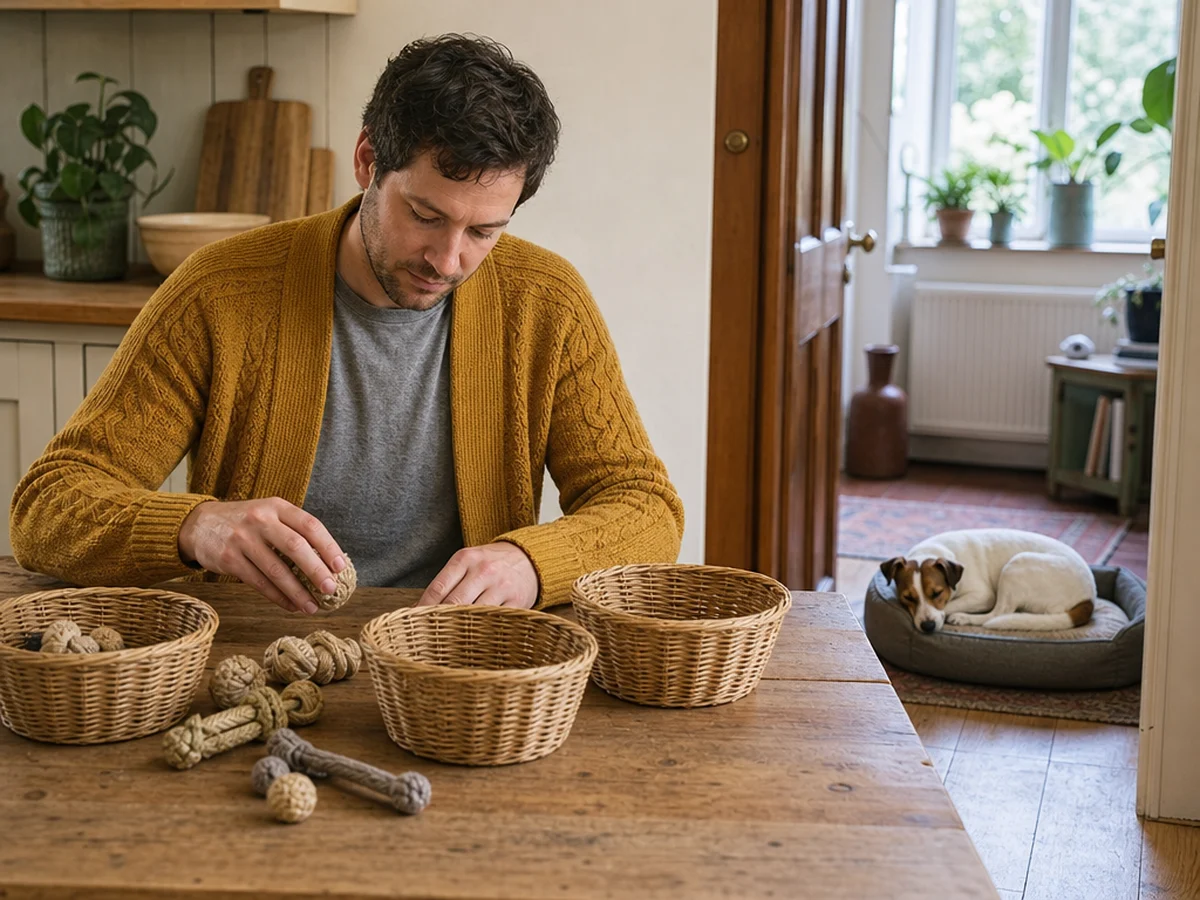
Choose a cool object the dog enjoys but can leave without tension. Practice in open space with no child, visitor or second animal present. Keep the first session brief enough that the dog never needs to protect access.
Allow a short period of play. Approach only to the distance where the body stays loose, toss a valuable food reward away from the object and wait for the dog to move. Pick up the toy while the dog eats, then return it promptly when it remains safe.
The return changes the prediction. If every exchange ends the game, the dog may learn that human approach always removes value. Returning a cool toy lets release lead back to play.
Add the Release Word After the Return
Add a release word after the movement is predictable. Say the word once as the mouth opens, then deliver the reward. Do not repeat the cue while moving closer, because that combines language with pressure.
End by trading for food, putting the toy away after the dog has moved and starting another ordinary activity. A clean ending is different from grabbing the object when the dog appears distracted.
Use food pieces small enough to finish promptly and count them within the dog's ordinary diet. Place the reward away from the toy rather than reaching over the dog's head. The movement creates room for the adult to handle the item without crowding.
Keep a session record with the object, starting distance, release response and body language after the toy returns. If return makes the dog grab more urgently, the exercise may have become too exciting. Choose an easier object or end after the next calm exchange.
Use the site's broader guide to Jack Russell Terrier socializing for calm household exposure. Here, the map decides whether the object belongs in possession practice at all.
Change Human Approach During Guarding Toys Practice
Change one approach feature at a time. The adult can begin seated rather than standing, move one step rather than crossing the room or toss the reward from farther away. Keep the object and room constant while testing that single difference.
Read behavior between rewards. A dog who eats but immediately covers the toy may be enduring the approach rather than becoming comfortable. Increase distance and return to the last version that produced loose movement.
Movement Without an Exchange
Practice departures too. Walk past at a safe distance without reaching, drop food and continue away. The dog learns that a person can enter and leave the area without starting an exchange.
Change direction as a separate feature. A person approaching head-on can feel different from someone moving across the room. Begin with the angle that produces the loosest response and avoid looming over the dog.
Add ordinary hand movements only after walking past is easy. Pick up a cup or fold a blanket at a safe distance without reaching toward the possession. Reward relaxed observation, then leave the area before concern appears.
Do not add a second dog to the exercise. Multi-dog possession concerns need separate management, space and professional planning. Feed and provide high-value objects in separated areas.
Vary the adult only after the dog has a strong history with the first handler. The new person begins farther away and uses the same predictable movements. Familiarity with the exercise does not automatically transfer to unfamiliar hands.
Found Objects and Guarding Toys
A found object can become hot instantly because a person's urgency changes. Avoid pursuit. Close access to other rooms, move children away and bring valuable food to a distance where the dog can notice it without a person reaching in.
Scatter several food pieces away from the object when the item is not immediately dangerous. Guide the dog behind a barrier, close it and then collect the item. Management protects the dog while planned exchanges are still limited to cool toys.
If the dog may have swallowed something unsafe, contact the veterinarian promptly. Tell the clinic what the object was, how much may be missing and when it happened. Do not wait for behavior practice to solve an ingestion risk.
Reduce future access by using closed storage, covered trash and clear floors. The related guide to Jack Russell behavior problems addresses legal chewing work. Storage remains necessary even when exchange skills improve.
Record whether the dog carried the item away, froze immediately or relaxed once people backed up. Those distinctions help a professional understand whether movement, proximity or the object itself changed the response.
Prepare an emergency contact plan before a dangerous object appears. Keep the veterinary clinic number available, know where barriers are and make sure every adult understands that swallowed batteries, household chemicals or sharp items require immediate professional guidance.
Move Jack Russell Terrier Toy Guarding Beyond Home Practice
Seek a veterinarian and a qualified reward-based behavior professional after a bite, snap, repeated growl, rapid escalation or guarding that includes spaces and people as well as objects. Use barriers and prevent access to known hot items while help is arranged.
Bring the temperature map and event notes. The sequence before the warning matters, including who approached, where the dog could move and whether another animal was present. Honest detail supports a safer plan.
Do not use a successful cool exchange to test a hot object. The next useful step is often better management, not greater difficulty. When release repeatedly predicts space, reward and sometimes the safe return of a toy, the household builds trust without asking the terrier to surrender every possession on demand.
 Training basicsIf a Jack Russell Terrier Spots Prey, Here Is How They Come Back
 BehaviorWhen a Jack Russell Terrier Picks Fights: Teaching Calm
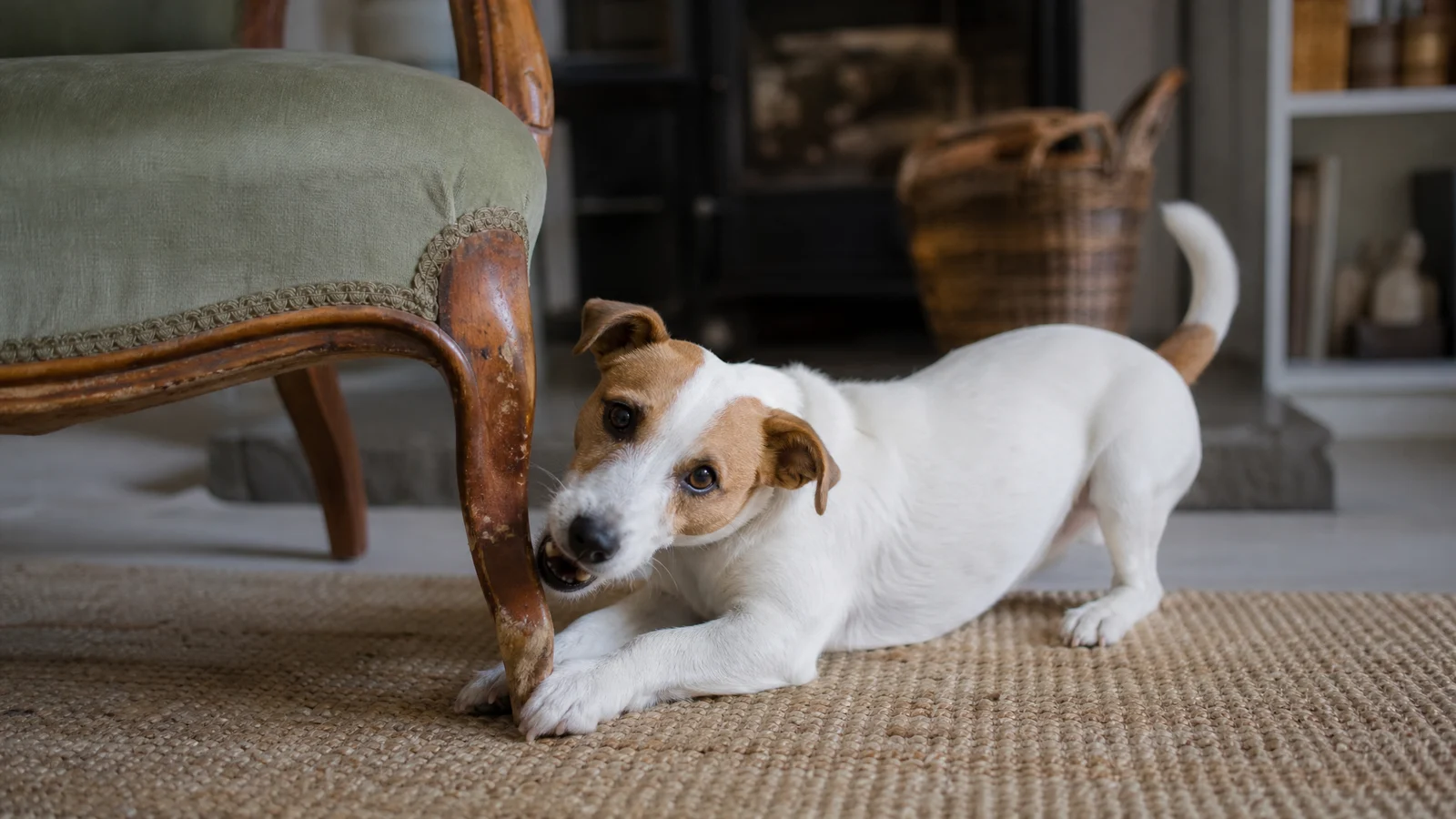 BehaviorA Bored Jack Russell Terrier Invents Jobs, So Offer Chews