 Jack Russell
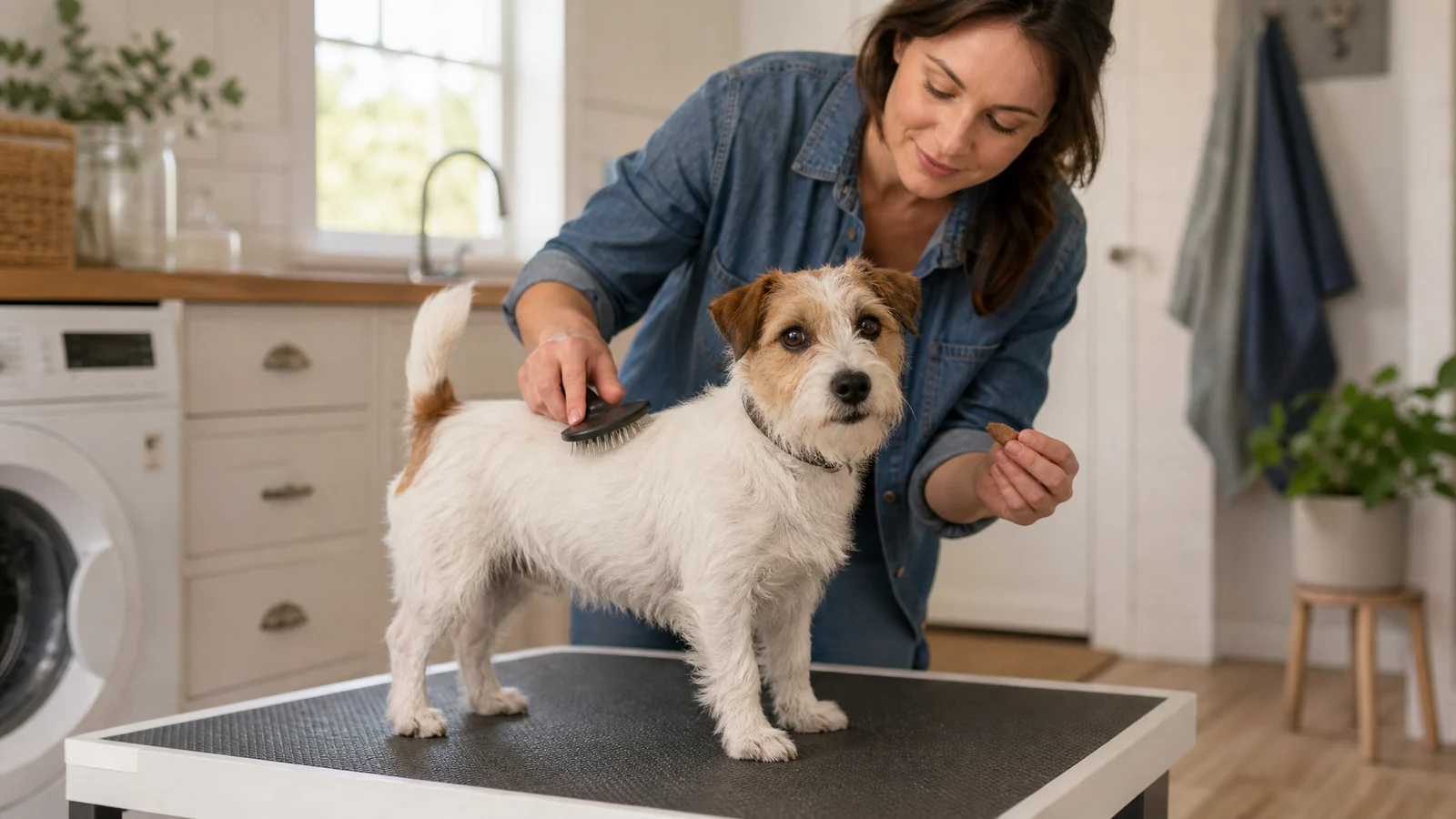
Start handling a wirehaired Jack Russell puppy in the first days at home, well before the coat needs any real work. The coat changes as the puppy grows, and the adult coat settles in after adolescence. By then brushing should be routine, a few calm minutes your dog expects rather than a wrestling match.
Many Jacks accept handling well, and the ones who do usually learned early that hands and tools predict treats. This guide covers grooming a wirehaired Jack Russell Terrier, from the coat itself and a simple home station to first brush strokes, shed hair, and gentle work on paws, ears, and nails. We have trained this breed for many years, and we plan grooming in small stages that each earn the next.
The payoff is practical. A busy terrier handled badly learns to squirm and bolt, while one handled well accepts the vet's hands, the groomer's table, and a quick wipe-down after a muddy walk.
Wirehaired Jack Russell Terrier Coats
Walk through a terrier trial or any busy park and you will see wiry, rough, and nearly smooth coats on dogs who are all Jack Russells. The parent club says the breed may vary in coats, markings, type, and personality, and that all are real Jack Russell Terriers. A wirehaired coat is one good version of a varied breed, and the plan below works the same way for rough and smooth coats.
The official numbers are modest. The AKC rates shedding at 3 of 5 for the Russell and 2 of 5 for the Parson, where 3 means moderate. Coat grooming frequency is 2 of 5 for both, on a scale where 1 is monthly and 3 is weekly. Drooling is rated 1 of 5, so the mess you manage is mostly loose hair and trail dirt. The coat will not demand daily work, which means the brushing you do in the early months is mostly training.
It helps to plan the coat in stages, because each one asks for something different from you:
- In the first weeks at home, the job is hands-on handling only, with no tools and no pressure to get anything clean.
- While the puppy coat gives way to the adult coat, expect it to look different or a little uneven, and expect dogs to vary in when that happens.
- After adolescence the adult coat is in place, and a brief weekly brushing is plenty for most dogs.
Because the standard describes an active terrier built to go to ground, expect a dog who comes home dirty. A calm wipe-down habit pays off for years.
Setting Up Your Grooming Station
A young Jack placed on an unfamiliar surface will usually survey the room before agreeing to anything. That curiosity is part of the breed, and the Parson Russell standard asks for a ready attitude, alert and confident. A good station gives that attitude somewhere calm to land.
The Spot and the Tray
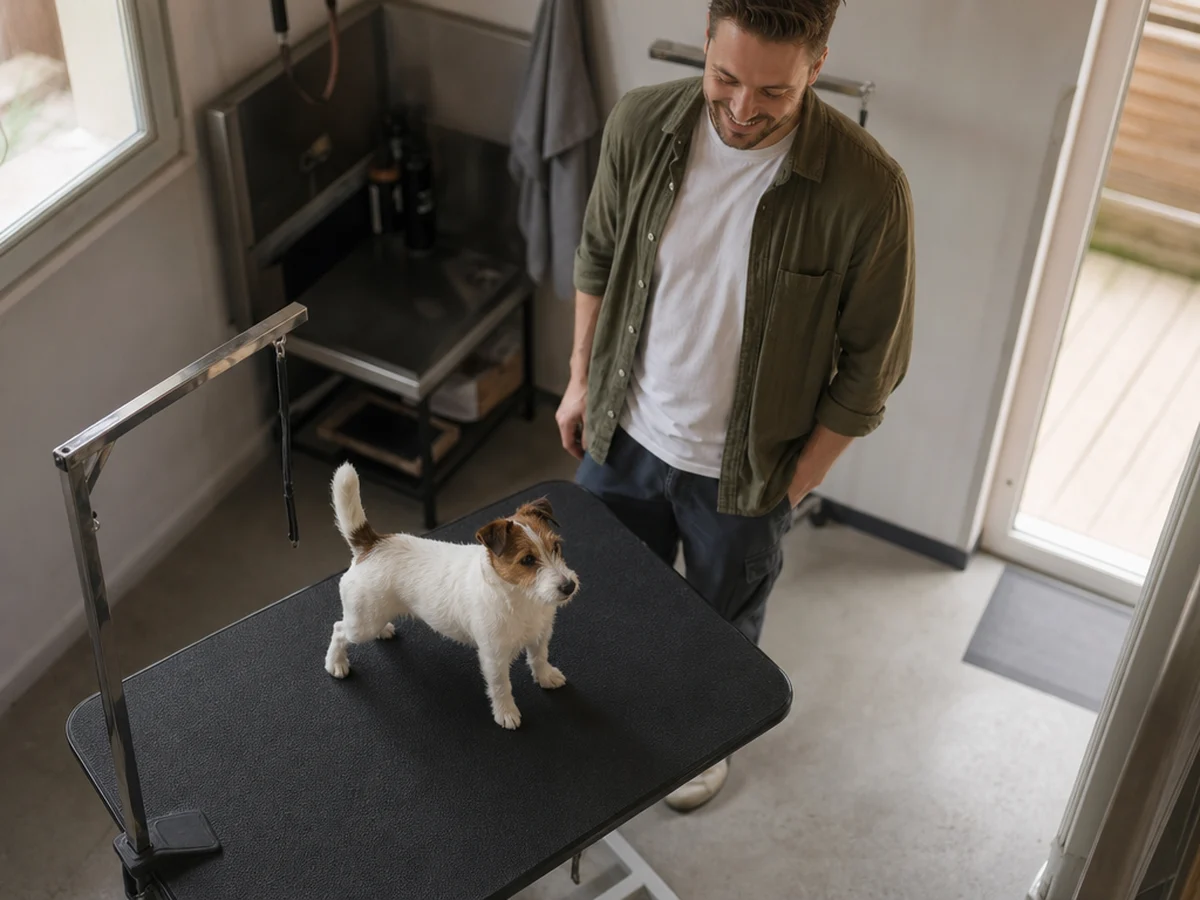
Pick a single spot for every session. A non-slip mat on the floor works well, and a low, stable table is optional. Keep a small tray within reach holding a soft brush, a fine comb, a towel, your nail tools, and a bowl of tiny, soft treats. A terrier will not wait while you hunt for the comb, so lay everything out before the dog arrives.
Choose a marker word, like yes, and say it at the exact moment your dog does something right. Follow it with a treat. Over time the word becomes a small promise, so you can reward a calm moment while both of your hands stay busy with the brush or comb.
Timing and the Tub
Groom after a walk or play session, not before. Energy and playfulness both rate at the top of the scale for this breed, so a dog with fuel to burn will treat the brush as a toy. Some Jacks stay lively regardless, and that is fine. Finish while the dog is still cooperating.
Set up bath time the same way. Many Jacks dislike climbing into the tub but relax once warm water starts, and some owners credit the warm spray on the belly. Reward the entry and let the pleasant part do the work. Afterward some dogs burst around the house, while others zoom for only about five minutes. Clear a safe space to run and treat it as a normal outlet, not misbehavior.
Grooming Touch Before Any Brush
Owners often describe Jacks who are calm for nail trims and grooming in general. That calm is rarely luck. It usually comes from hands that meant something good from the first week. Stage one is built on that idea, and no tool appears yet. Affection toward family rates at the top of the scale for this breed, so your hands are already welcome.
Sit with the dog on the mat and touch one area at a time, rewarding right after each touch. Work through the sequence below, moving on only when the dog stays loose and interested.
- Rest a palm on the shoulder for a moment, mark the calm with your word, and follow it with a treat.
- Stroke down the back and sides with a slow, open hand, then reward.
- Lift one paw briefly and set it down, rewarding the lift before the dog pulls away.
- Cup the muzzle and glance at the ears, then reward the stillness.
- Run a hand along the belly and legs, where a wiry coat most often hides dirt.
If the dog squirms or mouths your hand, the step was too big. Shrink it and reward the smaller piece. Animal welfare guidance favors low-stress handling with minimal restraint at the vet or groomer for exactly this reason. A dog held tight learns to dread hands, while a dog who is free to leave learns to stay.
Spend a week or two on this stage, in several short sittings a day. Every extra day of touch work costs you almost nothing, while skipping it can cost weeks of repair once the brush appears.
Brushing Your Jack Russell Terrier
The first time a brush touches a Jack, expect a sniff, a paw swipe, and an attempt to carry it off. That is a clever terrier investigating something new, not defiance. Stage two lets the dog meet the brush as a harmless object that predicts treats, then turns it into routine.
The First Strokes
Let the dog sniff the brush, reward the sniff, and set the brush down. Next, make one gentle stroke along the shoulder, in the direction the coat lies, and reward at once. Use the softest brush you own and light pressure. A wiry coat feels stiff under the hand, but it does not need force to be tidied.
Stop after a few strokes while the dog is still happy. Quitting early is a trade-off worth making, because a session that ends well makes the next one easier to start. If the dog grabs the brush, offer a chew or toy in your other hand and resume once the mouth is busy elsewhere.
Building Duration
Add length slowly, moving from a few strokes to a longer pass, then to a full side of the body. Begin with a treat after every stroke, then stretch the gap until a treat arrives every few strokes. Reward steadiness, not wiggling, and the dog will learn which one pays.
When the dog gets bored or bouncy, take a short break or end the session. A pause is a mild, reward-friendly consequence, and it teaches that calm keeps the fun going. Over several weeks you should be able to brush the whole coat, including the chest, belly, and hindquarters, without a fuss. Finish each session with the fine comb, which also gives you a close look at the skin.
Jack Russell Terrier Shedding Care
Many owners keep a cordless vacuum charged and ready, and that is a sensible answer to a breed that sheds at a moderate level in small, steady amounts. Shedding care and handling practice work best together. The same short session that builds cooperation also removes loose hair before it lands on the couch.
Weekly Care
A short, rewarded brushing each week is enough for most wirehaired coats, in line with the weekly mark on the grooming scale. Work along the body with the soft brush, then finish with the comb to catch loose hair around the neck and the backs of the legs. Park the vacuum near the mat so cleanup takes a minute rather than a chore.
Regular vet visits are the natural place to ask about skin and coat condition. Your vet can tell you what is normal for your individual dog, and anything that looks unusual deserves a professional look.
Heavier Shedding Weeks
Some seasons bring more loose hair than others, and individual dogs differ in how much. When the volume rises, add extra short sessions through the week instead of one long one. Terriers lose patience quickly, so several brief brushings beat a single marathon, and each one is another small deposit in the cooperation bank.
A common tip is to bathe often to control shedding. For this breed, brushing does more of the work, and frequent baths add wet-dog chaos without much gain. Brush before the bath so the coat is clear, then reward getting in, staying in, and getting out. Afterward, clear the floor and let any zoomies run their course.
Grooming Feet, Ears, and Nails
Feet are where many Jacks object, because paws are sensitive and terriers like to keep them under their own control. That makes this the last stage, resting on all the touch work already done. A dog who has learned to offer a paw for a treat finds the nail trim far less strange, and a dog who has never had a paw held will let you know.
Paws and Nails
Rub a hand up and down each leg and gently press each toe, with plenty of praise and treats. After daily foot massage for a week or two, the dog should be more comfortable with a nail trim. Then introduce the clippers or grinder the way you introduced the brush. Let the dog look and sniff, reward, touch the tool to a nail, and reward again.
Your first real trim should be one nail, followed by a small celebration and the end of the session. Do the rest on later days. Spreading nails across a week costs you patience now and saves a dog who dreads the tool later.
Ears and Muddy Feet
For ears, lift the flap, look inside, and reward. Keep it to a quick check and a treat. After muddy walks, wipe the paws and reward as you go, so feet stay familiar territory for your hands. Do the same for the belly and legs, where dirt collects on a dog who spends the day exploring.
Grooming Questions Owners Ask Next
Once the brush is routine, owners tend to move on to bigger questions, and the answers keep returning to one approach. These come up most often, each with the direction it points.
- How often should a wirehaired Jack be bathed? Brush first, bathe when the dog is truly dirty, and reward every part of the routine.
- What if the dog pulls away during nail trims? Go back to foot massage, trim one nail at a time, and let the dog end the session on a treat.
- What about a puppy who mouths the brush? Offer a chew in your other hand and shorten the session.
- How do you keep the house tidy in heavy shedding weeks? Add short extra brushings and keep the vacuum charged.
In each case, go back one stage, make the step smaller, and reward the calm. This breed is clever, energetic, and quick to read a pattern, so grooming works best when it is brief, rewarded, and predictable. Short sessions after exercise suit that temperament, and stopping while the dog is still willing keeps the habit healthy.
The lesson is patience in the early months. A Jack handled this way grows into an adult who tolerates the table, the tub, and the clippers without drama, and the coat stays easy to care for across the years.
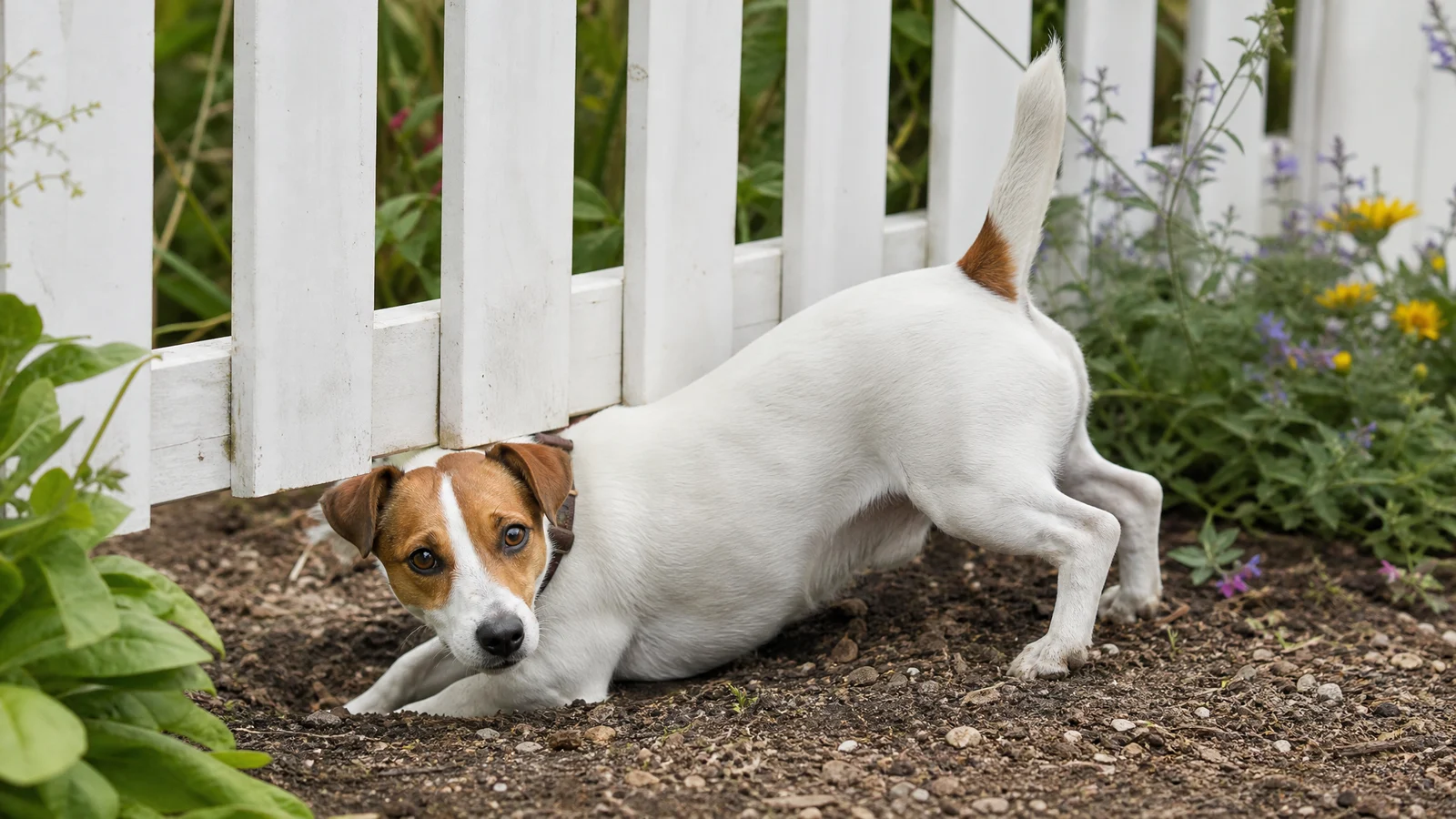 BehaviorJack Russell Terriers Who Slip Under and Over the Fence
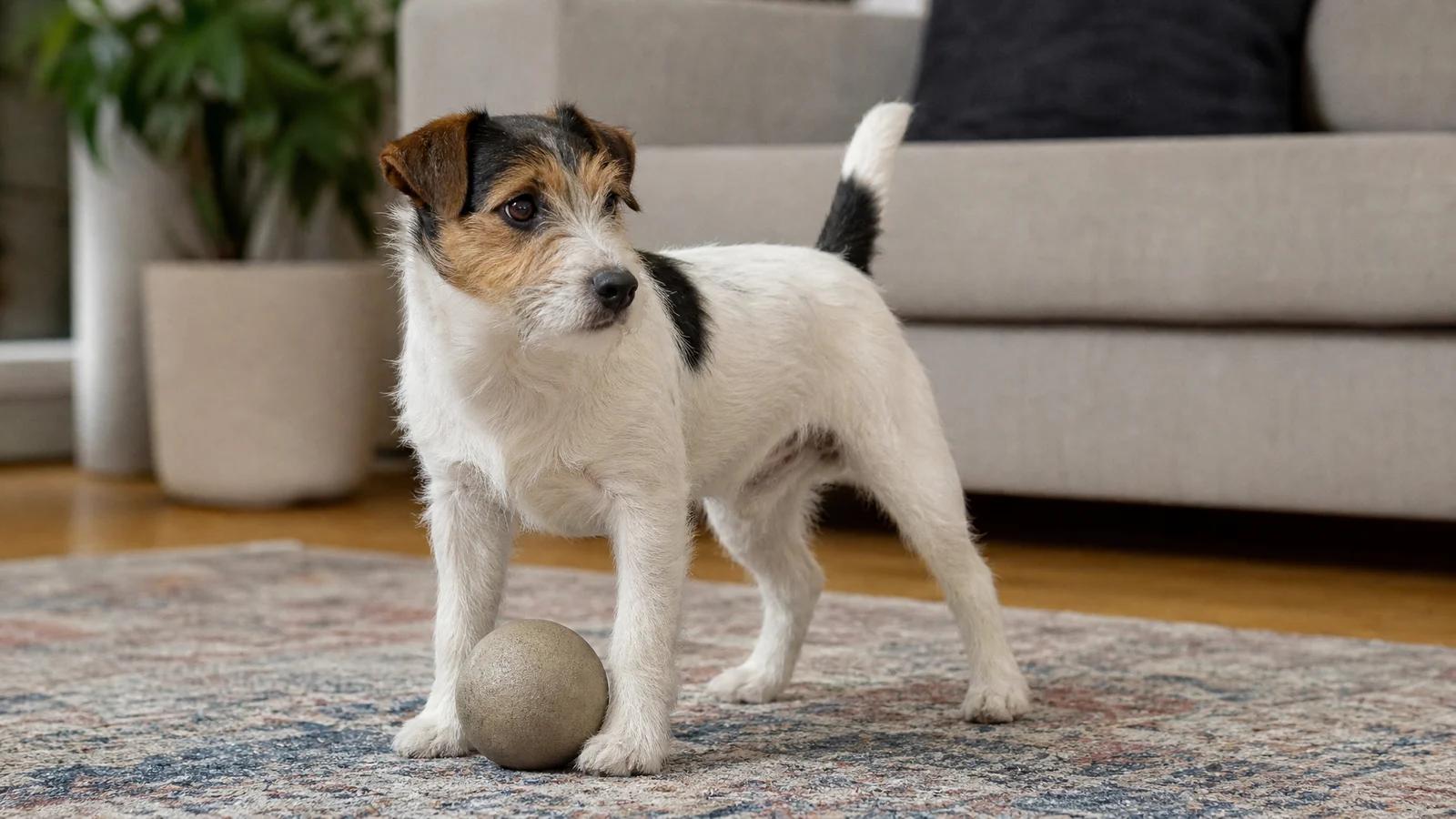 BehaviorWhen a Jack Russell Terrier Freezes Over a Toy: Trade Games
 Training basicsIf a Jack Russell Terrier Spots Prey, Here Is How They Come Back