 Jack Russell
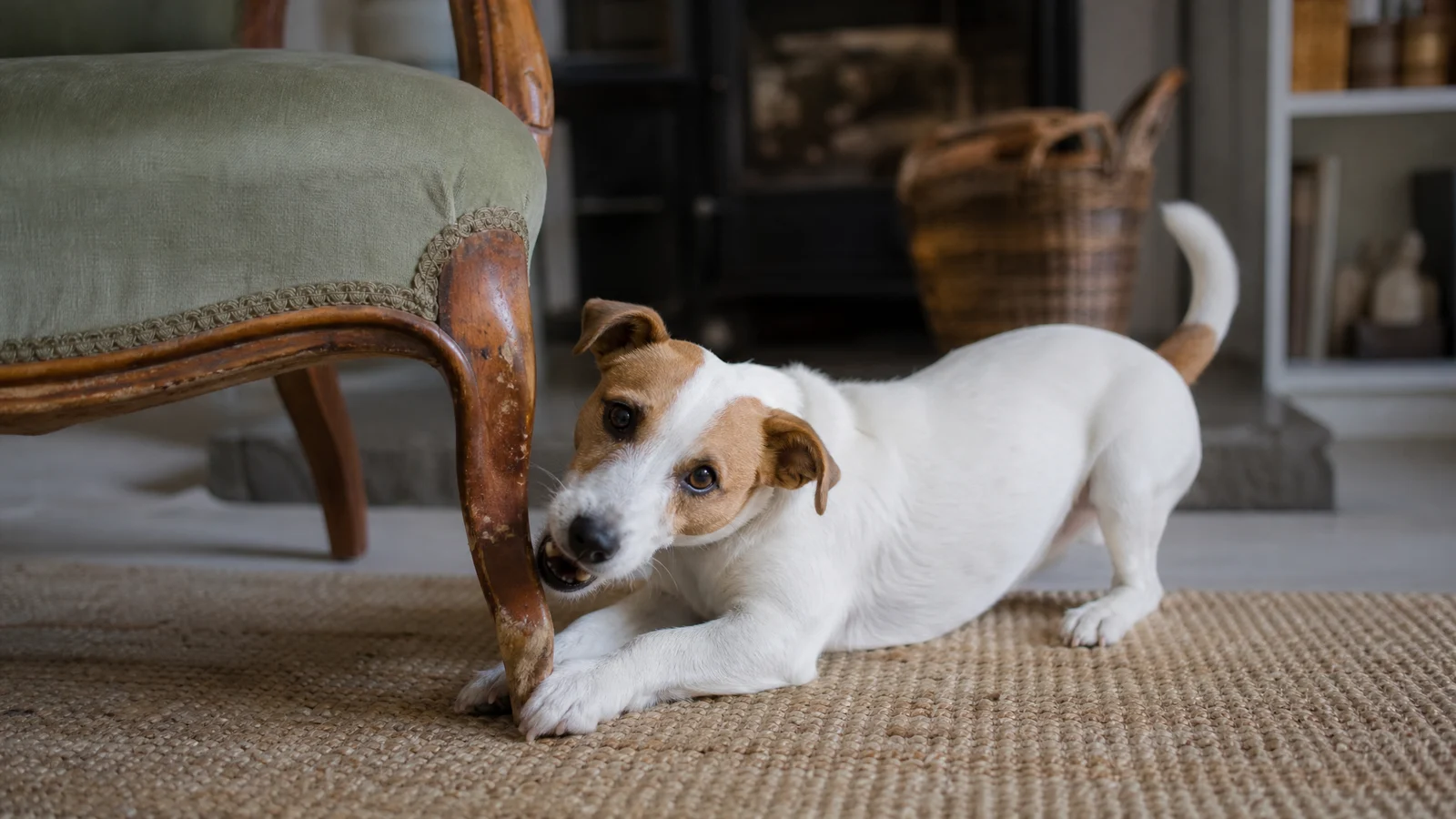
A torn cushion, a scored table leg and a chewed door frame look like one behavior problem from across the room. The evidence may tell three different stories. The cushion may follow an unsupervised burst of play, the table leg may appear during quiet evening chewing and the door frame may be damaged only when people leave.
Below, we work through five case files rather than assume every damaged object means boredom. We open the incident record, secure the room, run one controlled comparison, match legal materials to the evidence, and close the log only after dangerous chewing has been ruled out. The order keeps access and ingestion risk ahead of enrichment guesses.
Open the Jack Russell Terrier Behavior Problems Case
Photograph the damaged area before cleaning when that is safe. Record the time the item was last known to be intact, who was home, where the dog had access and what activity happened beforehand. Do not recreate the event or display the object to the dog later.
PDSA explains that chewing is natural for puppies and adult dogs. The investigation is not trying to eliminate every chew. It identifies why this location and object became available, then makes an appropriate choice easier.
Start one line per incident. Use observable facts such as lower left chair rung, thirty minutes after dinner or alone for fifteen minutes. Avoid labels such as naughty, vengeful or guilty. Those labels do not reveal which barrier, schedule or chew choice needs changing.
Check the dog's mouth and body without forcing handling. Bleeding, broken teeth, repeated swallowing, vomiting, abdominal discomfort, lethargy or missing pieces can require urgent veterinary advice. Keep regular veterinary visits current, and ask about a sudden increase in chewing or eating non-food material.
Veterinary note: Chewing can involve dental pain, digestive risk or another medical concern. This guide cannot diagnose a cause. Contact a veterinarian promptly if material may have been swallowed or the behavior changes suddenly.
Separate Behavior Problems by Time and Place
Sort incidents by context before changing the daily routine. The table is a first-pass organizer, not a diagnosis. One dog may have entries in several rows, and each row deserves its own prevention plan.
- During active family time: Question to ask: Was the dog seeking a job or contact?. Immediate change: Block the item and provide a station. Useful comparison: Safe chew near the family.
- Only when alone: Question to ask: Were pacing, vocalizing or accidents present?. Immediate change: Prevent access and record departures. Useful comparison: Very short absence below distress.
- After high activity: Question to ask: Could the dog settle afterward?. Immediate change: Add a quiet transition. Useful comparison: Chew in a low-traffic rest area.
- Same material repeatedly: Question to ask: What texture or position is attractive?. Immediate change: Cover or remove that material. Useful comparison: Approved item with a related texture.
The ASPCA notes that separation-related chewing often happens during absences and may occur with barking, pacing or house soiling. Damage near exits is not proof by itself. A camera and a departure log give a professional more useful evidence.
The Jack Russell Terrier Club of America describes dogs who invent jobs when natural interests have no suitable outlet. The club's breed overview supports offering purposeful engagement, but activity alone does not explain every incident. Timing still matters.
Compare weekday and weekend entries. A pattern that appears on busy mornings may reflect rushed access to the room, while an evening pattern may follow a long stretch without rest. The calendar can expose a household transition that the damaged object cannot show.
Also record what did not happen. A chair left untouched during a calm supervised hour is useful evidence. Note the available chew, the family location and whether the dog had already eaten, played or rested. Successful conditions become the starting plan.
Secure the Scene Before Behavior Problems Repeat
Move the dog to a safe area while splinters, stuffing, cords or loose fabric are removed. Block access with a closed door, sturdy gate or rearranged furniture. A bitter product is not a substitute for removing electrical, toxic or swallowable hazards.
Get down to the dog's level and scan the whole route. Chair rungs, rug edges, remote controls and children's objects may be reachable even when the main damaged item is covered. Put laundry, shoes and waste containers behind closed storage.
Use confinement only in a space the dog already experiences comfortably. A crate should not be introduced by placing an aroused dog inside for a long absence. The objective is a predictable safe zone with room to rest and access only to items confirmed safe for that dog.
Supervision means an adult can interrupt access before chewing begins. When direct supervision ends, the room setup changes. A lightweight indoor leash may help during active teaching while an adult holds or monitors it, but never leave a line attached to an unattended dog.
AVSAB's humane training statement recommends reward-based methods for behavior problems. Show the dog which available action pays. Correcting damage after the event cannot teach a choice that was never present at the scene.
Test Jack Russell Terrier Behavior Problems With Safe Choices
Choose two veterinarian-approved items with different textures. Place them several feet apart in a clear room while the dog is calm. Let the dog approach without pushing either item toward the mouth. Record the first choice, duration and whether pieces begin to loosen.
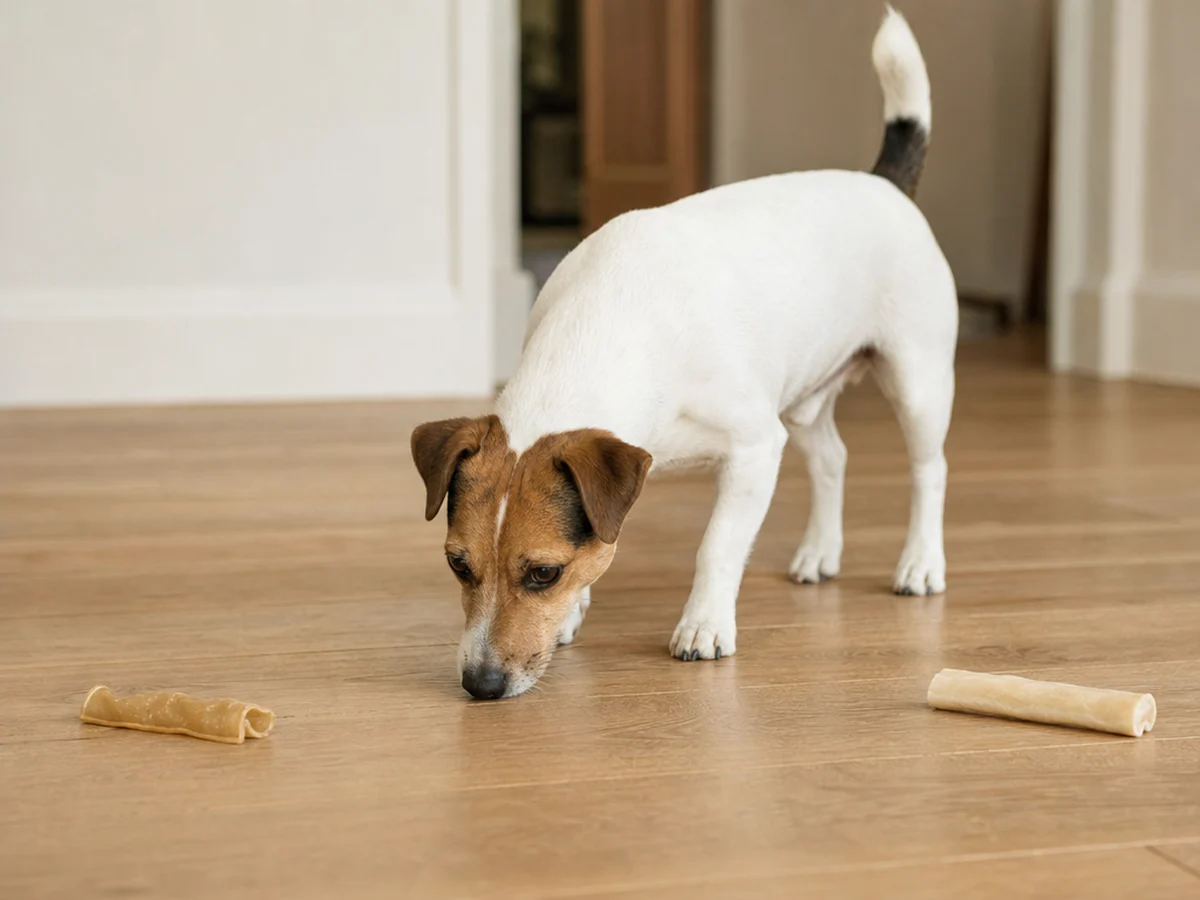
Repeat on another day with positions reversed. A single choice may reflect location or novelty. Several short tests reveal whether the dog prefers a flexible item, a food-filled rubber item or another safe design.
Size every item so the dog cannot swallow it whole. Inspect before and after use. Remove anything cracking, fraying or losing chunks. Supervision level should match the dog's history, not the product label alone.
Make the approved choice easy to find where incidents usually start. Reward the dog for approaching and settling with it. If the dog returns to furniture, calmly block access and guide them toward a different activity without chasing around the room.
The UKC calls the Jack Russell Terrier a bold and active working terrier. Rotate a small set of safe choices instead of covering the floor with every toy. Rotation lets the household notice which item actually supports calm chewing.
Build a small delivery ritual. Bring the dog to the mat, place the chosen item down, mark the first calm contact and sit nearby for a moment. When the session ends, trade for food and inspect the item. Predictable beginnings and endings reduce wandering with a damaged chew.
Match Jack Russell Terrier Behavior Problems by Material
The aim is not to copy a hazardous object exactly. Use the evidence to identify a safe property, such as resistance, coolness, movement or a place near people. The approved item must still suit the dog's teeth, size and chewing style.
Test Wooden Furniture in the Behavior Case
Block access to the wood and offer a durable item approved by the veterinarian. Place it on a nonslip mat near the dog's rest area. Reward choosing the mat before the dog reaches the furniture route.
If the dog returns to one leg, change the traffic pattern. Move the bed, add a barrier or shift the family station. Repeating "leave it" beside an exposed leg asks the cue to compete with constant access.
Fabric, Cushions and Laundry
Close hampers and remove loose blankets if the dog pulls threads or swallows cloth. Offer a safe food puzzle or supervised toy that does not shed fibers. Stop use if seams open.
Fabric incidents during departures deserve an absence review, not simply a tougher chew. Compare camera footage, vocalization and settling. Consult a specialist if distress appears.
Portable Household Objects
Remote controls, glasses and children's toys are management failures before they are training opportunities. Give each category a closed storage home. Practice trades with low-value safe objects, never with batteries or sharp material.
The site's dog sports and mental jobs guide offers structured activities outside the incident area. Use them as part of a balanced week while keeping the damaged room physically secure.
Close the Jack Russell Terrier Behavior Problems Log
Review the case file after seven calm days, then again after several weeks. Keep the barriers in place while evidence improves. A quiet period does not prove the dog is ready for full access to every room.
- Count incidents and name the exact locations.
- Record which approved item the dog chose without prompting.
- Note whether chewing occurred during company, rest or absence.
- Check every item for wear and remove unsafe pieces.
- Expand access to one small area only after repeated success.
Change one variable during an access test. Open one room for five supervised minutes while safe chews remain available. If the dog targets furniture, close the room and return to the previous setup. That result is information, not defiance.
Use the site's broader guide to Jack Russell behavior problems when several invented jobs appear together. Digging, chasing and chewing may need separate prevention details even when the weekly enrichment plan supports all three.
Add a maintenance check to the household calendar. Review storage, barriers and chew condition after visitors, furniture moves or schedule changes. A room that was safe last month can gain new cords, craft materials or children's objects overnight.
A case closes when the environment is safe, the dog repeatedly chooses suitable items and the household can predict higher-risk times. Keep storage and inspection habits after training succeeds. Prevention is part of the finished behavior.
Dangerous Chewing Behavior Problems
Contact a veterinarian promptly for possible swallowing, oral injury, repeated attempts to eat non-food material or a sudden change in an adult dog. Bring the object packaging or a photograph when safe. Do not induce vomiting unless a veterinary professional directs it.
Consult a credentialed behavior consultant whose plan is based on rewards when chewing appears with panic during absences, guarding of found objects or persistent destruction despite careful management. Share the case file, camera observations and room plan.
Today, photograph one risk area, remove access and place one inspected chew in a calm station. The Jack Russell Terrier does not need a lecture about yesterday's damage. The dog needs a safer scene, a useful choice and a household who can read the next piece of evidence.
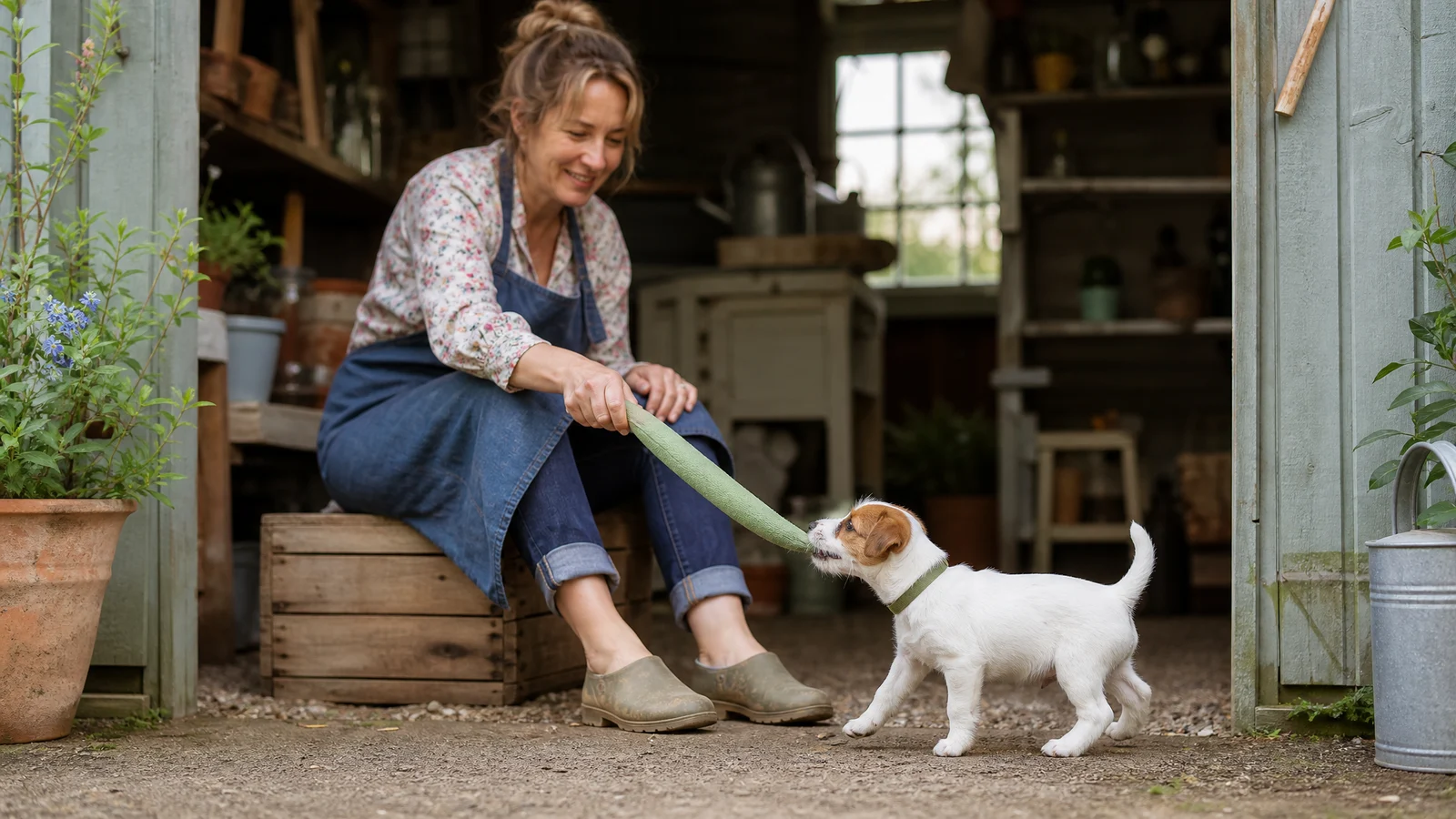 Puppy trainingTeaching Bite Control to a Jack Russell Terrier Puppy
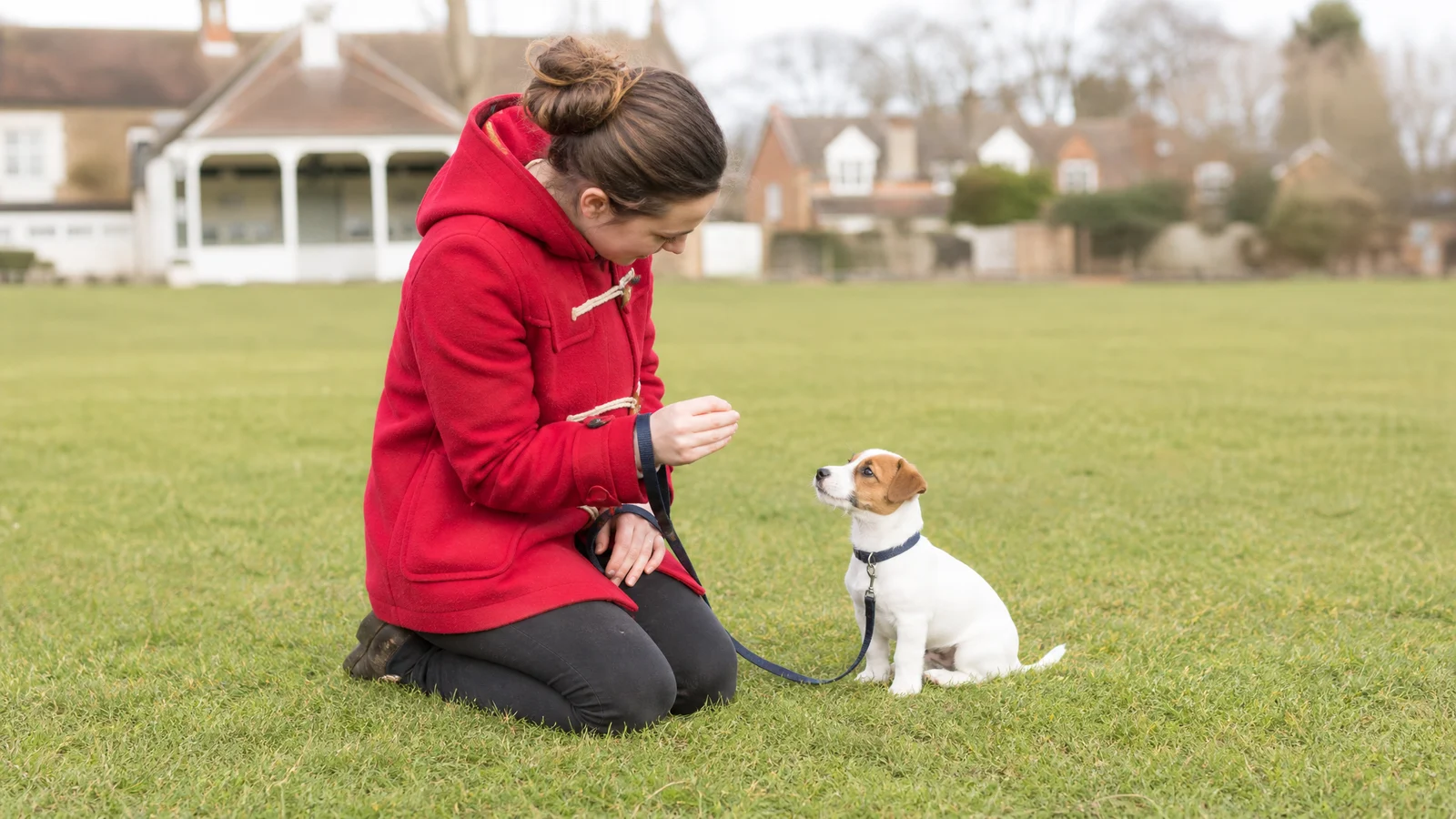 Puppy trainingYour 4 Month Old Jack Russell Terrier Starts Testing Every Rule
 Training basicsIs Your Jack Russell Terrier Stubborn or Just Too Clever?